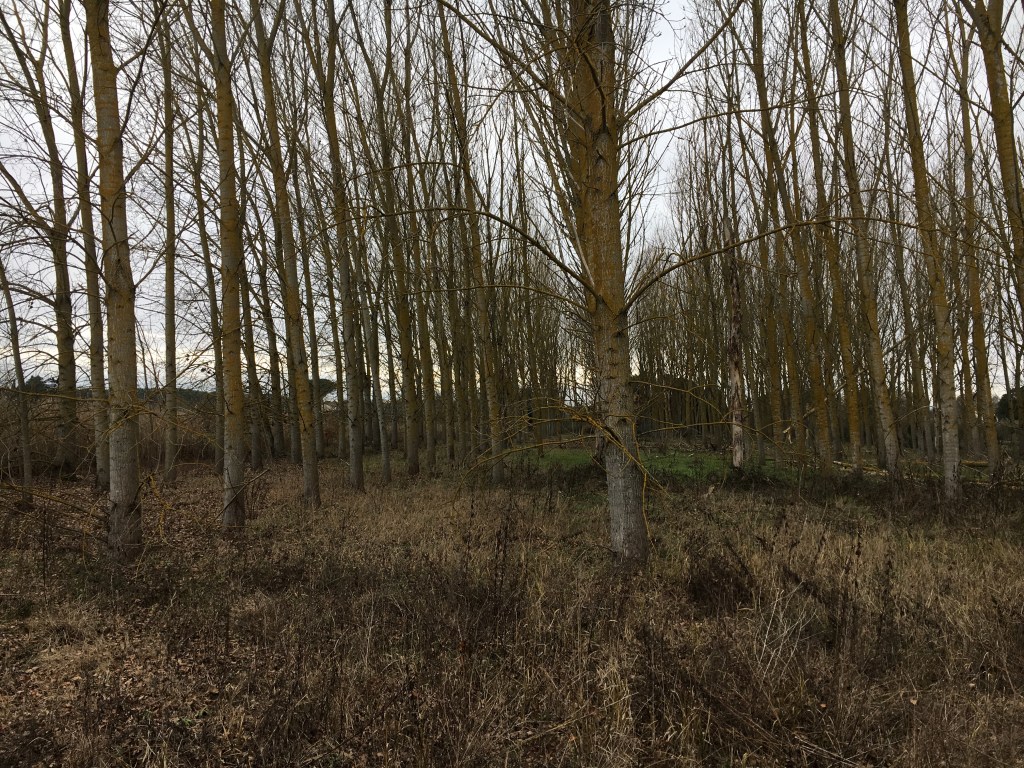
IL LEGNO E LA SUA LAVORAZIONE MANUALE. LA TRASFORMAZIONE DEL LEGNO: DALL’ ALBERO AL LEGNAME / WOOD AND WOODWORKING BY HAND. TRANSFORMATION OF WOOD: FROM TREES TO WOOD
English translation at the end of the article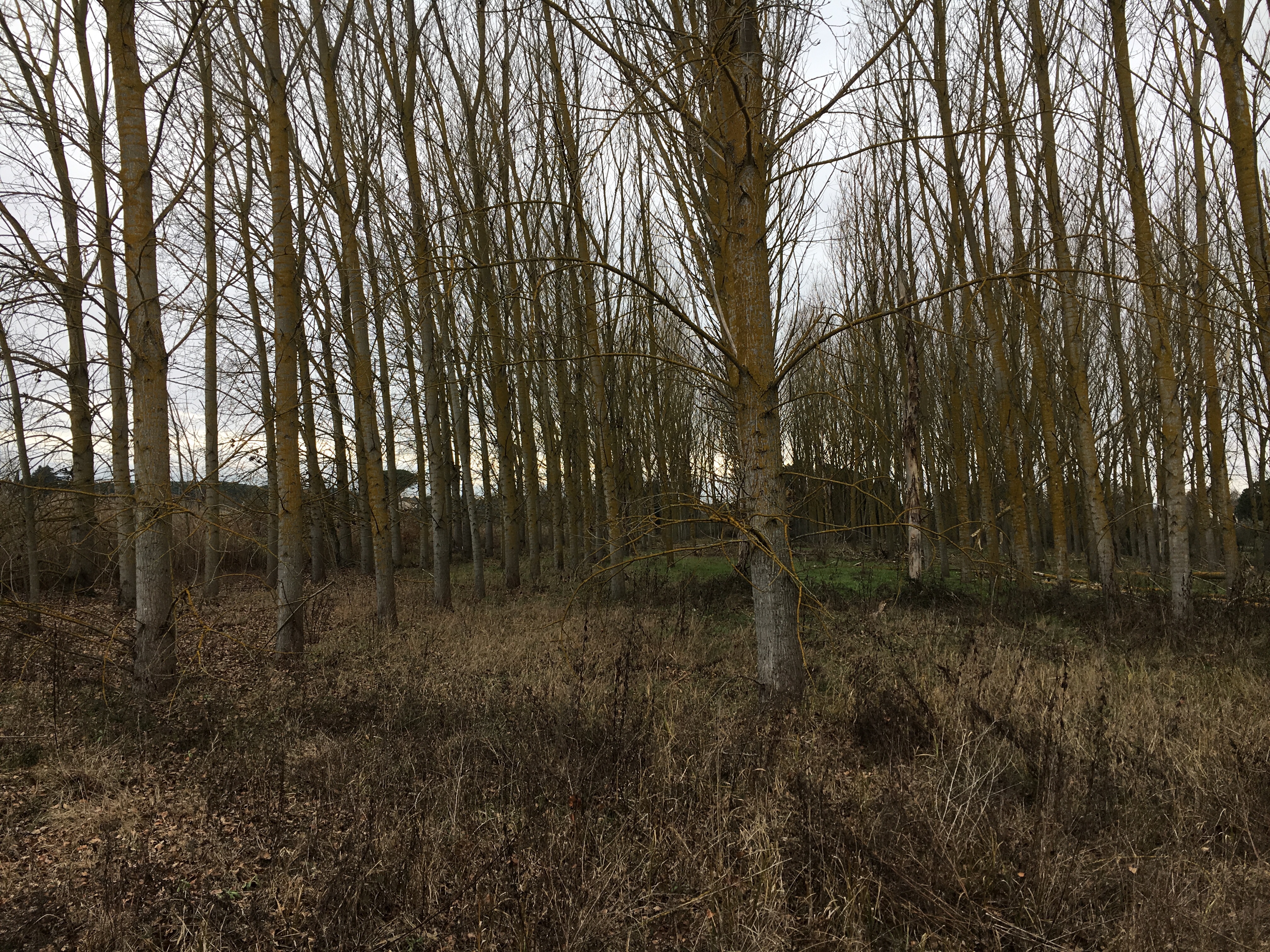
Abbiamo parlato del legno riferendoci principalmente all’albero in vita considerandone le malformazioni, le patologie e le sue proprietà intrinseche. L’intervento dell’uomo in questa fase è relativo e trascurabile non volendo consapevolmente prendere in considerazione in questa sede tutta la problematica
relativa alla salvaguardia ambientale che oggi è assurta a vero e proprio Diritto all’Ambiente dando vita ad una specifica legislazione in materia. Il rapporto uomo natura meriterebbe un approfondimento che esula dalla materia oggetto di questo articolo. È sufficiente al momento aver posto l’accento sulla questione, che è quanto mai viva e pregnante.
A prescindere dalle problematiche ambientali, nelle fasi di abbattimento e di successiva segagione, stagionatura, essiccazione e conservazione, l’operato umano diviene determinante. La pianta cessa infatti di essere un organismo vivente autonomo per trasformarsi nella materia prima che noi tutti conosciamo. È in queste fasi che il legno subisce quelle trasformazioni che lo renderanno utilizzabile nei più svariati settori.
Fin dall’antichità il legno è stato utilizzato dall’uomo nella sua forma più semplice. Man mano che le civiltà si sono evolute, si sono sviluppati sistemi di lavorazione che lo hanno reso fruibile per le sempre nuove necessità. L’uomo primitivo usava il legno per scaldarsi e questa semplice azione ne fu di per sé l’ utilizzo primordiale. In seguito, con l’ausilio degli utensili manuali e la scoperta del ferro, l’uomo si è reso conto che il legno poteva essere modellato a proprio piacimento: nasce la professione del falegname che, in quei tempi, trovava direttamente nei boschi la materia prima necessaria. Oggigiorno, con l’introduzione delle macchine, la lavorazione del legno è diventata più semplice e veloce. La società moderna, richiedendo crescenti quantitativi di manufatti a prezzi sempre più concorrenziali, ha indotto grandi trasformazioni nei processi produttivi. Per soddisfare l’incremento della domanda si sono inseriti nei sistemi di produzione dei macchinari che sono divenuti via via sempre più veloci e sofisticati, recando innegabili benefici in termini di riduzione dei tempi di produzione, maggiori quantitativi e minor prezzo. Tutto bene quindi, ma forse no. In effetti si può essere d’accordo o meno su dove l’economia mondiale ci stia portando. E’ una questione di pensiero e di coscienza. I fatti ci dicono che una macchina può sostituire il lavoro di decine di persone e che per questo motivo la figura del falegname boscaiolo che esisteva un tempo stia di fatto progressivamente sparendo; che il lavoro stia diventando impersonale e che il rapporto uomo natura si stia lacerando. È questo il prezzo da pagare alla modernità ed alla evoluzione. Velocità, solitudine, perdita dei rapporti umani: con il falegname potevi parlare, con le macchine un po’ meno. La mia è una constatazione di come la lavorazione del legno sia cambiata, facendo spazio alle macchine, destinando alla sparizione il lavoro dell’artigiano, ed al contempo l’esposizione di un dato di fatto, una realtà oramai di dominio pubblico. Certo è che dispiace veder svanire pian piano l’esperienza del lavoro di centinaia di anni, un bagaglio culturale tramandato di padre in figlio nelle botteghe artigiane. Non solo scompare il falegname ma anche il fabbro, il calzolaio, l’arrotino e molti altri antichi mestieri. Ma questa è un’altra storia ed è giusto attenersi al tema oggetto di questo articolo.
Oggigiorno il legno conosce migliaia di utilizzi in svariati ambiti. In effetti se ci fermiamo ad osservare ciò che ci circonda difficilmente non riusciremmo a scorgere la sua presenza negli ambienti dove viviamo e nelle azioni che intraprendiamo quotidianamente. Proprio per le sue caratteristiche di versatilità e lavorabilità il legno è sempre stato, e sarà anche in futuro, secondo chi scrive, la materia prima per eccellenza. Per comprendere come un albero possa diventare ciò che noi tutti vediamo impiegato in molteplici settori risulta utile approfondire il processo di trasformazione che esso subisce dall’abbattimento alla conservazione. Tale procedimento è il frutto dell’evoluzione dell’uomo, dello sviluppo della scienza e della tecnica che, innovando nei processi produttivi, ne ha ampliato e diversificato lo sfruttamento. La sfida che ci attende è quella di non travalicare i confini che la natura ci impone. La salvaguardia dell’ambiente, a partire dai danni provocati dal disboscamento selvaggio, è un problema serio e attuale che investe ognuno di noi.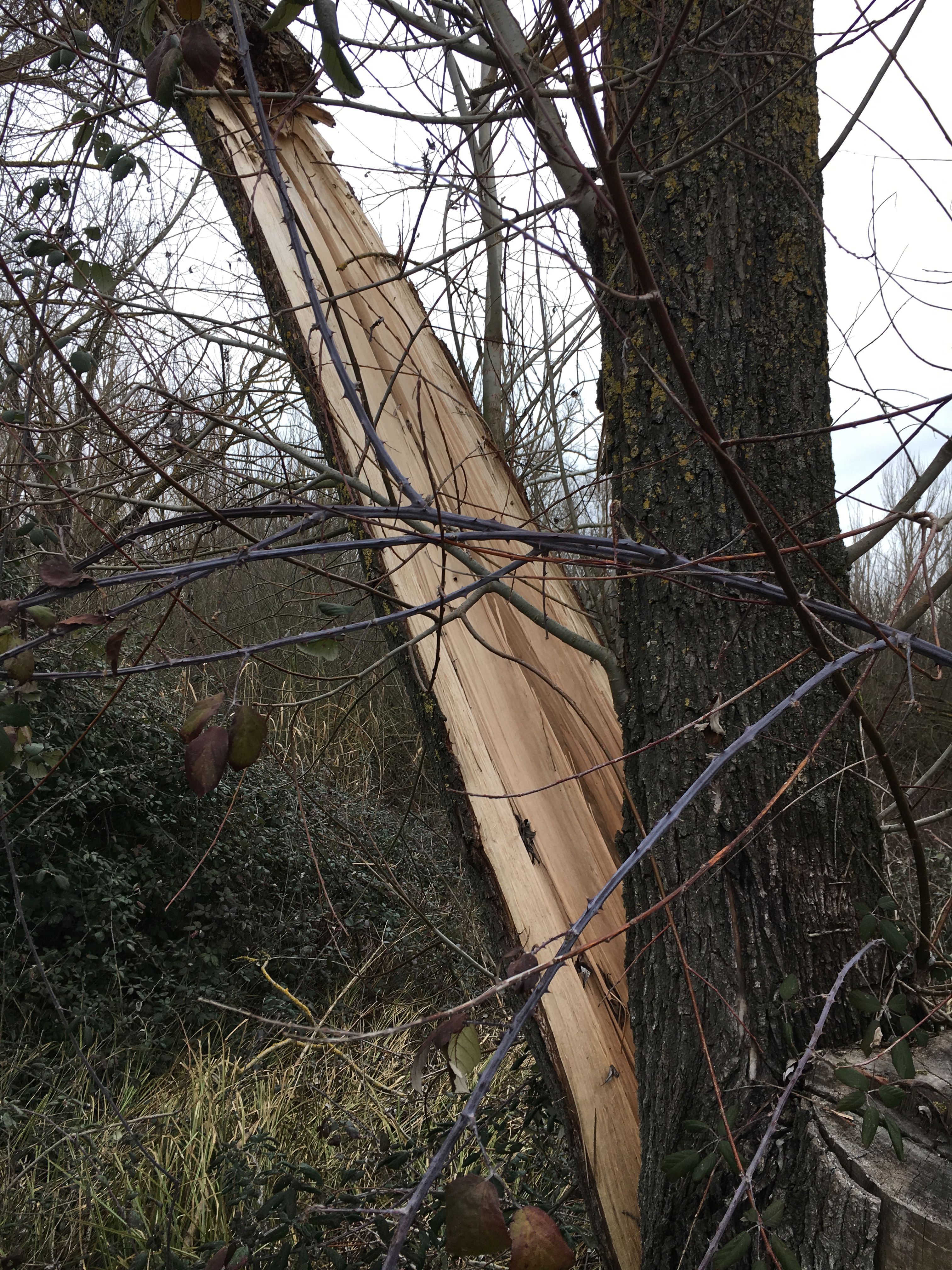
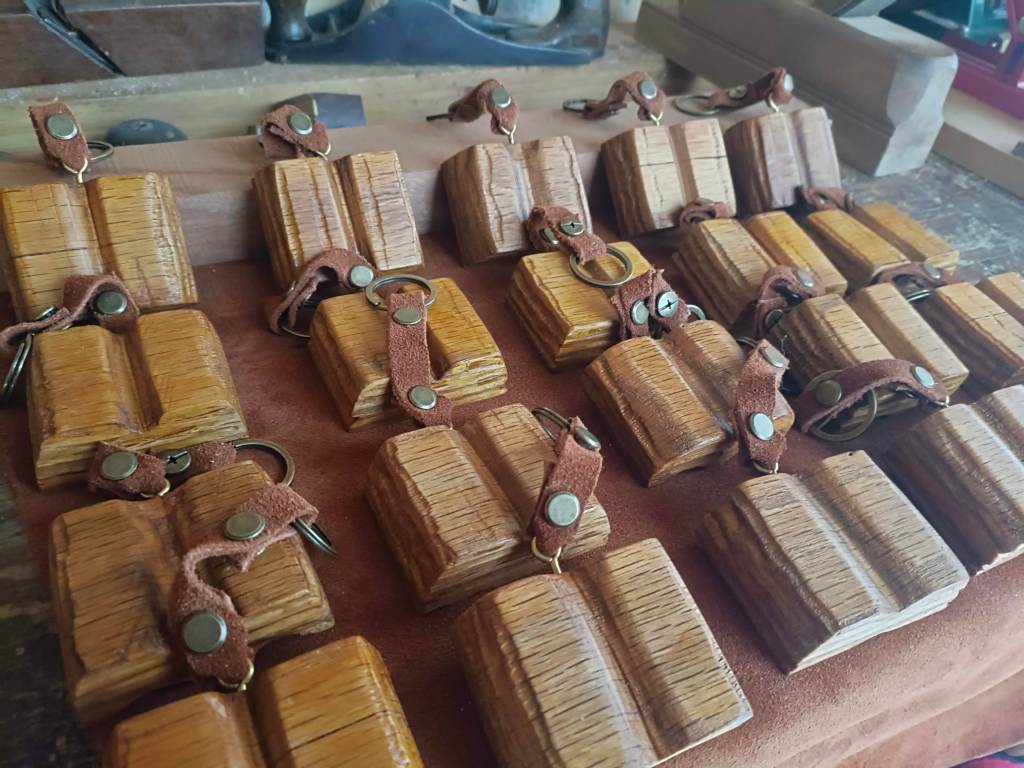
UN SEGRETO IN ROVERE VI ASPETTA AL SALONE DEL LIBRO DI TORINO
Solo 20 copie speciali dei miei libri avranno questo gadget unico numerato
Abbattimento, sramatura e trasporto alla segheria
Per raggiungere dimensioni sfruttabili commercialmente gli alberi impiegano molti anni, alcune specie addirittura secoli. La fase di abbattimento, in particolare per taluni tipi di alberi come l’Abete, dura invece pochi minuti. Le conifere che producono legni dolci hanno una crescita relativamente rapida ed attraverso la silvicoltura è possibile regolarne la quantità secondo la domanda del mercato. In questo caso le specie possono essere selezionate dall’uomo ed è quindi relativamente semplice riconoscerne la tipologia. Per contro i legni duri hanno una crescita lenta ed oltretutto talune specie stanno diventando rare a causa della deforestazione. L’identificazione e marcatura di quest’ultime è più complessa e costosa oltre a richiedere più tempo, dovendo necessariamente impiegare una maggiore manodopera. Il periodo migliore per l’abbattimento della pianta è l’inverno perché l’attività vitale dell’albero è praticamente inesistente. Le sostanze nutritive circolano poco all’interno della pianta ed il taglio effettuato in questo periodo dell’anno aiuta a prevenire le future alterazioni del legno.
Altra ragione per la quale è consigliabile l’abbattimento d’inverno è che la successiva opera di stagionatura risulta facilitata se effettuata durante questo periodo dell’anno. La fase di abbattimento vera e propria avviene nel bosco ad opera di boscaioli che provvedono ad abbattere, cimare (ovvero privare l’albero dei rami) e talvolta scortecciare la pianta direttamente sul posto. L’operazione di privazione dei rami è detta anche sramatura e può essere effettuata prima o dopo l’abbattimento. L’abbattimento richiede tecniche particolari che differiscono a seconda del terreno e della tipologia di pianta. La scortecciatura a sua volta può essere effettuata sul posto o direttamente in segheria. I tronchi appena abbattuti contengono un’alta percentuale di acqua, la maggior parte della quale viene perduta naturalmente. Una parte invece viene eliminata successivamente attraverso procedimenti artificiali di essiccazione. Talvolta i tronchi degli alberi di buona qualità vengono lasciati sul terreno dove sono stati tagliati permettendo, in condizioni di clima umido, ventilato ed all’ombra, una prima lenta essiccazione naturale. Questa tecnica è utile al fine di prevenire spaccature e fessurazioni nei punti dove l’umidità verrebbe perduta troppo rapidamente. Le vecchie tecniche di abbattimento prevedevano l’utilizzo di attrezzature manuali come la sega a doppia impugnatura manovrata da due persone. I tronchi venivano dapprima recisi con la scure con due tagli leggermente inclinati, distanziati in altezza e praticati dalle due parti diametralmente opposte del tronco. Il taglio superiore era detto di abbattimento, il taglio inferiore di direzione. Era opportuno prestare la massima attenzione nel taglio anche per la direzione nella quale far cadere l’albero. Successivamente i tronchi venivano segati e sfrondati dai rami. Oggigiorno, con l’introduzione delle attrezzature meccaniche, il taglio e la potatura avvengono mediante l’utilizzo di potenti seghe elettriche o con l’ausilio di macchinari che possono effettuare queste operazioni contemporaneamente. Spesso il taglio degli alberi era reso impraticabile dall’inaccessibilità di taluni luoghi. Con l’aiuto dei bulldozer è stato possibile spianare strade per il passaggio di autocarri che trasportavano torri telescopiche alte più di 30 metri ed equipaggiate con cavi in grado di spostare i tronchi per lunghe distanze. Il trasporto dei tronchi alla segheria può essere fatto per via acqua, via terra o via aria. Il mezzo di trasporto più antico e più economico era e rimane il corso d’acqua. In talune zone del mondo esso è rimasto ancora l’unico possibile. Il trasporto fluviale viene effettuato legando assieme i tronchi e trattenendoli con dei pali così da formare delle zattere che possono venire facilmente trainate da piccoli rimorchiatori fino alla segheria. Il pregio del trasporto fluviale, oltre alla sua economicità, consiste nell’ottenere una preventiva naturale lavatura del tronco, utile per la successiva fase di stagionatura. Il trasporto dei tronchi dal bosco alla segheria può avvenire anche per via terra, per rotolamento, tramite ferrovia, carri e altri mezzi meccanizzati. Gli autocarri possono portare decine di tronchi per volta e sopportare pesi notevoli, nell’ordine di centinaia di tonnellate. Nelle zone montane infine si possono utilizzare teleferiche e scivoli. Per via aerea, oltre alle suddette teleferiche, si possono utilizzare anche sistemi di funi, elicotteri o la caduta dall’alto. Come è facile intuire le spese di trasporto incidono in modo considerevole nell’economia di una azienda di legname.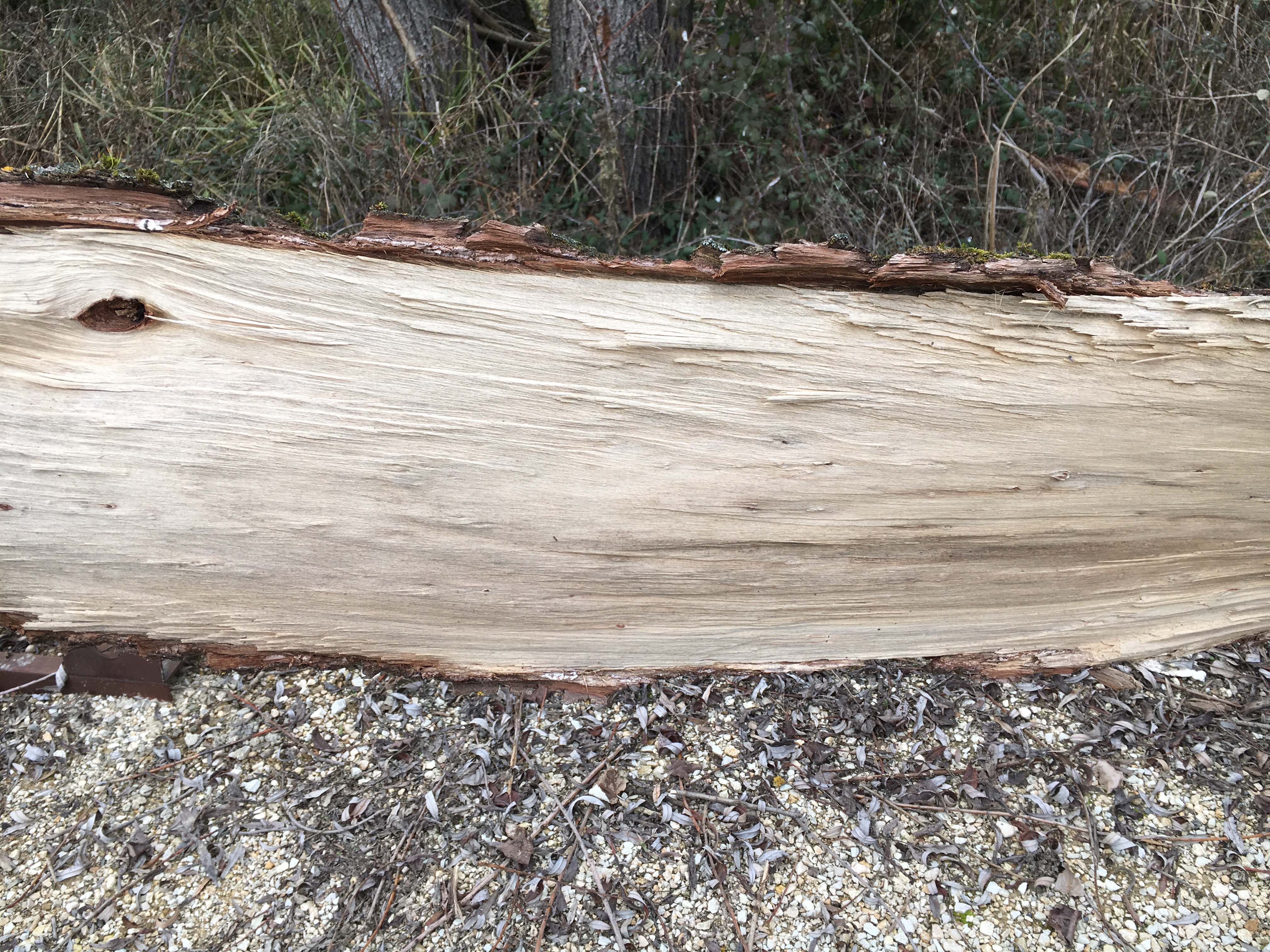
Scortecciatura, lavatura e tranciatura
Una volta avvenuto l’abbattimento dei tronchi questi vengono trasportati alla segheria. È in questo luogo che vengono sottoposti all’operazione di scortecciatura, di lavatura e tranciatura (c.d. taglio o segagione). La prima operazione che viene effettuata nella segheria è quella della scortecciatura. Questa trattamento può avvenire immettendo i tronchi dentro ad un enorme tamburo cilindrico e poi bombardandoli con potenti getti d’acqua. Un altro metodo è quello di inserirli dentro a dei rulli chiodati che provvedono a strappare via la corteccia. Se i tronchi sono stati trasportati via fiume, il legname avrà subito una prima grossolana lavatura oltre ad una parziale scortecciatura dovuta all’azione dell’acqua. Il procedimento della lavatura o lisciviatura è utile ad eliminare tutte le sostanze linfatiche che possono far imputridire il legno e quindi renderlo più facilmente attaccabile dai parassiti. I tre sistemi principali di lavatura sono: a mezzo di acqua fredda, a mezzo di acqua calda, a mezzo di vapore acqueo. L’efficacia di lavaggio dell’acqua fredda è minima se confrontata con quella dell’acqua calda e del vapore acqueo. Infatti l’acqua calda riesce a dilatare maggiormente i pori ed a pulire meglio e più velocemente le fibre del legno. Con circa 3 giorni di immersione in vasche riscaldate da serpentine a vapore si ottengono già buoni risultati. Il metodo del lavaggio con il vapore acqueo viene effettuato in apposite stanze dove il legno viene accatastato e trattato con vapore a bassa pressione. Il lavaggio dura svariati giorni fino a quando l’acqua, che viene restituita dagli scarichi, dall’originario colore scuro dovuto alle sostanze linfatiche espulse non diviene perfettamente limpida. Questo moderno metodo di lisciviatura è inoltre in grado di uccidere eventuali parassiti e le loro uova presenti nel legno fresco unendo così all’efficacia del risultato finale una maggiore rapidità di essiccazione. Talune essenze, come ad esempio il Ciliegio ed il Faggio, traggono un particolare beneficio da questo sistema di lavatura assumendo una colorazione più intensa. Dopo la fase della lavatura, comunque essa sia avvenuta, i tronchi vengono analizzati da apposite apparecchiature elettroniche che, sulla base delle caratteristiche geometriche riscontrate nel tronco, ne calcolano la lunghezza di taglio più adatta. La tranciatura del tronco è di fondamentale importanza nel processo di trasformazione del legno. Il taglio viene effettuato con l’ausilio di potenti macchinari come seghe circolari o a nastro. A seconda del metodo utilizzato otteniamo legno di qualità diversa e quindi anche di diverso prezzo. Nella pratica i metodi principali di segagione sono solo due: quello tangenziale e quello radiale. Di questi due tipi di taglio esistono poi innumerevoli varianti la scelta della quale è dettata prioritariamente dalle esigenze di mercato. Il taglio tangenziale, come evidenziato dal nome stesso, viene effettuato tangenzialmente agli anelli di crescita, cioè parallelamente all’asse del tronco. Questo tipo di taglio è il più utilizzato in quanto ha una elevata resa in termini di numero di tavole ottenibili. Inoltre si producono tavole di lunghezza superiore, è più economico perché vi è pochissimo sciupio di legno ed è una lavorazione particolarmente rapida. Per contro le tavole che si ottengono sono di bassa qualità in quanto soggette ad un notevole grado di imbarcamento dovuto al fatto che, tagliate tangenzialmente agli anelli di crescita, sono formate da legno che nell’albero aveva raggiunto un differente grado di maturità. Più precisamente questo fenomeno è dovuto alla concomitante presenza nella stessa tavola del durame (legno vecchio e più interno dell’albero e quindi meno soggetto a contrazioni, perché con meno contenuto di acqua) e dell’alburno (legno più giovane, esterno e con più presenza di acqua). L’imbarcamento avverrà verso l’esterno, quindi in direzione opposta al midollo e sarà più accentuato nelle tavole ricavate dal centro del tronco a causa della maggiore essiccazione che si produce sulla zona esterna. Il fenomeno è meno rilevante nelle tavole ricavate dal legno più vicino alla corteccia. Questi movimenti sono quindi dovuti principalmente al continuo rilascio di umidità nell’aria circostante da parte del legno ed alla naturale tendenza delle fibre, ovvero degli anelli, a ritornare alla loro forma originaria. Il sistema del taglio tangenziale è conosciuto anche sotto altri nomi: a taglio parallelo (plainsawn), a fibre piane o a taglio fendente. Se il taglio crea con l’anello un angolo inferiore a 30 gradi (negli USA) o 45 gradi (in Europa), si produce il caratteristico disegno fiammato. Quest’ultimo è particolarmente ricercato per la sua singolare bellezza ricordando la sua forma quella di una fiamma. Il motivo fiammato ha anche un’utilità pratica in fase di lavorazione in quanto funge da guida per la successiva piallatura manuale. Difatti seguendo il disegno e piallando in direzione della punta della fiamma il falegname avrà la certezza di piallare nella giusta direzione e senza strappi. Nel gergo la figura è conosciuta anche come “cattedrale”. Il taglio radiale, come spiega il nome stesso, avviene in senso radiale agli anelli di crescita, cioè in modo obliquo rispetto all’asse del tronco. Questo particolare tipo di taglio si ottiene dapprima segando il tronco in quattro sezioni e quindi, immaginando di osservare un tronco dall’alto, si vedrà un taglio a forma di croce. Ottenuti i quattro pezzi questi vengono nuovamente segati tramite tagli radiali, parallelamente ai raggi midollari. Questa tipologia di taglio produce legname di maggiore stabilità e poco soggetto a deformazione a differenza delle tavole ottenute con il sistema del taglio tangenziale. Le tavole così ottenute saranno di minor grandezza e la quantità di legno sprecata maggiore a causa della necessità di rifilare entrambe le coste della tavola. La maggiore perizia richiesta e la minor resa lo rendono di fatto un legname più costoso. Per la maggiore garanzia di stabilità il legno così prodotto può essere utilizzato con fiducia per la costruzione di manufatti di particolare pregio.
Il sistema del taglio radiale è conosciuto anche con altri nomi: a quadranti, a pettine, a fibre di taglio e a fibre verticali. Le tavole segate radialmente si dicono segate di quarto (quartersawn) o a quadranti e l’angolo che si ottiene dall’incontro dell’anello con il taglio può essere superiore a 60 gradi (negli USA) o a 45 gradi (in Europa). Talvolta quest’ultimo tipo di taglio radiale è identificato come categoria a sé stante. Le svariate combinazioni di cui sopra hanno dato luogo a molteplici tipologie di segagione. Solo per citarne alcune esiste la segagione radiale (o a maglia con mezzoni) che prevede il taglio preventivo dei due mezzoni centrali del tronco, quella a spessori misti, quella in quarto con mezzoni ed in quarto con direzione alternativa o a ventaglio. Se il tronco presenta delle spaccature si può adottare il sistema della segagione mista che cercherà di segare il tronco in modo tale da ricavarne il miglior legname possibile. Non è sempre semplice per il falegname riuscire a capire il sistema di tranciatura che è stato adottato. Spesso nelle segherie non lasciano il tempo di controllare le tavole e quindi l’artigiano deve essere particolarmente abile nel non affidarsi completamente alle informazioni fornite dal personale addetto ma osservare lui stesso la tavola, traguardarla, verificare con il tatto eventuali malformazioni ecc. Per capire se è di fronte ad una tavola tagliata radialmente e quindi di buona qualità il falegname usa tanti piccoli accorgimenti molti dei quali dettati dall’esperienza. Uno di questi consiste nell’osservare il legno di testa, in particolare l’andamento delle fibre. Queste dovrebbero presentare gli anelli di crescita ad angoli di circa 90 gradi rispetto alla superficie. Il taglio radiale della tavola mostrerà quindi una venatura molto fitta (detta a rigatino), ben dritta e a fibre parallele a differenza del taglio tangenziale che presenterà il classico andamento obliquo. La venatura dritta è sinonimo di ottima lavorabilità mentre la venatura obliqua darà sicuramente maggiori problemi.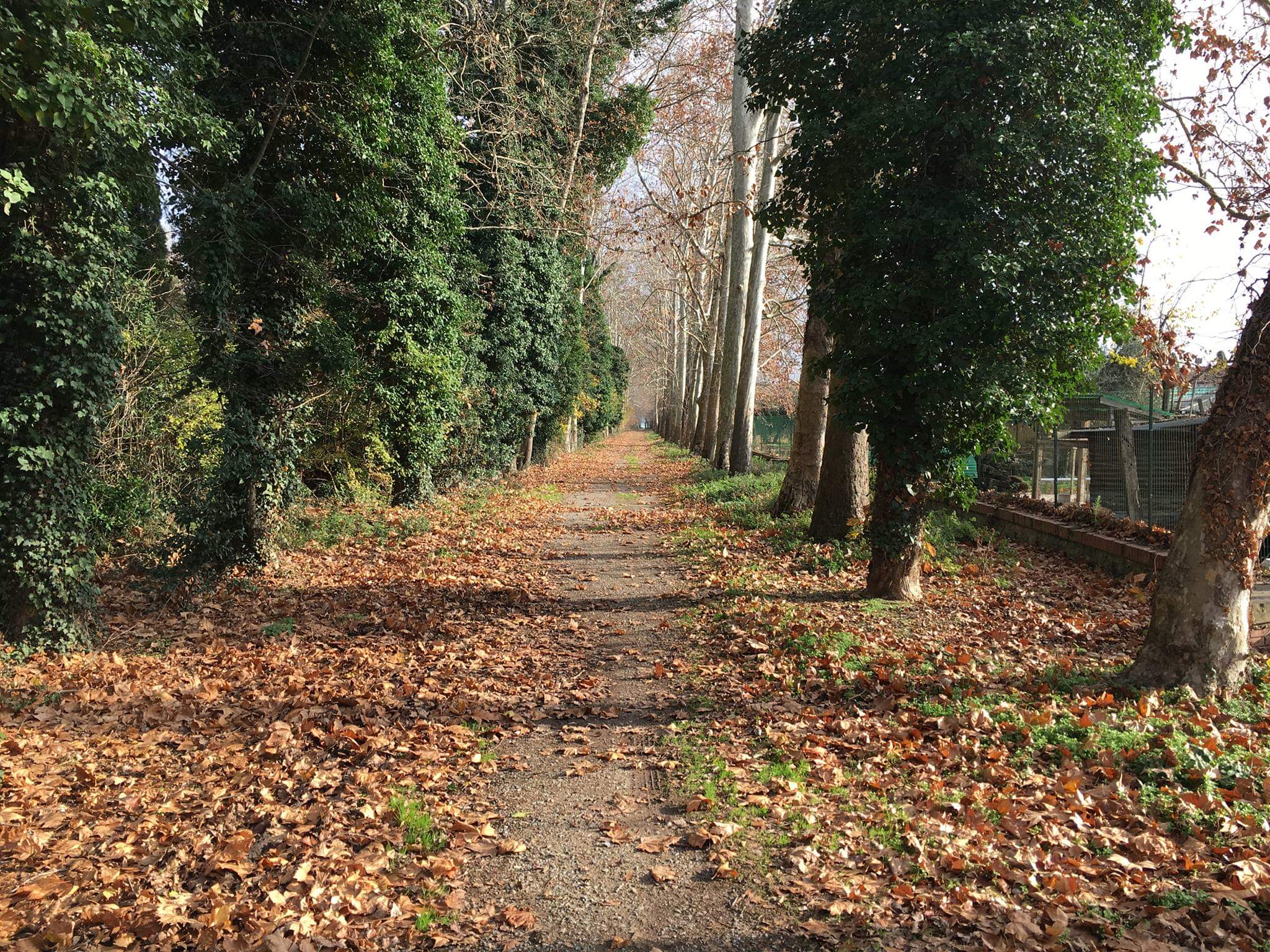
Stagionatura ed essiccazione
È bene liberare subito il campo da eventuali incertezze terminologiche. La stagionatura e l’essiccazione non sono la stessa cosa. Per stagionatura si intende un processo naturale di maturazione del legno all’aria aperta senza l’ausilio di macchinari. Talvolta la stagionatura è denominata essiccazione naturale. L’essiccazione invece è una maturazione artificiale del legno prodotta con l’ausilio di appositi macchinari. Essa viene comunemente denominata essiccazione artificiale. Spesso nel linguaggio corrente quando si parla di stagionatura ci si riferisce sia a quella naturale che a quella artificiale generando quindi un po’ di confusione. Detto questo approfondiamo la conoscenza di questi due metodi di stagionatura del legno, fondamentali per l’ottenimento di un prodotto di qualità.
Lo scopo della stagionatura è quello di far perdere il contenuto di acqua al legno fresco così da farlo avvicinare al contenuto di umidità presente nell’ambiente circostante. Senza questo fondamentale processo il legno sarebbe impossibile da lavorare perché soggetto a continua instabilità. L’essiccazione naturale è quella più antica in quanto ottenuta senza ricorrere all’utilizzo di macchinari. Come per l’abbattimento anche la stagionatura naturale è preferibile sia fatta in inverno quando il clima freddo ed umido impediscono una rapida essiccazione del legno. La stagionatura naturale ha inizio formando dapprima delle cataste con il legno precedentemente segato. Tali cataste possono assumere forme diversificate come quella del tronco ridotto in tavole, in panconi, a disposizione triangolare, quadrata e via discorrendo. Qualunque sia la disposizione utilizzata ci sono regole che vanno sempre assolutamente rispettate. Il tavolame incrociato dovrà avere una distanza tra tavola e tavola variabile tra 1,5 cm e 3 cm. a seconda rispettivamente del minore o maggiore spessore delle tavole da stagionare. Le tavole devono essere inframezzate da dei distanziatori ricavati preferibilmente dalla stessa essenza da stagionare oppure di legno neutro come Pioppo o Abete. Molto utilizzati sono anche i distanziatori in plastica anche se sono preferibili quelli in metallo per la loro indeformabilità. La distanza deve essere tale da favorire in maniera uniforme il ricircolo dell’aria e la perdita di umidità in modo da garantire un ritiro omogeneo di tutta la tavola. Inoltre sarebbe preferibile preparare la catasta su un terreno drenante e con assenza di erba che sarebbero di ostacolo al deflusso dell’umidità. La base della catasta può poggiare su traverse di cemento o di acciaio. I listelli distanziatori devono essere posti tra loro ad una distanza variabile tra i 60 cm. e gli 80 cm. e comunque non troppo distanti per non far imbarcare o deformare le tavole. A seconda delle essenze da stagionare le tavole possono essere trattate sul legno di testa con delle sostanze cerose ma anche con vernice o colla vinilica in modo tale da prevenire la formazione di fenditure e macchie da funghi causate dalla repentina perdita di umidità molto frequente in questa parte della tavola. La cima della catasta dovrà essere coperta con un piano, preferibilmente inclinato, per favorire il defluire dell’acqua. A volte le cataste di legno vengono racchiuse in teli di rete di plastica che, oltre a proteggerle dalla pioggia, ne rallentano la perdita di umidità che, come detto, sono causa di fessurazioni. Per contro tale rimedio può dar luogo alla formazione di macchie. In ogni caso le cataste, comunque esse siano state formate, dovranno essere poste in un luogo riparato dal sole diretto e dalla pioggia, meglio se ombreggiato e comunque arieggiato, ma senza forti correnti d’aria, anch’esse causa di fenditure. In passato la formazione della catasta avveniva seguendo regole dettate principalmente dall’esperienza acquisita e tramandata di generazione in generazione. Le tavole migliori venivano sempre poste al centro della catasta; le tavole inarcate poste faccia a faccia rispetto alla curvatura in modo che il peso del legno le comprimesse riportandole in piano; le tavole deformate poste con la parte concava verso il basso per favorire il deflusso di eventuali infiltrazioni di acqua piovana. Inoltre le tavole di qualità inferiore venivano sempre inserite alla base o in cima alla catasta.
La conoscenza di questi accorgimenti risultava molto utile in fase di scelta delle tavole presso quelle segherie che adottavano ancora i vecchi sistemi di stagionatura. Oggigiorno la fase di preparazione della catasta è perlopiù affidata a macchinari che effettuano specificamente questo tipo di stoccaggio. Il processo di stagionatura naturale, come detto, è il più antico ed anche il più economico ma anche quello più lento e varia molto a seconda dell’essenza trattata, dello spessore della tavola, dall’ ambiente dove viene stagionato, dalle condizioni climatiche ecc. È difficile stabilire con precisione la durata di una stagionatura naturale. È stato calcolato che occorra mediamente circa un anno per ogni 2,5 cm. di spessore per i legni duri e circa la metà del tempo per i legni teneri. Per i legni teneri siamo comunque nell’ordine di mesi, per i legni duri di anni. In ogni caso la stagionatura naturale fa perdere acqua per evaporazione fino a raggiungere il cosiddetto punto di “saturazione della fibra” che corrisponde al 30% di acqua in quasi tutti i legni. Da questo punto in poi il legno continuerà ad asciugarsi ma sempre più lentamente fino a raggiungere il cosiddetto punto di “essiccazione naturale” che corrisponde ad un umidità pressoché in equilibrio con quella presente nell’ambiente. In generale questo sistema di stagionatura permette di ridurre fino al 16% circa di umidità, quindi di ottenere legno utilizzabile soprattutto per uso esterno. Per ottenere legname per uso interno occorrerà abbassare ancora l’umidità continuando la stagionatura con il metodo dell’essiccazione artificiale oppure lasciarlo ancora ad asciugare naturalmente nell’ambiente in cui è utilizzato. L’essiccazione artificiale è fondamentale per ottenere legname con bassi contenuti di umidità, così da poterlo impiegare per manufatti destinati agli interni delle abitazioni. Il grado medio di umidità che dovrebbe essere presente in un legno da impiegarsi in ambienti interni dovrebbe oscillare tra l’8% e il 10% ed anche meno a seconda delle condizioni ambientali in cui si trova il manufatto. È importante quindi sapere in anticipo in quale ambiente il legno sarà utilizzato così da stabilire preventivamente il grado di umidità desiderato che non dovrà quindi essere molto dissimile da quello dell’ambiente dove verrà collocato. È buona norma comunque che il manufatto presenti un grado di umidità leggermente superiore all’ambiente circostante. Una differenza nell’ordine del 2% è comunque accettabile. L’essiccazione artificiale, come è facile intuire, viene fatta con metodologie artificiali che si differenziano oltre che per il metodo adottato anche per il risultato ottenuto. Quando il legno è arrivato al livello di stagionatura naturale viene introdotto, nella forma appena vista delle cataste, in apposite camere dette forni o essiccatoi. In questi forni viene immessa una particolare miscela di aria calda e vapore opportunamente controllata che induce la riduzione dell’umidità del legno fino al grado desiderato. L’azione del vapore ed il suo dosaggio sono fondamentali per evitare che il legno, causa l’azione dell’aria calda immessa, perda troppo velocemente la sua umidità generando fenditure e spaccature. Il funzionamento di una camera di essiccazione può variare a seconda della tecnologia adottata ma alcuni elementi sono necessariamente sempre gli stessi: l’immissione di aria calda e del vapore acqueo, la ventilazione forzata, le serpentine per scaldare ed una vasca refrigerante. Con questa tecnologia si genera un’essiccazione a ciclo continuo. L’intero processo, a differenza della stagionatura naturale, ha il grande pregio di durare da pochi giorni a qualche settimana dipendendo in larga parte dalla qualità del legno trattato, dallo spessore delle tavole, dal modo in cui il legno è stato tranciato e dal grado di umidità desiderato. Si riescono quindi a raggiungere bassi gradi di umidità in tempi relativamente brevi sempre se confrontati con quelli necessari per la stagionatura naturale. Molto spesso l’essiccazione (o stagionatura) artificiale si aggiunge e perfeziona la fase di stagionatura naturale anche se è il caso di sottolineare che quest’ultima oggigiorno viene sempre meno utilizzata. In effetti il legno, una volta abbattuto e quindi ancora fresco, contiene una percentuale variabile di umidità che si aggira attorno al 60%. In un paio di mesi, a seconda delle condizioni climatiche, può arrivare già al 40% ed anche meno. Da questo momento in poi risulta poco conveniente in termini di tempo continuare con la stagionatura naturale. È allora che è opportuno introdurlo nei forni per accelerarne l’essiccazione. Il costo dell’operazione di essiccazione dipende molto dalla qualità e quantità del legno da trattare oltre che dal grado di umidità che si vuole raggiungere. In generale si può dire che il costo della stagionatura artificiale incide in misura maggiore sul prezzo finale del legname rispetto a quello della stagionatura naturale. Durante i processi di essiccazione naturale ed artificiale il legno subisce ovviamente dei movimenti e dei ritiri che possono variare in larghezza ed in lunghezza le dimensioni della tavola. Vedremo nel prossimo capitolo nello specifico il comportamento del legno ed i suoi movimenti nella fase di essiccazione.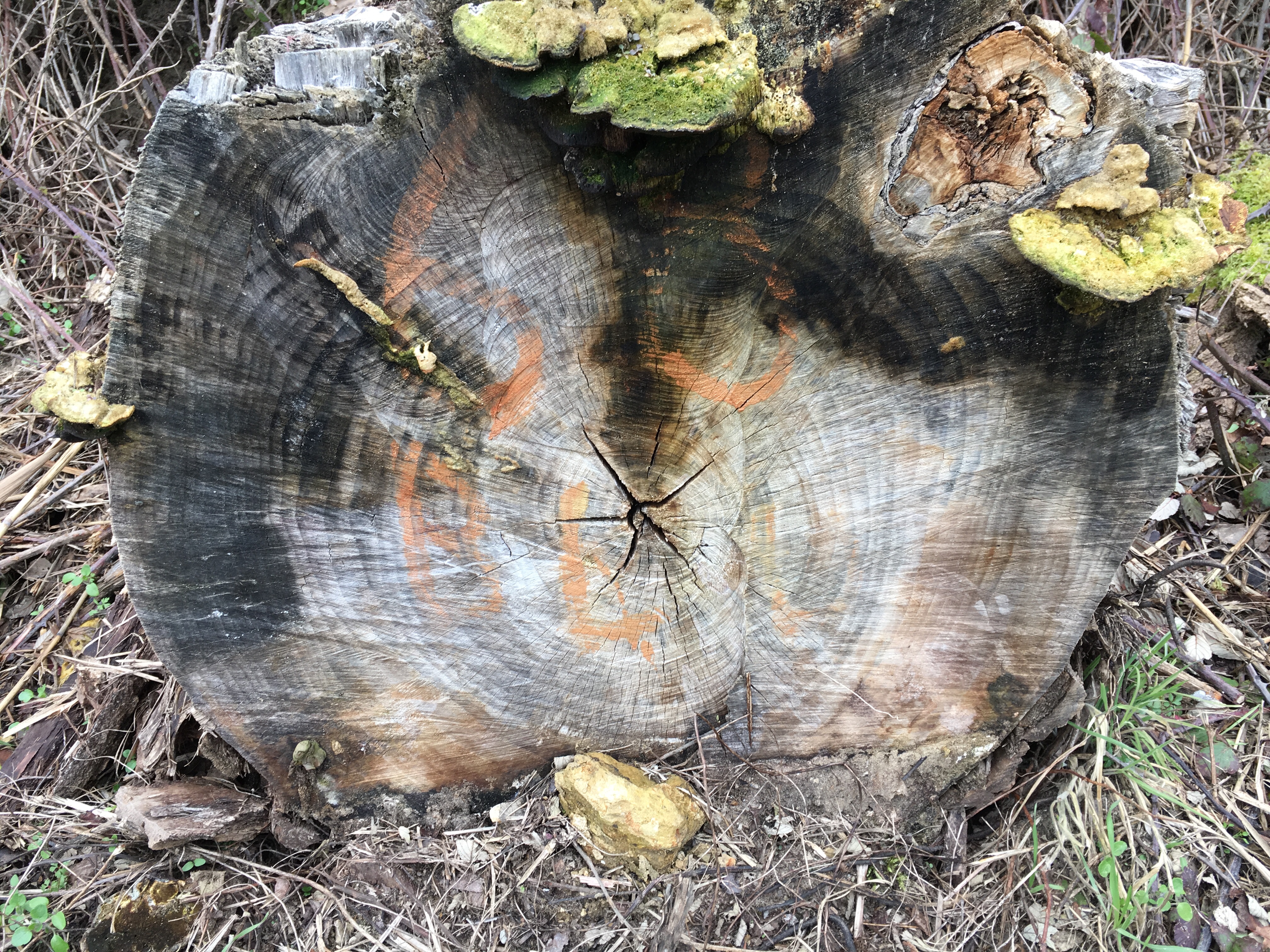
Conservazione del legname
Abbiamo già accennato ad un primo intervento che viene effettuato sul legname parlando della formazione della catasta. Sul legno di testa vengono apposte delle sostanze cerose, o vernice o colla vinilica per ovviare al problema della repentina perdita di umidità a cui è soggetta questa parte della tavola. È questa una prima azione a carattere generale a cui viene sottoposto il legname in fase di stagionatura. A seconda dell’impiego a cui è destinato si rendono necessari ulteriori interventi atti ad aumentarne la tenuta, l’impermeabilità e la resistenza ai parassiti. Nella carpenteria generale, per le traversine ferroviarie e per le impalcature il legno veniva trattato con sostanze chimiche come il creosoto, l’olio di catrame, il cloruro di zinco e il solfato di rame che, immessi nel legno per pressione, iniezione o bagni in soluzioni antisettiche, ne aumentavano la resistenza agli agenti atmosferici ed ai parassiti. Oggigiorno talune di queste sostanze, come il creosoto, sono state messe fuori legge perché ritenute cancerogene e le traversine delle ferrovie, prima trattate con tale sostanza, sono state sostituite con altre in cemento.
Il legno, una volta stagionato, viene stoccato in grandi magazzini dove è buona norma che l’umidità sia compresa tra i 14 ed i 18 gradi e con un’umidità non superiore al 30 – 35%. Per mantenere queste condizioni ideali i depositi di legname dovrebbero essere sempre freschi e ben arieggiati, riparati dal sole diretto e dalla pioggia.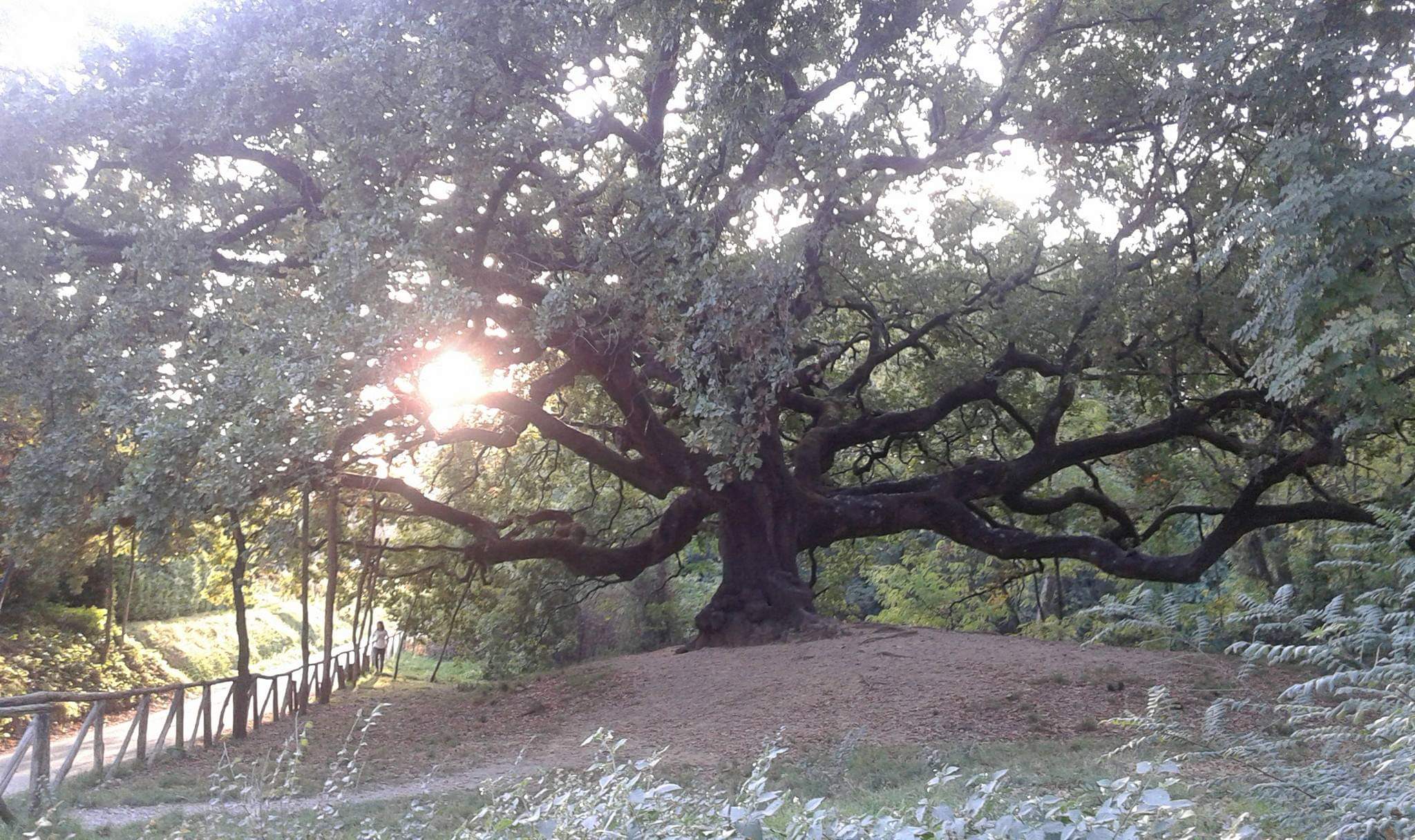
Quanto detto in questo capitolo ha effettivamente poco a che vedere con il lavoro del falegname in quanto sia che trattasi di processo naturale come la stagionatura sia che si tratti di processo artificiale come l’essiccazione essi si realizzano lontano dal luogo e dall’opera dell’artigiano. Indirettamente però il sapere dove è stato abbattuto l’albero, il tipo di taglio effettuato, il procedimento di stagionatura e la sua conservazione sono indicazioni che il falegname dovrebbe tenere in debita considerazione quando si trova a scegliere il tipo di legname da lavorare. La conoscenza di tali informazioni è un elemento imprescindibile dalla successiva lavorazione manuale. Conoscere il grado di umidità del legname è oggi relativamente semplice. La tecnologia ci viene in aiuto con strumentazioni sofisticate come gli igrometri digitali che rilevano all’istante la presenza dell’umidità nel legno. Un tempo però non era così semplice. Il falegname era costretto a ricorrere ad espedienti empirici particolarmente laboriosi. Così come oggi è possibile, con un calibro digitale, rilevare le più impercettibili imbarcature o svergolamenti, un tempo questo era possibile soltanto con le cosiddette winding sticks, listelli di legno duro che, posti sul piano della tavola a debita distanza l’uno dall’altro, permettevano di traguardarla scrutando eventuali squadrature ed asimmetrie. Questi e molti altri esempi che non è il caso di trattare in questa sede ci fanno comprendere che i fattori ambientali da sempre influiscono sul legno continuando ad interagire con esso anche a distanza di centinaia di anni dall’ultimazione del manufatto. Le cause dei perenni movimenti del legno saranno l’oggetto dell’approfondimento del prossimo articolo.
Di seguito i link ai precedenti articoli della serie
———————————————————————————————————————————-
We talked about wood, referring mainly to the living tree, considering its malformations, pathologies and its intrinsic properties. The intervention of man in this phase is relative and negligible not wanting to consciously take into account here all the problems relating to environmental protection that today has risen to a real Right to the Environment giving rise to a specific legislation on the subject. The relationship between man and nature deserves an in-depth examination that goes beyond the subject matter of this article. It is sufficient at the moment to have placed the accent on the question, which is very much alive and pregnant.
Regardless of the environmental problems, in the phases of felling and subsequent sawing, curing, drying and conservation, human work becomes decisive. The plant ceases to be an autonomous living organism and becomes the raw material we all know. It is in these phases that the wood undergoes those transformations that will make it usable in the most varied sectors.
Since ancient times, wood has been used by man in its simplest form. As civilizations have evolved, systems of processing have developed that have made it usable for ever new needs. The primitive man used wood to warm himself up and this simple action was in itself the primordial use. Later, with the help of hand tools and the discovery of iron, the man realized that the wood could be molded to his liking: the profession of carpenter was born that, in those times, found directly in the woods the necessary raw material. Nowadays, with the introduction of machines, woodworking has become simpler and faster. Modern society, requiring increasing quantities of manufactured goods at increasingly competitive prices, has led to major transformations in production processes. In order to satisfy the increase in demand, they have become part of the production systems of machinery that have gradually become faster and more sophisticated, bringing undeniable benefits in terms of reduced production times, greater quantities and lower prices. All well then, but perhaps not. In fact, we may or may not agree on where the world economy is taking us. It is a question of thought and conscience. The facts tell us that a machine can replace the work of dozens of people and that for this reason the figure of the woodworker who once existed is in fact gradually disappearing; that work is becoming impersonal and that the relationship man-nature is tearing apart. This is the price to pay for modernity and evolution. Speed, loneliness, loss of human relationships: with the woodworker you could talk, with the machines a little less. Mine is an observation of how woodworking has changed, making room for machines, making the work of the craftsman disappear, and at the same time the display of a fact, a reality now in the public domain. Of course, it’s a pity to see the experience of hundreds of years of work, a cultural baggage handed down from father to son in the craft shops, fade away. Not only the woodworker disappears, but also the blacksmith, the shoemaker, the grinder and many other ancient trades. But this is another story and it is right to stick to the subject matter of this article.
Nowadays, wood is used in thousands of different ways. In fact, if we stop to observe what surrounds us we would hardly be able to see its presence in the environments where we live and in the actions we take daily. Precisely because of its characteristics of versatility and workability, wood has always been, and will continue to be in the future, according to the writer, the raw material par excellence. To understand how a tree can become what we all see used in many areas, it is useful to delve into the process of transformation that it undergoes from felling to conservation. This process is the result of the evolution of man, the development of science and technology that, by innovating in production processes, has expanded and diversified its exploitation. The challenge that awaits us is not to cross the boundaries that nature imposes on us. The protection of the environment, starting from the damage caused by wild deforestation, is a serious and current problem that affects each of us.
Felling, limbing and transport to the sawmill
It takes many years to reach commercially exploitable dimensions of trees, some species even centuries. The felling phase, in particular for certain types of trees such as Spruce, lasts only a few minutes. Softwood conifers are growing relatively quickly, and through forestry it is possible to adjust their quantity according to market demand. In this case, the species can be selected by man and it is therefore relatively easy to recognize their type. On the other hand, hardwoods are growing slowly and some species are becoming rare due to deforestation. The identification and marking of the latter is more complex and costly, and takes longer, since it necessarily requires more labour. The best time to fowl the plant is in winter because the vital activity of the tree is practically non-existent. The nutrients circulate little inside the plant and the cut made at this time of year helps to prevent future alterations of the wood.
Another reason why it is advisable to felling in winter is that the subsequent seasoning process is facilitated if carried out during this time of year. The actual felling phase takes place in the forest by woodcutters who take care of felling, snooping (i.e. depriving the tree of branches) and sometimes debarking the plant directly on site. The operation of removing the branches is also called pruning and can be carried out before or after felling. Felling requires special techniques that differ depending on the soil and type of plant. Debarking can be carried out on site or directly in the sawmill. Freshly felled logs contain a high percentage of water, most of which is naturally lost. Part of it is then removed by artificial drying processes. Sometimes the trunks of good quality trees are left on the ground where they were cut, allowing, in conditions of humid climate, ventilated and in the shade, a first slow natural drying. This technique is useful in order to prevent cracks and fissures in places where moisture would be lost too quickly. The old felling techniques involved the use of manual equipment such as a double-handle saw operated by two people. The logs were first cut with the axe with two cuts slightly inclined, spaced in height and practiced by the two diametrically opposite parts of the trunk. The upper cut was called the felling cut, the lower cut was called the direction cut. It was opportune to pay the maximum attention in the cut also for the direction in which to make the tree fall. Subsequently, the trunks were sawn and cut off from the branches. Nowadays, with the introduction of mechanical equipment, cutting and pruning take place using powerful electric saws or with the help of machines that can perform these operations simultaneously. Often the cutting of trees was made impractical by the inaccessibility of certain places. With the help of bulldozers it was possible to level roads for the passage of trucks carrying telescopic towers more than 30 meters high and equipped with cables capable of moving the logs over long distances. The logs can be transported to the sawmill by water, land or air. The oldest and cheapest means of transport was and remains the waterway. In some parts of the world it is still the only one possible. The river transport is carried out by tying the logs together and holding them with poles so as to form rafts that can be easily pulled by small tugs to the sawmill. The advantage of river transport, in addition to its cost-effectiveness, is to obtain a preventive natural washing of the trunk, useful for the subsequent phase of seasoning. The transport of the logs from the forest to the sawmill can also take place by land, by rolling, by rail, wagons and other mechanized vehicles. Trucks can carry dozens of logs at a time and bear heavy weights, in the order of hundreds of tons. Finally, in mountain areas, cable cars and chutes can be used. By air, in addition to these cableways, you can also use systems of ropes, helicopters or falling from a height. As you can easily imagine, transport costs have a considerable impact on the economy of a timber company.
Debarking, washing and shearing
Once the logs have been felled, they are transported to the sawmill. It is here that they are debarked, washed and sliced (i.e. cut or sawed). The first operation carried out in the sawmill is debarking. This can be done by placing the logs into a huge cylindrical drum and then bombarding them with powerful jets of water. Another method is to insert the logs into studded rollers that tear away the bark. If the logs have been transported by river, the wood will have undergone a first coarse washing as well as a partial debarking due to the action of water. The process of washing or leaching is useful to eliminate all the lymphatic substances that can make the wood impure and thus make it more easily attacked by pests. The three main washing systems are: cold water, hot water and water vapour. The washing efficiency of cold water is minimal when compared to hot water and water vapour. In fact, hot water can dilate the pores more and clean the wood fibres better and faster. With about 3 days of immersion in tanks heated by steam coils, good results are already obtained. The method of washing with water vapour is carried out in special rooms where the wood is stacked and treated with low pressure steam. Washing lasts several days until the water, which is returned from the drains, from the original dark color due to the lymphatic substances expelled does not become perfectly clear. This modern method of leaching is also able to kill any parasites and their eggs present in fresh wood, thus combining the effectiveness of the final result with a faster drying time. Some essences, such as Cherry and Beech, benefit in particular from this washing system, taking on a more intense colour. After the washing phase, however it has taken place, the logs are analysed by special electronic equipment which, on the basis of the geometric characteristics found in the log, calculate the most suitable cutting length. The cutting of the trunk is of fundamental importance in the process of transforming the wood. Cutting is carried out with the help of powerful machines such as circular saws or band saws. Depending on the method used we obtain wood of different quality and therefore also of different price. In practice, there are only two main methods of sawing: tangential and radial. There are also countless variations of these two types of sawing, the choice of which is dictated primarily by market requirements. The tangential cut, as the name itself shows, is made tangentially to the growth rings, i.e. parallel to the axis of the trunk. This type of cut is the most widely used because it has a high yield in terms of the number of tables that can be obtained. It is also used to produce longer planks, it is more economical because there is very little waste of wood and it is a particularly fast processing. On the other hand, the boards obtained are of low quality because they are subject to a considerable degree of embarkation due to the fact that, cut tangentially to the growth rings, they are made of wood that in the tree had reached a different degree of maturity. More precisely, this phenomenon is due to the concomitant presence in the same table of the heartwood (old wood and more internal of the tree and therefore less subject to contractions, because with less water content) and of the sapwood (younger wood, external and with more presence of water). The boarding will take place towards the outside, therefore in the opposite direction to the marrow and will be more accentuated in the boards obtained from the center of the trunk because of the greater drying that is produced on the outside area. The phenomenon is less relevant in the boards obtained from the wood closest to the bark. These movements are therefore mainly due to the continuous release of moisture into the surrounding air by the wood and the natural tendency of the fibers, or rings, to return to their original shape. The tangential cutting system is also known by other names: plainsawn, flat fibre or slitting. If the cut creates with the ring an angle of less than 30 degrees (in the USA) or 45 degrees (in Europe), the characteristic flamed pattern is produced. The latter is particularly sought after for its singular beauty reminiscent of its shape that of a flame. The flamed motif also has a practical utility in the working phase as it serves as a guide for the subsequent manual planing. In fact, following the design and planing in the direction of the tip of the flame, the carpenter will be sure to plan in the right direction and without tears. In jargon, the figure is also known as the “cathedral”. The radial cut, as the name itself explains, takes place in a radial sense at the growth rings, that is, at an angle to the axis of the trunk. This particular type of cut is obtained first by sawing the trunk into four sections and then, imagining a trunk from above, you will see a cut in the shape of a cross. Once the four pieces have been obtained, they are again sawn by means of radial cuts, parallel to the medullary rays. This type of cut produces more stable timber with little deformation, unlike the boards obtained with the tangential cutting system. The boards thus obtained will be smaller in size and the amount of wood wasted will be greater because of the need to trim both edges of the board. The greater expertise required and the lower yield make it in fact a more expensive wood. For the greater guarantee of stability, the wood thus produced can be used with confidence for the construction of particularly valuable products.
The radial cutting system is also known by other names: dials, comb, cutting fibres and vertical fibres. Radial sawn boards are called quartersawn or quadrant sawn and the angle that is obtained from the encounter of the ring with the cut can be greater than 60 degrees (in the USA) or 45 degrees (in Europe). Sometimes this last type of radial cut is identified as a category in itself. The various combinations mentioned above have given rise to multiple types of sawing. Just to name a few, there is radial sawing (or half-knitted sawing) which provides for the preventive cutting of the two central halves of the trunk, the one with mixed thicknesses, the one in the fourth with halves and the one in the fourth with alternative or fan-shaped direction. If the trunk has cracks, the mixed sawing system can be used, which will try to saw the trunk in such a way as to obtain the best possible timber. It is not always easy for the carpenter to understand the cutting system that has been adopted. Often in sawmills they do not allow time to check the boards and therefore the craftsman must be particularly skilled in not relying completely on the information provided by the staff but observe the board himself, look at it, check with touch any malformations, etc.. To understand if it is in front of a table cut radially and therefore of good quality, the woodworker uses many small tricks, many of which are dictated by experience. One of these is to check the end grain, in particular the direction of the fibers. These should have growth rings at an angle of about 90 degrees to the surface. The radial cut of the board will therefore show a very thick grain, well straight and with parallel fibres, unlike the tangential cut, which will have the classic non parallel direction. Straight grain is synonymous with excellent workability while oblique grain will certainly give more problems.
Seasoning and drying
It is advisable to clear the field immediately of any terminological uncertainties. Curing and drying are not the same thing. Curing is a natural process of maturation of the wood in the open air without the aid of machinery. Sometimes curing is called natural drying. Drying, on the other hand, is an artificial maturation of the wood produced with the aid of special machinery. It is commonly referred to as artificial drying. Often in the current language when we speak of seasoning we refer to both natural and artificial, thus generating a bit of confusion. Having said this, let’s deepen our knowledge of these two methods of wood curing, which are fundamental for obtaining a quality product.
The purpose of seasoning is to make the fresh wood lose its water content so as to bring it closer to the moisture content of the surrounding environment. Without this fundamental process the wood would be impossible to work with because it is subject to continuous instability. Natural drying is the oldest, as it is obtained without the use of machinery. As for the felling, also the natural seasoning is preferable to be done in winter when the cold and humid climate prevent a rapid drying of the wood. Natural seasoning begins by first forming stacks with the wood previously sawn. These stacks can take on different shapes, such as the trunk reduced into planks, benches, triangular, square and so on. Whatever the arrangement used there are rules that must always be absolutely respected. Crossed boards must have a distance between the board and the board that varies between 1.5 cm and 3 cm, depending on the thickness of the boards to be seasoned. The boards must be spaced with spacers preferably made from the same essence to be seasoned or neutral wood such as Poplar or Fir. Plastic spacers are also widely used, although metal spacers are preferable because of their non-deformability. The distance must be such as to favour air recirculation and humidity loss in a uniform manner in order to guarantee homogeneous shrinkage of the entire table. In addition, it would be preferable to prepare the pile on a draining ground with no grass that would be an obstacle to the outflow of moisture. The base of the pile can rest on concrete or steel crossbars. The spacers must be placed between them at a distance varying between 60 cm. and 80 cm. and in any case not too far apart so as not to embark or deform the boards. Depending on the species to be cured, the boards can be treated on the end grain with waxy substances but also with paint or vinyl glue in order to prevent the formation of cracks and fungal stains caused by the sudden loss of humidity very frequent in this part of the board. The top of the pile should be covered with a plane, preferably inclined, to facilitate the flow of water. Sometimes the wooden stacks are enclosed in plastic net sheets which, besides protecting them from the rain, slow down the loss of humidity which, as mentioned, cause cracks. On the other hand, such a remedy can lead to the formation of stains. In any case, the piles, however formed, must be placed in a place protected from direct sun and rain, better if shaded and ventilated, but without strong drafts, which also cause cracks. In the past the formation of the pile was done following rules mainly dictated by the experience acquired and handed down from generation to generation. The best boards were always placed in the center of the pile; the arched boards placed face to face with respect to the curvature so that the weight of the wood compressed them back to the plane; the deformed boards placed with the concave part downward to facilitate the flow of any infiltration of rainwater. Furthermore, the boards of lower quality were always inserted at the base or at the top of the pile. The knowledge of these tricks was very useful when choosing the boards at those sawmills that still adopted the old systems of seasoning. Nowadays, the preparation phase of the pile is mostly entrusted to machines that specifically carry out this type of storage. The natural curing process, as mentioned, is the oldest and also the cheapest but also the slowest and varies greatly depending on the essence treated, the thickness of the table, the environment where it is seasoned, climatic conditions, etc.. It is difficult to establish with precision the duration of a natural seasoning. It has been calculated that it takes on average about one year for every 2.5 cm. of thickness for hardwoods and about half the time for softwoods. For softwoods we are however in the order of months, for hardwoods of years. In any case, the natural seasoning causes water to be lost through evaporation until it reaches the so-called “fiber saturation” point, which corresponds to 30% water in almost all woods. From this point on, the wood will continue to dry, but more and more slowly, until it reaches the so-called “natural drying” point, which corresponds to a humidity that is almost in equilibrium with that present in the environment. In general, this curing system allows a reduction of up to about 16% in humidity, thus obtaining wood that can be used mainly for external use. In order to obtain wood for internal use, it will be necessary to lower the humidity still further, continuing the seasoning with the method of the artificial drying or to leave it still to dry naturally in the environment in which it is used. Artificial drying is essential to obtain wood with low moisture content, so that it can be used for products intended for home interiors. The average degree of humidity that should be present in a wood to be used indoors should vary between 8% and 10% and even less depending on the environmental conditions in which the product is located. It is therefore important to know in advance in which environment the wood will be used so as to establish in advance the desired level of humidity, which should not be very different from that of the environment in which it will be placed. It is a good idea, however, for the product to have a slightly higher level of humidity than the surrounding environment. A difference in the order of 2% is however acceptable. Artificial drying, as you can easily guess, is done with artificial methods that differ not only in the method adopted but also in the result obtained. When the wood has reached the level of natural seasoning, it is introduced, in the form just seen in the piles, in special chambers called ovens or dryers. In these ovens a special mixture of hot air and steam is introduced, suitably controlled, which induces the reduction of the humidity of the wood to the desired degree. The action of the steam and its dosage are fundamental to avoid that the wood, due to the action of the hot air introduced, loses its humidity too quickly generating cracks and splits. The functioning of a drying chamber can vary depending on the technology adopted, but some elements are necessarily always the same: the introduction of hot air and water vapour, forced ventilation, heating coils and a cooling tank. This technology generates continuous cycle drying. The whole process, unlike natural seasoning, has the great advantage of lasting from a few days to a few weeks, depending largely on the quality of the treated wood, the thickness of the boards, the way in which the wood was sliced and the desired degree of humidity. Low humidity levels can therefore be reached in a relatively short period of time, always compared to those required for natural curing. Very often, artificial drying (or seasoning) is added to and perfects the natural seasoning phase, although it should be noted that the latter is now less and less used. In fact, once felled and therefore still fresh, the wood contains a variable percentage of humidity that is around 60%. In a couple of months, depending on the weather conditions, it can reach 40% and even less. From this moment on, it is not very convenient in terms of time to continue with the natural seasoning. It is then that it is advisable to put it in the ovens to speed up the drying process. The cost of the drying operation depends very much on the quality and quantity of the wood to be treated as well as the degree of humidity that you want to achieve. In general, it can be said that the cost of artificial seasoning affects the final price of wood to a greater extent than that of natural seasoning. During natural and artificial drying processes, the wood obviously undergoes movements and shrinkages that can vary in width and length the dimensions of the board. In the next chapter we will see in particular the behaviour of the wood and its movements during the drying phase.
Preservation of wood
We have already mentioned an initial intervention on wood, which is carried out by talking about the formation of the pile. The end grain of the boards is treaten with waxy substances, or varnish or glue in order to obviate to the problem of the sudden loss of damp to which this part of the table is subject. This is the first general action to which the wood is subjected during the seasoning phase. Depending on the use for which it is intended, further interventions are necessary to increase its tightness, impermeability and resistance to parasites. In general carpentry, for railway sleepers and scaffolding, wood was treated with chemical substances such as creosote, tar oil, zinc chloride and copper sulphate which, when placed in the wood by pressure, injection or baths in antiseptic solutions, increased its resistance to atmospheric agents and parasites. Today some of these substances, such as creosote, have been outlawed because they are considered carcinogenic and the railway sleepers, previously treated with this substance, have been replaced by others in cement.
The wood, once seasoned, is stored in warehouses where it is good practice that the humidity is between 14 and 18 degrees and with a humidity of not more than 30 – 35%. To maintain these ideal conditions, wood deposits should always be fresh and well ventilated, protected from direct sunlight and rain.
What has been said in this chapter has little to do with the work of the woodworker, since it is a natural process such as curing or an artificial process such as drying, which is carried out far from the place and work of the craftsman. Indirectly, however, the knowledge of where the tree was felled, the type of felling carried out, the curing process and its conservation are indications that the woodworker should take into due consideration when choosing the type of wood to be processed. Knowledge of this information is an essential element in subsequent manual processing. Knowing the moisture content of wood is relatively simple today. Technology comes to our aid with sophisticated equipment such as digital hygrometers that instantly detect the presence of moisture in the wood. Once upon a time, however, it was not so simple. The woodworker was forced to resort to particularly laborious empirical expedients. Just as today it is possible, with a digital calibre, to detect the most imperceptible boarding or warping, in the past this was only possible with winding sticks, hardwood strips that, placed on the edges of the board at a proper distance from each other, allowed to look at it by check any out of square, tilting and asymmetries. These and many other examples, which are not dealt with here, make us understand that environmental factors have always influenced the wood and continue to interact with it even hundreds of years after the product is finished. The causes of the perennial movements of wood will be the subject of further study in the next article.


 CREAROBI
Scrivi una risposta a MATERIALI UTILIZZATI IN EDILIZIA: IL LEGNO – EDIL P COSTRUZIONI Cancella risposta