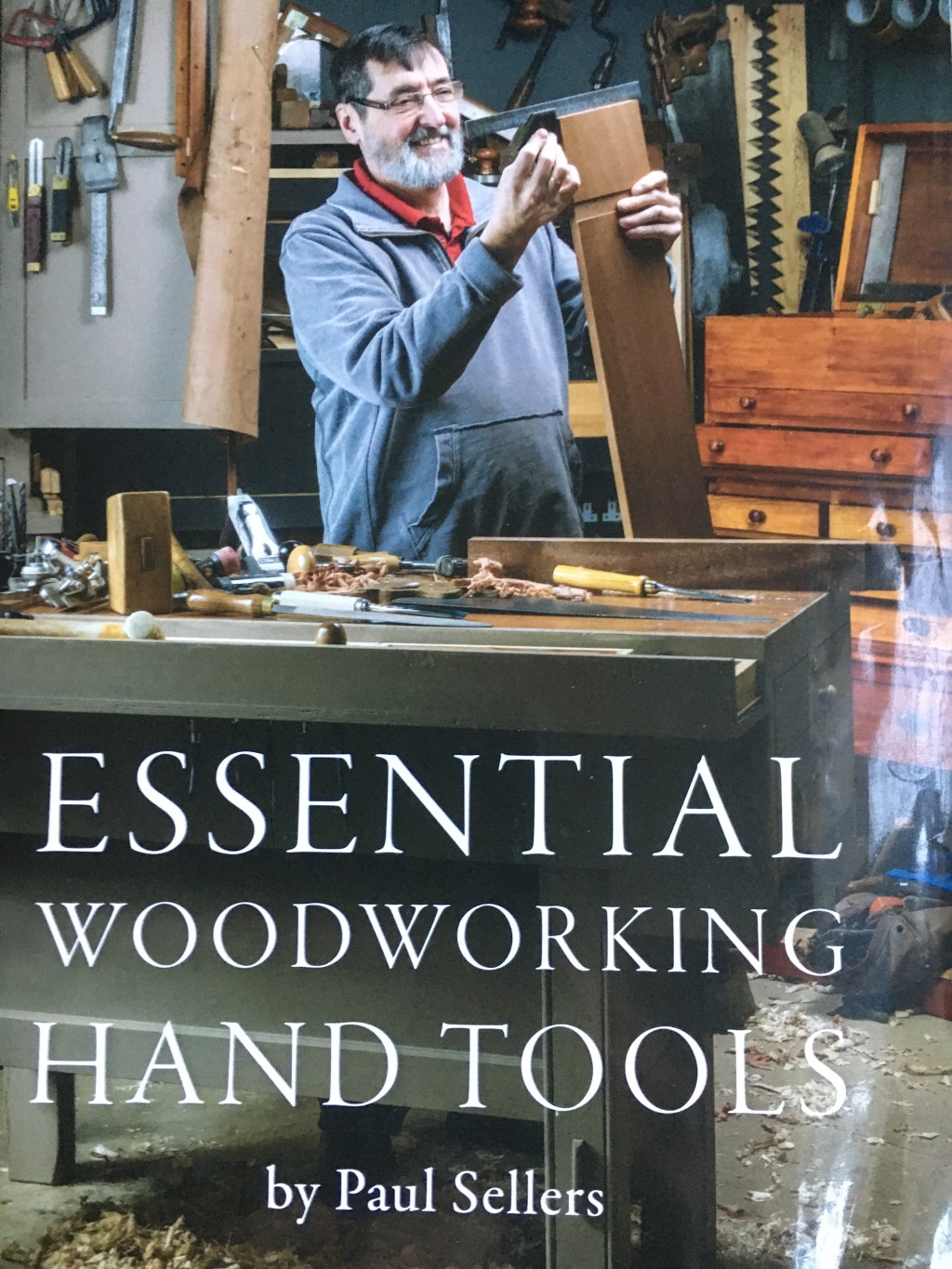
“ESSENTIAL WOODWORKING HAND TOOLS” DI P. SELLERS
English translation at the end of the article
Se si riesce a superare lo scoglio, per noi italiani spesso insormontabile, della lingua inglese, una lettura che mi sento di consigliare è il libro di Paul Sellers “The essential woodworking hand tools”.
Perdonerete i toni entusiastici con i quali ne parlerò ma lo ritengo veramente un ottimo libro, che ho letto più volte ed al quale ricorro ogni qualvolta abbia delle incertezze. L’argomento che affronta sono gli utensili manuali e questo di per sé non é una novità nel panorama letterario di genere. Ciò che lo rende speciale è invece lo stile di narrazione, ovvero come vengono trattati gli argomenti, demistificati e scevri di inutili complicazioni, che di fatto lo attaglia a chi si vuole avvicinare alla lavorazione manuale del legno. Una guida semplice e chiara ma al contempo tecnica ed autorevole su come muovere i primi passi nella nobile arte della falegnameria attraverso la conoscenza dei suoi strumenti essenziali.
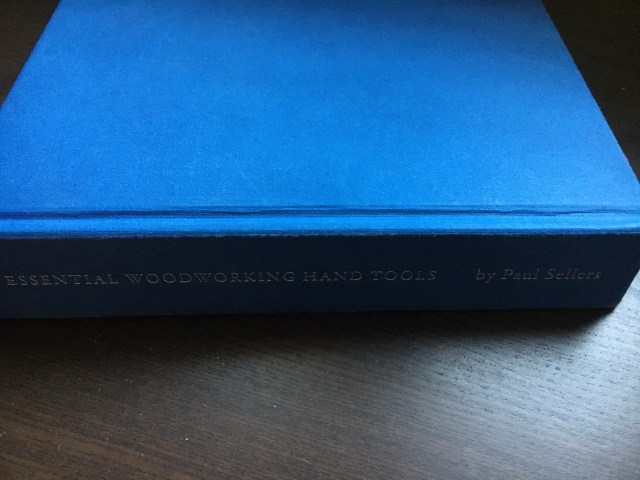
È difficile leggere il libro di Paul Sellers senza rimanere in qualche modo affascinati dalla filosofia che lo ispira ovvero quella di una falegnameria totalmente amanuense basata sull’utilizzo di pochi tradizionali utensili. Da anni il falegname britannico (o il dilettante del legno, come lui stesso ama modestamente definirsi) testimonia come sia possibile lavorare il legno senza apparecchiature elettriche, impiegando una decina di attrezzi manuali e tre incastri basilari, facendo della semplicità il suo punto di forza. Sul personaggio pubblico Sellers c’è poco da dire e, per i pochi che ancora non lo conoscono, basta farsi un giro sul web per apprezzarne le grandi capacità, unite ad un approccio minimalista. Questo libro non è la sua opera prima, avendo scritto qualche anno fa per la Artisan Media il libro “Working wood 1 & 2” (un’altra lettura che vi consiglio). Questo è però il primo libro scritto ed edito in proprio, quasi 500 pagine raccolte in copertina rigida, nelle quali vengono passati in rassegna i principali utensili manuali, descritti nelle loro caratteristiche e nel loro funzionamento il tutto in perfetto stile Sellers, ovvero concentrando lo sforzo descrittivo più sull’effettiva fruibilità degli utensili, che non sugli inutili tecnicismi. Questo lo rende di fatto un testo da tenere sempre a portata di mano nel nostro laboratorio più che il solito libro destinato a prendere polvere su qualche scaffale. Nel libro l’autore coniuga la falegnameria tradizionale amanuense con taluni elementi di novità, frutto di anni di esperienza, come ad esempio l’utilizzo delle pietre diamantate oppure la riscoperta di alcuni utensili destinati all’oblio come la router plane o di tecniche cadute in disuso come il knifewall. Leggere il suo libro è come possedere una lente di ingrandimento con la quale poter cogliere i tanti minimi particolari del suo lavoro. In uno stile fluido e comprensibile riesce a trasmettere insegnamenti semplici quanto fondamentali, come l’importanza di tenere sempre gli utensili in perfetta efficienza o evidenziando elementi che possono apparire insignificanti, come l’accuratezza del tracciare un segno nel legno. In questi aspetti si differenzia e si eleva rispetto ad altri testi sull’argomento. Seppure il focus siano ovviamente gli utensili manuali l’autore non scade nella solita sterile rassegna di attrezzi utilizzati per lavorare il legno, ma ne approfondisce gli aspetti legati al funzionamento, sul come renderli vivi nelle nostre mani, farli lavorare al meglio anche attraverso i tanti e utili suggerimenti presenti nel libro, così come farebbe il maestro impegnato nel passare le proprie conoscenze ai suoi allievi.
Seguendo uno schema logico – pratico il primo capitolo è dedicato all’affilatura, vera pietra d’angolo della falegnameria amanuense, per poi dispiegarsi nella trattazione degli strumenti di tracciatura, gli scalpelli, le pialle, le seghe, le rasiere, gli strumenti per forare ed i martelli, per concludere con alcune note sulla loro manutenzione. Le foto inserite sono tutte a colori e scattate all’interno del suo laboratorio, immortalando gli utensili e mentre li sta usando e questo non è un particolare scontato, in quanto ne suggella l’originalità, considerato anche i tanti copia incolla che si trovano in giro. Il libro è impreziosito da disegni eseguiti personalmente dall’autore, che denotano (se mai ce ne fosse bisogno) la sua enorme conoscenza in materia che, sorretta da una pregevole vena artistica, poco ha da invidiare a quella di un altro celebre autore, tale Aldren A. Watson.
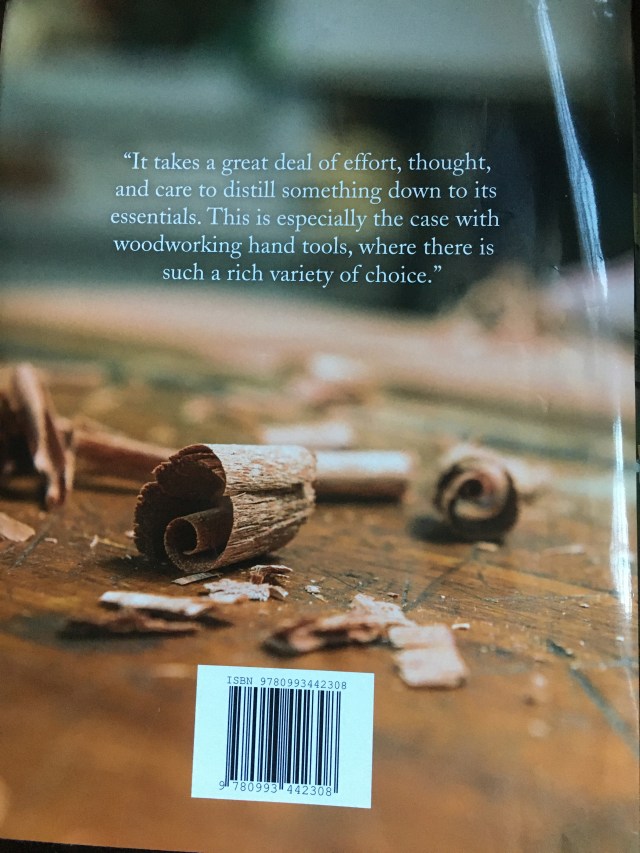
Nel libro di Sellers traspare tutto il suo stile di vita, l’amore per il proprio lavoro e il rispetto per la natura. Un esteta innamorato della lavorazione manuale del legno, quella praticata dai vecchi artigiani di bottega e di come questa possa restituirci quel senso di appagamento e di completezza, dato dal creare con le proprie mani qualcosa che sia veramente nostro e destinato a durare per sempre.
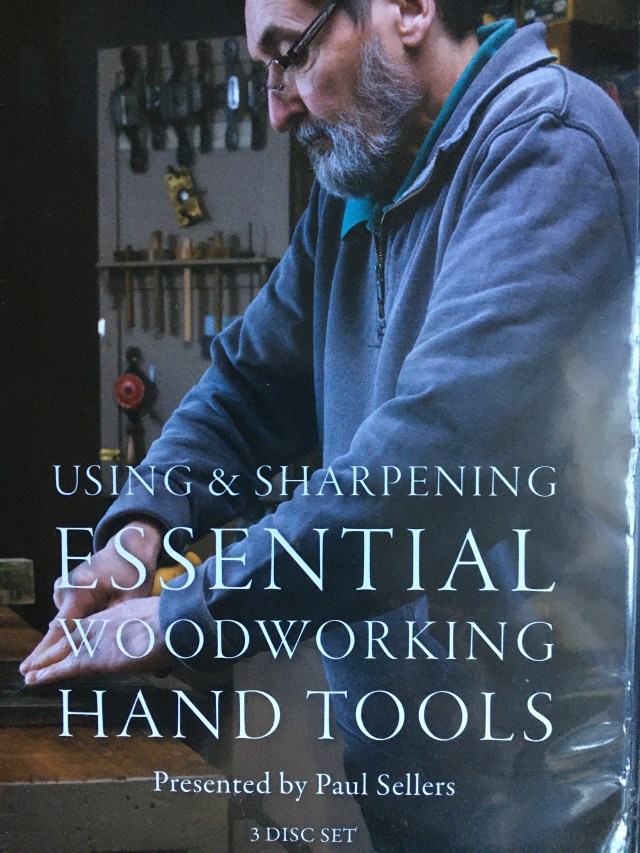
Il libro è in ristampa al momento in cui sto scrivendo questo articolo. Eventualmente è acquistabile con il set di 3 DVD.
Per maggiori informazioni potete cliccare al link sotto:
______________________________________________________________
If you manage to overcome the obstacle, often insurmountable for us Italians, of the English language, a reading that I feel I can recommend is the book by Paul Sellers “The essential woodworking hand tools”. You will forgive the enthusiastic tones with which I will talk about it but I think it is really an excellent book, which I have read several times and to which I resort whenever I have uncertainties. The topic it deals with are hand tools and this in itself is not a novelty in the genre literary panorama. What makes it special, on the other hand, is the style of storytelling, that is, how the arguments are treated, demystified and free of unnecessary complications, which in fact suits those who want to approach hand woodworking. A simple and clear but at the same time technical and authoritative guide on how to take the first steps in the noble art of woodworking through the knowledge of its essential tools. It is difficult to read Paul Sellers’ book without being in some way fascinated by the philosophy that inspires it, that of a totally hand woodworking based on the use of a few traditional tools. For years the British woodworker (or the woodworker amateur, as he himself modestly likes to define himself) has testified how it is possible to work wood without electrical equipment, using a dozen hand tools and three basic joints, making simplicity its strong point. There is little to say about the public figure Sellers and, for the few who do not yet know him, just take a tour on the web to appreciate its great capabilities, combined with a minimalist approach. This book is not his first work, having written a few years ago for Artisan Media the book “ Working wood 1 & 2” (another reading that I recommend). But this is the first book written and published in its almost 500 pages in hardcover collections, in which are passed in review the main hand tools, described in their characteristics and in their operation all in perfect Sellers style, or concentrating the effort more descriptive on the effective usability of the tools, than on useless technicalities. This makes it a text to always keep at hand in our laboratory rather than the usual book destined to gather dust on some shelves. In the book, the author combines traditional woodworking by hands with some new elements, the result of years of experience, such as the use of diamond stones or the rediscovery of some tools destined for oblivion such as the router plane or techniques that have fallen into disused as the knifewall . Reading his book is like owning a magnifying glass with which to grasp the many small details of his work. In a fluid and understandable style he manages to convey simple as well as fundamental teachings, such as the importance of always keeping tools in perfect working order or highlighting elements that may appear insignificant, such as the accuracy of tracing a mark in the wood. In these aspects it differs and stands out from other texts on the subject. Although the focus is obviously on hand tools, the author does not expire in the usual sterile review of tools used to work wood, but explores the aspects related to their functioning, on how to make them alive in our hands, to make them work better even through the many and useful suggestions in the book, as would the teacher engaged in passing on his knowledge to his students. Following a logical – practical scheme, the first chapter is dedicated to sharpening, the true cornerstone of woodworking by hand, and then unfolding in the treatment of laying tools, chisels, planes, saws, scrapers, tools for drilling and the hammers, to conclude with some notes on their maintenance. The photos inserted are all in color and taken inside his laboratory, immortalizing the tools and while he is using them and this is not a particular taken for granted, as it seals their originality, also considering the many copy and paste that are found in round. The book is embellished with drawings made personally by the author, which denote (if ever it were needed) his enormous knowledge on the subject which, supported by a valuable artistic vein, has little to envy to that of another famous author, such Aldren A. Watson. Sellers’ book shows all his lifestyle, love for his work and respect for nature. An esthete in love with hand woodworking, the one practiced by the old workshop artisans and how this can give us that sense of fulfillment and completeness, given by creating with your own hands something that is truly ours and destined to last forever.
The book is in reprint at the time of writing this article. Also available with the 3 DVD set.
For more information you can click on the link below:
Alcune foto ed immagini sono state tratte da siti internet esterni / libri / altre fonti esterne per soli scopi informativo didattici e senza fini di lucro. Se si è proprietari delle immagini e se ne desidera la rimozione si prega di segnalarlo nella sezione contatti.

 CREAROBI
Lascia un commento