CONSIGLI PER L’ACQUISTO DEL LEGNO. DOVE, COME E QUALE LEGNO COMPRARE / TIPS FOR BUYING WOOD. WHERE, HOW AND WHICH WOOD TO BUY
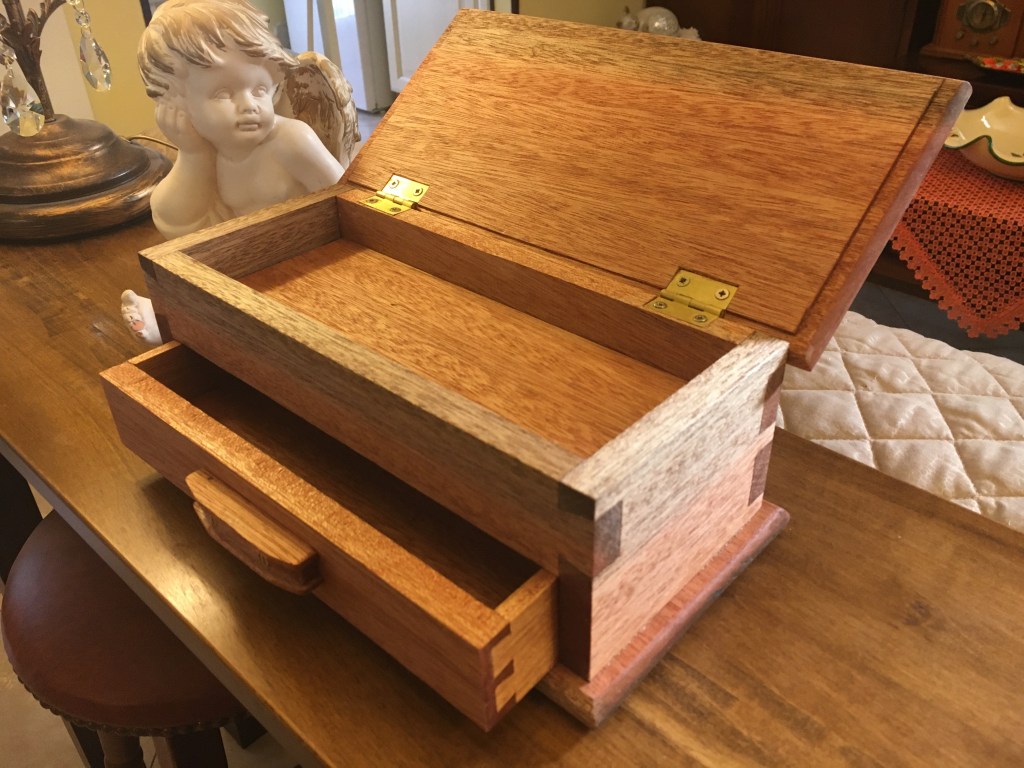
English translation at the end of the article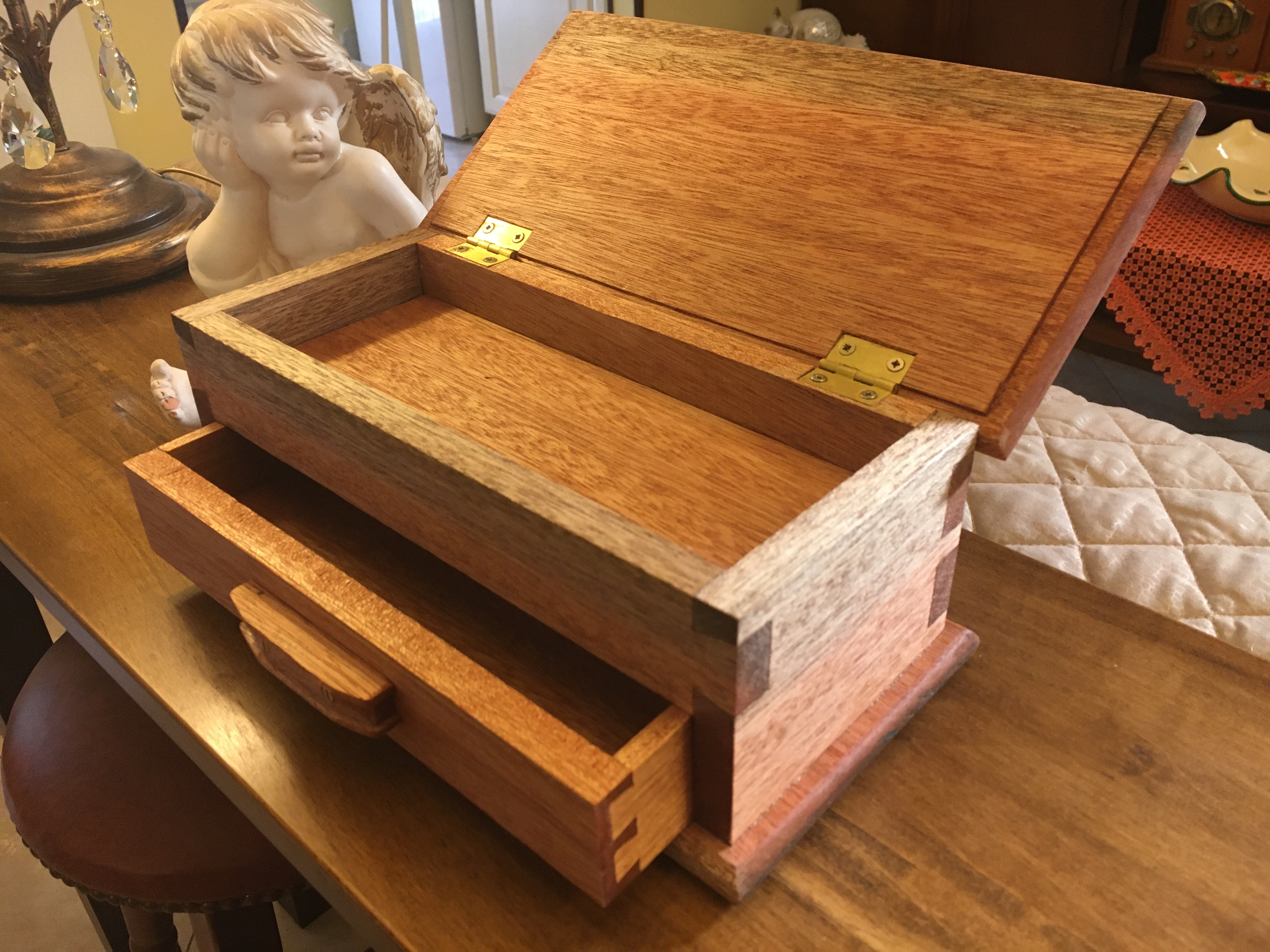 Uno dei primi problemi che si pone l’hobbista falegname, prima di cominciare qualsiasi progetto, è la scelta del giusto tipo di legno, ovvero il legno che meglio si addice, per caratteristiche e colore, al manufatto che si vuole realizzare. Come abbiamo visto in un precedente articolo, esistono in natura innumerevoli specie di legno, ognuna con proprie specificità, che di fatto lo rendono più adatto ad un utilizzo rispetto ad un altro. In questo articolo vorrei fare un qualcosa di diverso dai soliti consigli che si trovano in rete.
Narrare del percorso, mentale e fisico, che ognuno di noi può seguire per arrivare alla realizzazione del prodotto finito, partendo quindi dalla semplice idea fino ad arrivare alla sua completa realizzazione. L’idea di costruire qualcosa può scaturire da diverse esigenze. Ci può essere una reale necessità, come ad esempio il dover realizzare un qualcosa di utile (o meno utile) per la casa, (che può essere un mobiletto per il soggiorno, un armadio o delle mensole per la cameretta dei bambini, un tavolinetto, una semplice scatolina portagioie, ecc.). Oppure desiderare di creare un qualcosa per regalarlo o persino per poterlo rivendere. A seconda poi della nostra necessità è importante capire a chi è diretto l’oggetto e quale sarà la sua destinazione d’uso.
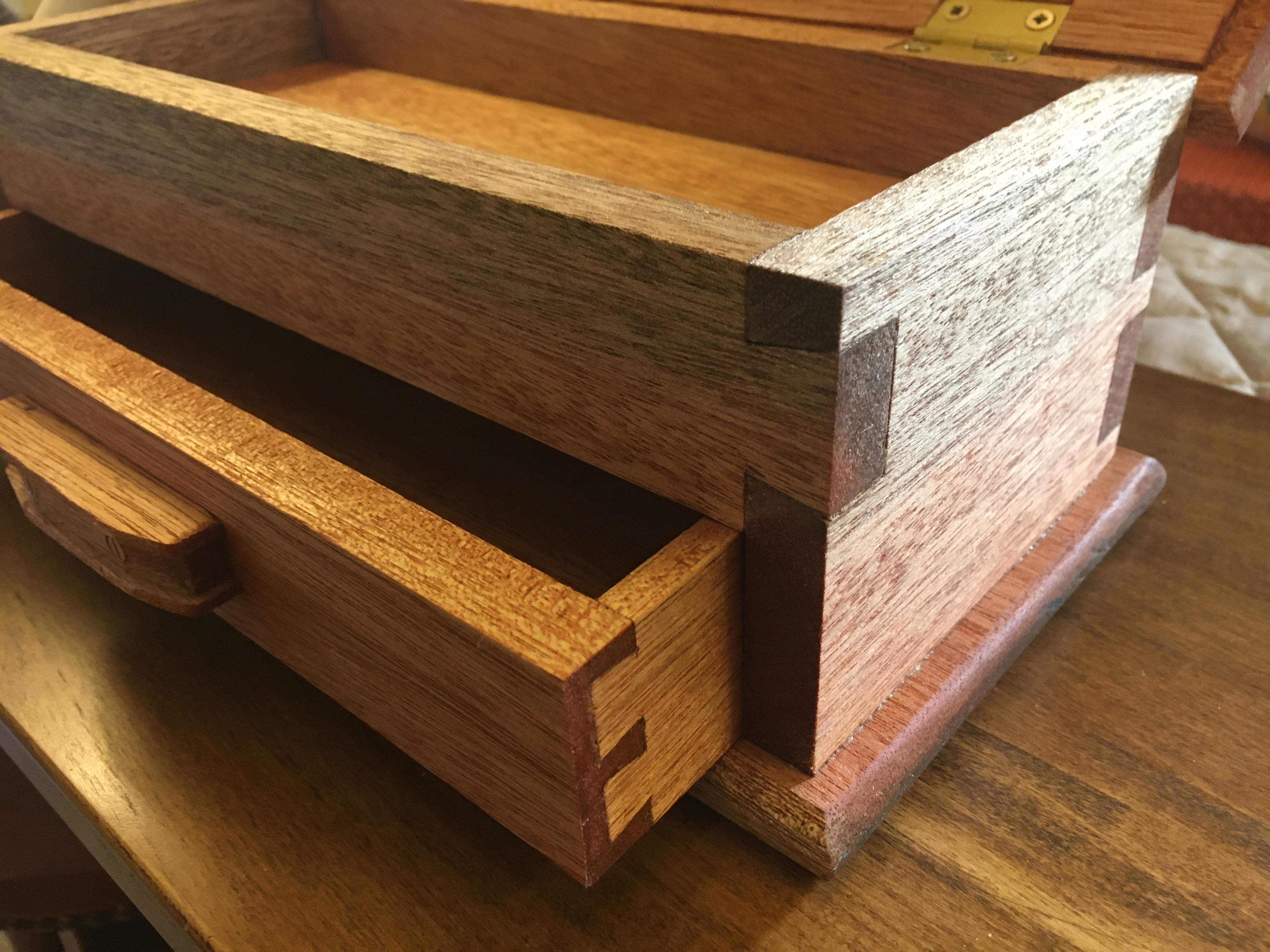 Per esempio, se vogliamo fare una scaffalatura per il nostro garage, non occorrerà che sia particolarmente bella, ma sicuramente dovrà essere robusta e funzionale e allora potrebbe andare bene il multistrato. Se invece dovessimo realizzare una vetrinetta per il nostro soggiorno, ecco che dovremmo probabilmente orientarci su un legno massello, oltre al cercare di realizzare l’oggetto con determinati criteri costruttivi, così che risulti oggettivamente bello da vedere. Se invece l’oggetto da costruire è destinato ad un’altra persona, come regalo o come vendita, allora entrano in gioco altri fattori. Se sappiamo a chi è diretto (sia che sia un regalo, sia che ci sia stato commissionato), è importante capire i gusti della persona, dove debba essere collocato l’oggetto, entro quanto tempo terminarlo, ecc. In particolare, se l’oggetto è stato commissionato, sarà importante comprendere bene cosa vuole l’acquirente, chiarire, prima di cominciare, tutti gli aspetti realizzativi, le tempistiche ed i prezzi. Infine, se l’oggetto da realizzare è diretto ad una platea di possibili acquirenti (pensiamo ad esempio alla vendita su una qualsiasi piattaforma di commercio on line o se volessimo realizzare un nostro negozietto fisico), il discorso si amplia notevolmente ma, anche in questo caso, è soprattutto da capire cosa vogliamo realizzare e soprattutto a chi vogliamo rivolgerci, ovvero a quale target di clientela stiamo puntando. Tanti aspetti che mi piacerebbe trattare in futuro, in un post dedicato.
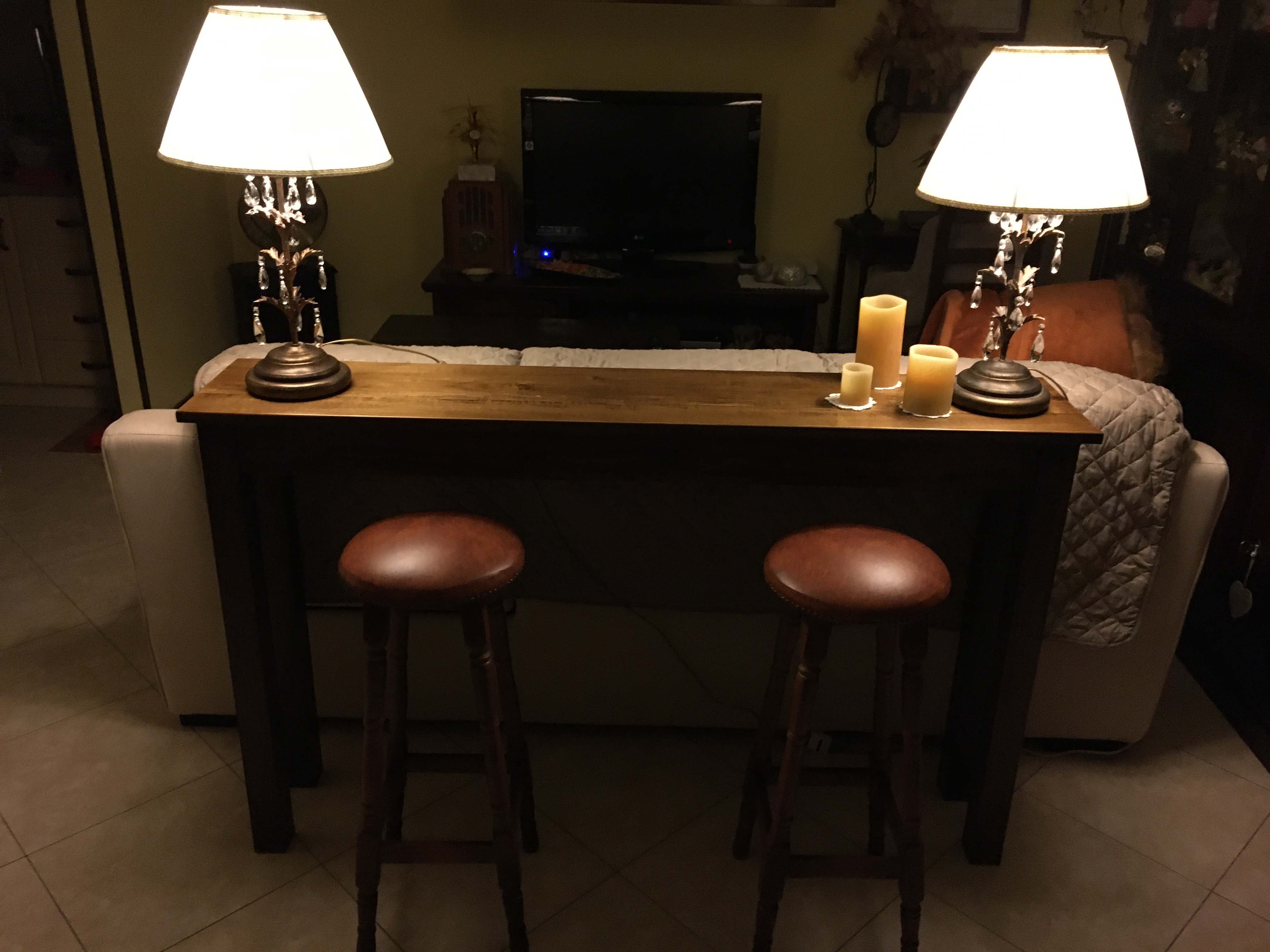 Comunque, una volta chiarito cosa vogliamo fare, per chi dobbiamo farlo, il suo utilizzo finale, il posizionamento, le tempistiche e i costi, ecco che possiamo finalmente cominciare a progettare qualcosa. Quindi, carta e matita (o sketchup se siete più moderni di me) e cominciate a mettere nero su bianco la vostra idea. Prendetevi un quadernone a quadretti, un righello, una gomma e il temperamatite, oltre alla matita ed alla penna, per poter segnare le misure del vostro oggetto, accertandovi sempre che l’oggetto entri / passi poi fisicamente nella / dalla sua destinazione finale (valutate quindi anche i vari passaggi dalle porte e dalle finestre dell’abitazione, l’eventuale ingombro e se l’oggetto vada poi trasportato in altra sede). Immaginate il vostro oggetto in tre dimensioni e fate dapprima uno schizzo, disegnandolo sempre dalle varie angolazioni (di faccia e di lato) e definitelo poi sempre più nei particolari, cercando di non tralasciare alcun particolare, anche se vi sembra ininfluente. Quando sarete soddisfatti dell’estetica, allora cominciate a dimensionare il disegno, trasferendolo su un altro foglio e aggiungendo a fianco di ogni tracciatura le sue misure finali. Non abbiate paura di cambiare idea, scrivete e cancellate tante volte fino a quando non sarete sicuri della vostra realizzazione, perché in questa fase, spesso sottovalutata, è facile fare errori ma è anche facile correggerli. Prendete le misure più di una volta, valutate eventuali ingombri (come ad esempio le aperture dei cassetti e delle ante), ed eventuali ostacoli (come ad esempio termosifoni, lampadari, ecc.) e, se l’oggetto da realizzare è molto grande, non sottovalutate mai l’elemento altezza. Infine, scrivete a fianco del disegno, o su un foglio a parte, la lista dei tagli, ovvero quanto legno vi occorrerà per fare il vostro oggetto. Il consiglio è sempre quello di comprare più legno di quello realmente necessario. Questo perché l’inconveniente è sempre dietro l’angolo. Un pezzo tagliato male, una misura errata ed ecco che il legno non basterà più, costringendo ad interrompere il vostro lavoro e tornare ad acquistare. Eventualmente invece siate stati così bravi e le cose siano andate tutte secondo i vostri programmi, il legno avanzato vi tornerà comunque utile per altri progetti.
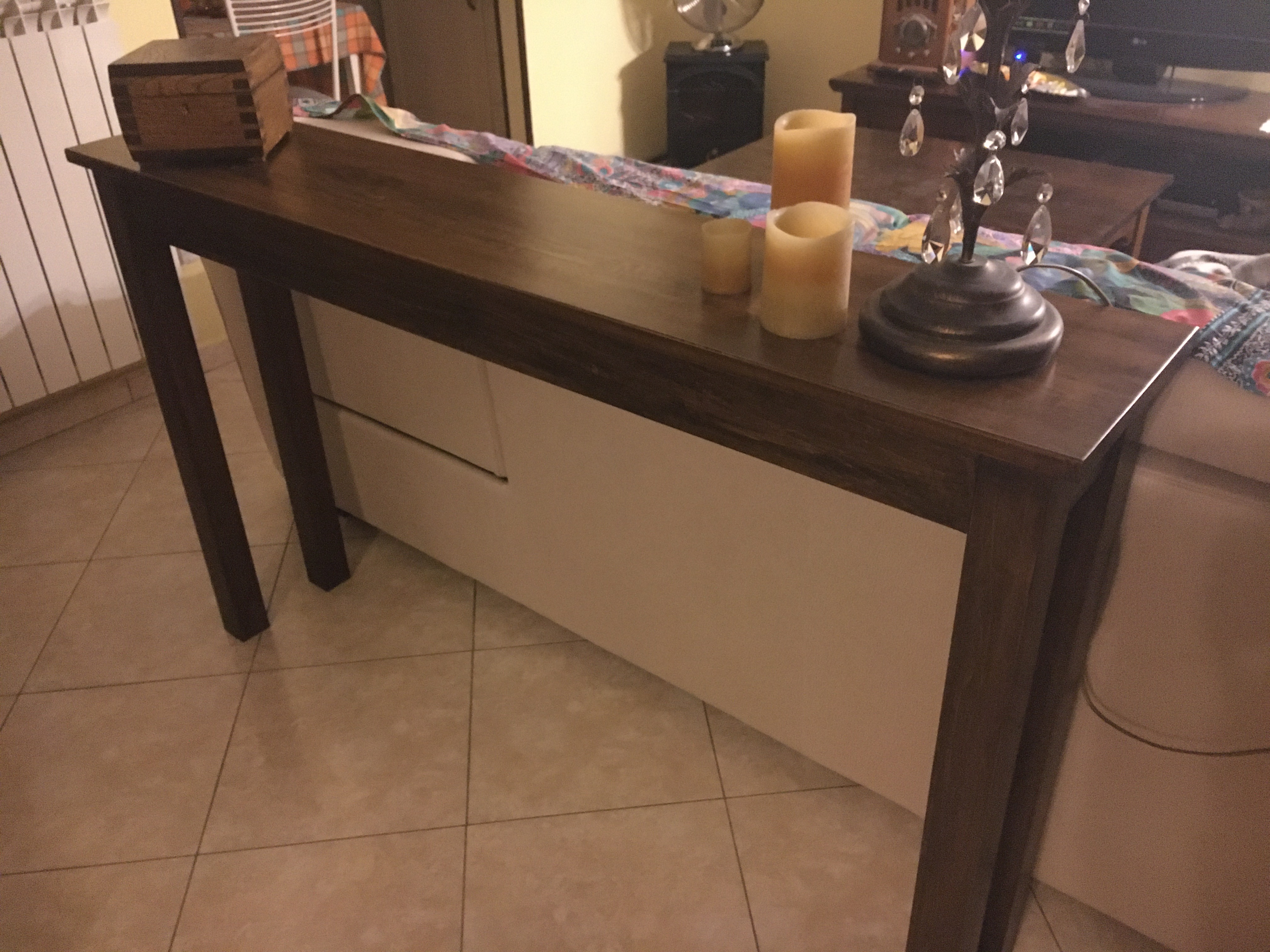 Una volta definite forme, dimensioni e misure finali (e sulla base di queste, segnato quanto legno vi occorre), dovrete valutare quale tipo di legno sia più adatto alle vostre necessità. Se il manufatto va all’esterno è meglio scegliere un legno che ben sopporta escursioni termiche ed umidità. Ad esempio, il legno di abete può andare bene per l’esterno sempre che sia opportunamente trattato con diverse mani di impregnante. Se va all’interno e deve essere messo in bella mostra scegliete allora un buon legno massello magari con una bella venatura da poter mettere in risalto in fase di finitura. Se deve sopportare carichi pesanti valutate spessori del legno maggiori, come ad esempio se dovete fare delle mensole o dei ripiani. Se dovete creare delle sedie scegliete un legno robusto e flessibile come il faggio, e così via. Un altro fattore da tenere in considerazione è il colore del legno e la sua verniciatura. Ad esempio, il pino e l’abete sono di facile reperibilità (specialmente quest’ultimo) ed a costi accessibili e spesso vengono scelti proprio per tali caratteristiche ma, trattandosi di legni chiari e volendoli successivamente colorare di scuro (come spesso accade), il risultato sarà deludente perché, essendo conifere, la verniciatura risulterà a chiazze. Se volete realizzare un pezzo in multistrato vale lo stesso discorso. Il multistrato ha ottime caratteristiche di resistenza e si trova ad un prezzo abbordabile ma è difficile da finire con la verniciatura, (sempre a patto che vi accontentiate del risultato).
 Se dovete realizzare rivestimenti o supporti per il vostro laboratorio o garage, oltre al multistrato potete prendere in considerazione l’OSB o l’MDF. Specialmente il primo è diventato di gran moda ultimamente (per il suo design e il prezzo basso) ma ricordate che è difficilmente lavorabile, si spacca facilmente e non è verniciabile. Quindi va bene soprattutto per pannellature o piccoli oggetti caratteristici. Ricordate sempre che non tutti i legni chiari sono facilmente verniciabili con finiture scure (come detto sopra) e l’utilizzo degli impregnanti (colorati e non) è d’obbligo per pezzi che sono previsti per l’esterno. Cercate di evitare il truciolare che è di scarsa tenuta e zero lavorabilità. Infine, ci sarà da valutare il fattore economico. E’ in questa fase che spesso i nostri sogni si infrangono con la dura realtà. Bello e qualità non vanno d’accordo con il fattore costi. I legni migliori ovviamente hanno prezzi superiori e molto spesso, quando si scoprono i prezzi del legno, ci si trova costretti a ridimensionare i nostri progetti, se non addirittura a desistere. Da qui nasce il pericolo di prendere decisione sbagliate. Pensiamo ad esempio ad un armadietto per i bambini. Bello poterselo fare da soli, secondo le nostre necessità ed i nostri gusti, ma se il prezzo del legno è oggettivamente troppo alto, se per costruirlo dobbiamo comprare apparecchiature che magari non abbiamo, acquistare vernici, colle, ferramenta varia ecc. e magari impiegare molte ore di lavoro, ecco che si è portati a credere che forse non ne valga la pena e che si risparmi e si faccia prima a comprarne uno già fatto. Questo perché è molto probabile che ciò che vogliamo sia già stato creato da qualche grande azienda, venduto ad un prezzo inferiore di quello che costerebbe a noi e magari con consegna e montaggio gratuiti. Il tutto con un semplice click su internet. Oppure, più semplicemente, i costi da sostenere per farselo da soli vi sembrano comunque troppo alti e decidete di ripiegare su un materiale più economico o risparmiare qualcosa magari diminuendo le misure dell’oggetto o rimanendo più risicati sulla quantità di legno da acquistare. In tutti questi casi si generano dubbi e perplessità alle quali difficilmente si può dare una risposta univoca, perché altamente soggettiva. Personalmente penso che, a meno che non dobbiate fare un armadio a sei ante o un intero soggiorno o che dobbiate comprarvi tutta l’attrezzatura partendo da zero perché totalmente sprovvisti, valga sempre la pena realizzare qualcosa da soli, sia perché ampiamente personalizzabile, sia proprio per la soddisfazione di averlo fatto noi stessi (magari con attrezzi manuali, come piace a me).
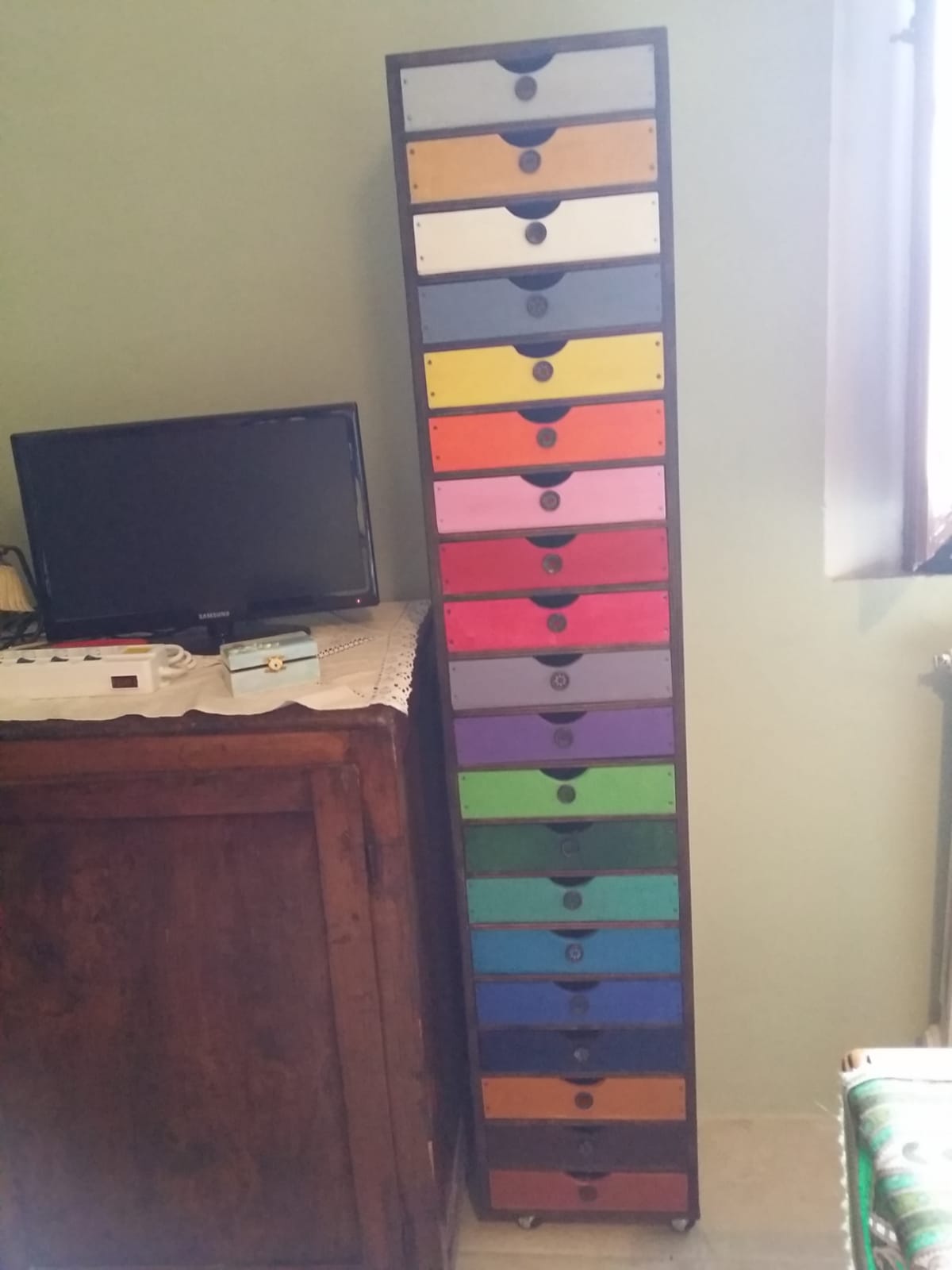 In commercio si trovano comunque anche bei legni ad un prezzo contenuto. Una piacevole scoperta, fatta circa un anno fa, è stata il legno di toulipier. Un legno chiaro, duro, bello da vedere e facile da lavorare, ottimamente verniciabile anche con colori scuri, che lo rendono molto simile al noce una volta finito, e oltretutto ad un costo assolutamente abbordabile. L’unico problema semmai potrebbe essere quello della reperibilità: non si trova sicuramente nei Brico. Il discorso cambia se dovete fare un oggetto per un’altra persona. I costi in questo caso sono fondamentali e quanto dovrete spendere per non far sforare il budget deve essere certo e trasparente sin dall’inizio. Il fattore economico si ricollega direttamente allo step successivo, ovvero quello di dove acquistare il materiale che ci serve. Meglio rivolgersi on line a qualche rivenditore oppure presso i Brico o ad un fornitore di legnami? Partiamo dalla scelta più comoda, ma secondo me la più rischiosa. Acquistare on line su qualche sito specializzato è sicuramente la cosa più semplice. Comodamente seduti al computer di casa, ci prendiamo tutto il tempo a disposizione per guardare le varie proposte, valutare i prezzi ed approfittare della consegna a domicilio. I siti più forniti poi, hanno in vendita del cortame (legni di piccole dimensioni) di essenze difficilmente rintracciabili nelle segherie vicino casa. Ci sono però anche aspetti negativi. Non possiamo vedere e toccare dal vivo il legno che acquistiamo (sebbene i siti più seri ed affidabili inseriscano le foto di ogni singolo pezzo che vendono, foto non solo dimostrative, complete di tutte le caratteristiche e misure), ed esiste sempre l’incertezza che la merce ci arrivi a casa rovinata o non conforme a quello che abbiamo ordinato. Ripeto, molto comunque dipende dalla serietà del rivenditore. Un sito dove ho acquistato e dove mi sono trovato bene e che corrisponde alla descrizione fatta sopra è il seguente:
https://www.bricolegnostore.it/
I Brico, tra le varie scelte disponibili, è forse quella a cui tutti pensano come prima opzione. Questo perché si trovano sempre vicino casa, è possibile andare in qualsiasi orario (specialmente nei fine settimana) e rimanere a guardare per scegliere quanto tempo si vuole. Ma le note positive purtroppo finiscono qui. I prezzi sono più alti che altrove, c’è pochissima scelta, specialmente di legno massello (escludendo il solito abete, solitamente di bassa qualità), e la presenza di tanto multistrato, OSB, MDF e truciolare, il tutto per venire incontro al desiderio di economicità da parte del cliente. Anche su queste referenze, comunque, i prezzi sono più alti rispetto ai comuni fornitori di legnami e spesso il taglio a misura è offerto a pagamento.
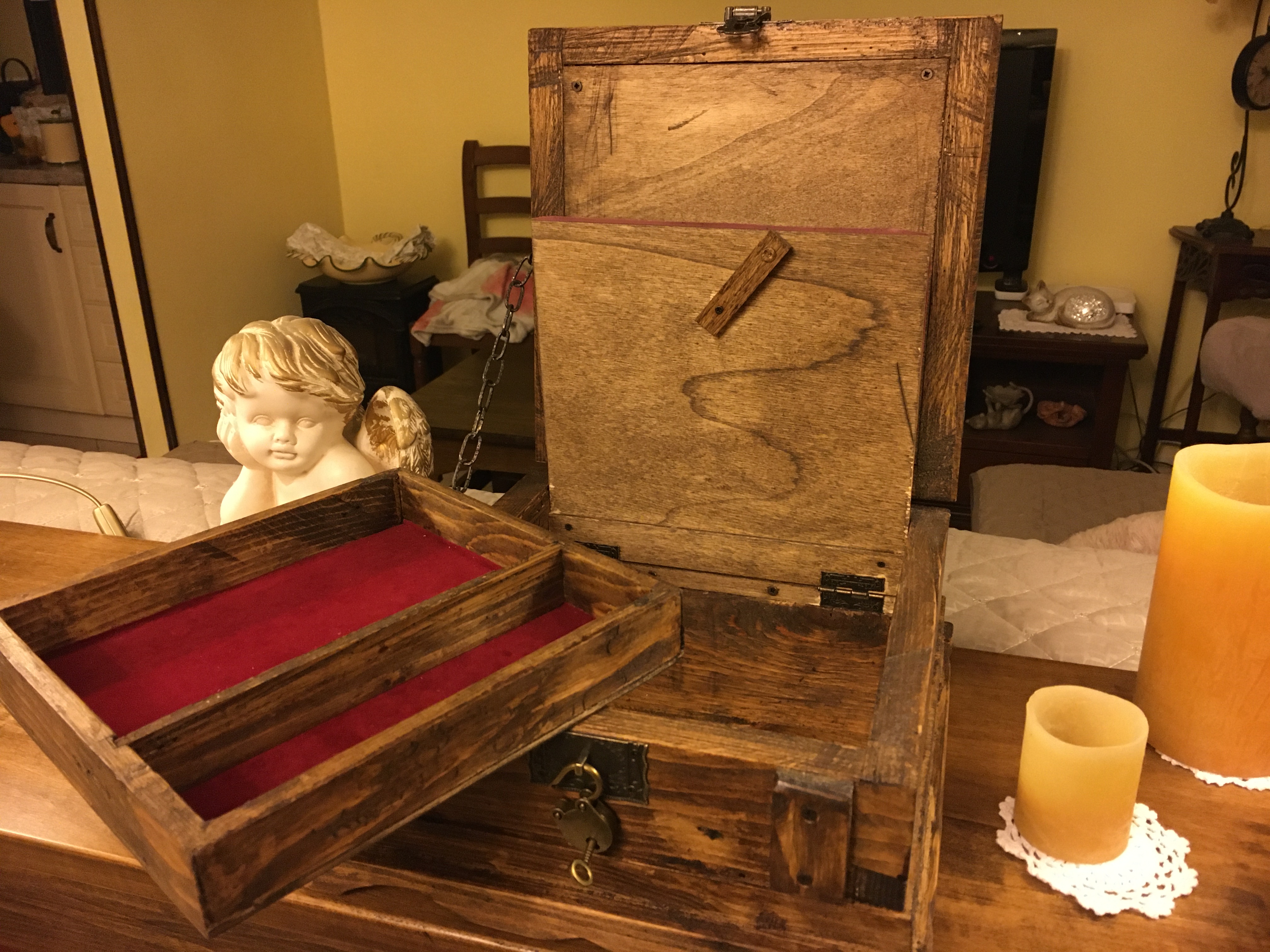 Rimangono quindi i fornitori di legnami. Li ho lasciati per ultimo proprio perché secondo me sono la scelta migliore (anche se è la via più scomoda da seguire), e per i quali vorrei approfondire il discorso. I fornitori di legnami fino a qualche anno fa erano territorio esclusivo dei professionisti del settore falegnameria. Grosse aziende che acquistavano interi bilici di legname o piccole falegnamerie per il loro fabbisogno, comunque operatori specializzati del settore con grosse necessità di materiale. Oggi i tempi sono cambiati. Complice la crisi economica, le richieste in questo settore sono calate, molte Ditte hanno chiuso o comunque sono in estrema difficoltà e quindi il volume di affari si è notevolmente ridotto. Ecco che, complice anche l’espansione del cosiddetto bricolage (o fai da te), i fornitori di legnami hanno aperto i loro capannoni anche ai semplici hobbisti del fine settimana. Non che prima l’accesso fosse vietato, ci mancherebbe, ma i tempi sono cambiati. Il privato, prima visto come una scocciatura, adesso assume anche lui una sua valenza, seppur limitata. Perché scegliere il fornitore di legname, quindi? Anzitutto perché i prezzi sono assolutamente più bassi rispetto ai Brico ed alle vendite on line. Secondo, per la grande varietà di legno massello delle specie più pregiate (nelle varie forme di tavole, listellare, morali, perline, ecc.) che è possibile trovare, oltre ovviamente ai vari tipi di legno derivato (come, ad esempio, multistrato, OSB, truciolare, MDF) con la possibilità di richiedere i tagli voluti e di trovare anche del cortame a prezzi abbordabili. Inoltre, la sicurezza di portare a casa ciò che si può vedere e toccare, il tutto sempre con i dovuti limiti e maniere che dirò di seguito. Infine, la possibilità di parlare con veri esperti del settore, ai quali chiedere consiglio per l’acquisto del materiale. Il problema semmai sarà capire a quale fornitore rivolgersi. Questo dipende principalmente da dove abitiamo. Ci sono zone più fortunate dove, percorrendo pochi chilometri in macchina, possiamo trovare molti fornitori. Altre zone invece dove bisogna percorrere parecchia distanza prima di trovarne uno. Il consiglio che posso dare, almeno per i primi tempi, è quello di cercare tanto e provare, anche a costo di allontanarsi parecchio da casa. Molto spesso il fornitore dietro casa, per tante ragioni, non è la scelta adatta a noi, mentre potrebbe esserlo quello a 20 km. da casa. Non fossilizzatevi quindi sul primo che trovate ma provate ad acquistare in più posti, almeno all’inizio, e poi sceglietene uno di fiducia, che comunque non rimarrà l’unico, ma con il quale possiate comunque instaurare il giusto rapporto di fiducia e di confidenza. Adesso alcuni consigli pratici su come comportarsi prima di recarsi da un fornitore di legnami. Il personale presente è indaffarato per il lavoro interno e spesso ha a che fare con i professionisti che acquistano grandi quantità di legno. La precedenza ovviamente va a loro e quindi bisogna pensare di andare in orari meno congestionati. Meglio quindi la tarda mattinata o il primo pomeriggio e mai all’orario di chiusura. Prepariamoci a dover aspettare un poco prima di essere serviti e non pretendiamo il tutto e subito. I capannoni sono grandi ed il personale è sempre ridotto e, come detto, spesso indaffarato per altre necessità. Prepariamoci sempre la lista del materiale che ci serve scritta su un foglietto con il numero dei pezzi occorrenti e le misure ben specificate e comprensibili, meglio se in millimetri, con lunghezza, larghezza e spessore, oltre ovviamente al tipo di legno desiderato. Prepariamoci un doppio foglietto cosicché se ci fosse chiesto di lasciare la lista dei tagli e di tornare avremo sempre una copia per noi.
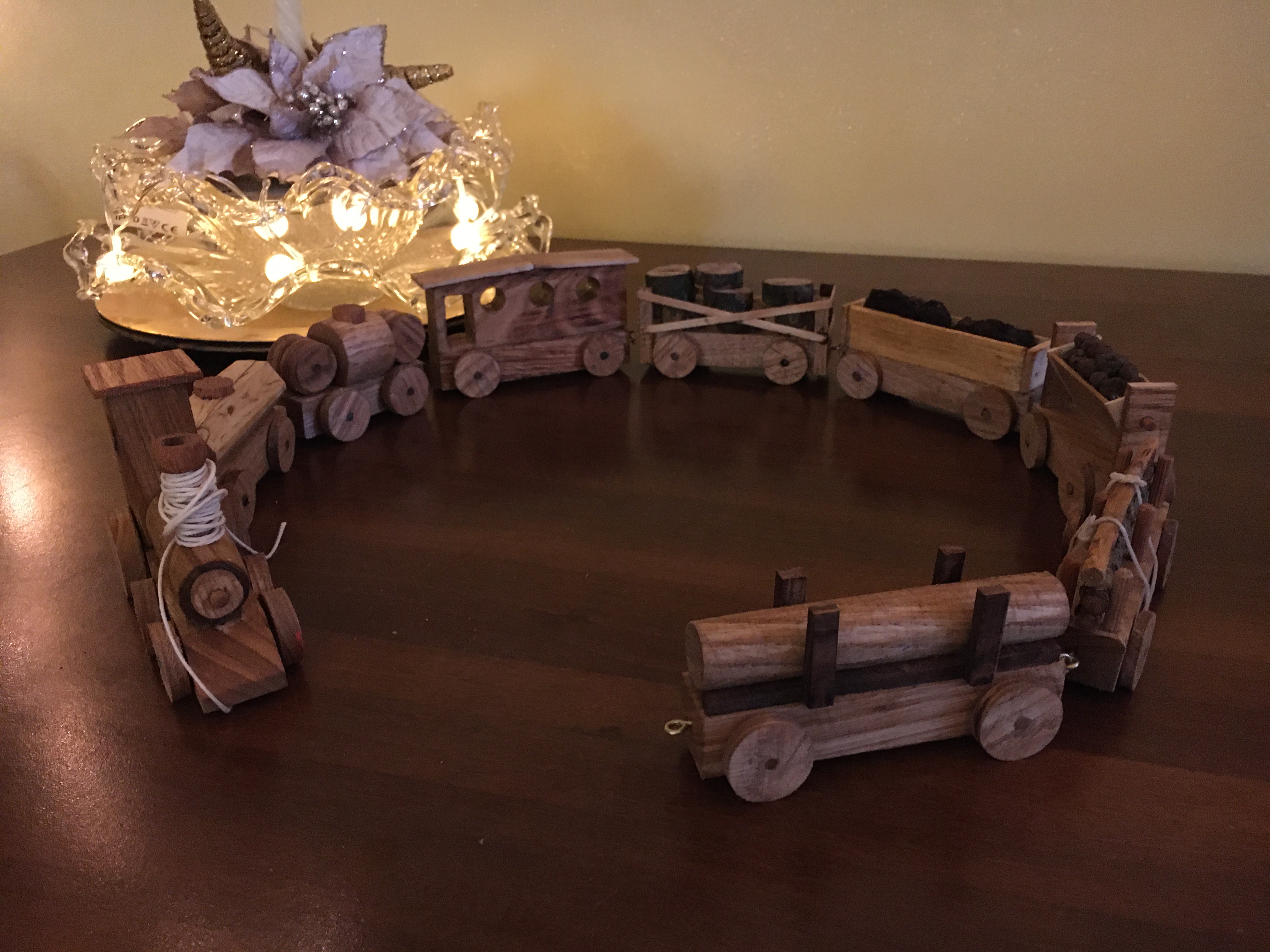 Andare sempre con le idee chiare per sapere cosa vogliamo acquistare. Teniamoci sempre un’alternativa al legno che vogliamo. Se non fosse disponibile il rovere forse anche il castagno potrebbe andare bene. Le nostre richieste, poi, dovranno essere quantomeno opportune. Inutile riferire alla persona che ci serve di dover fare un mobile e dargli le misure: sarà invece necessario fornire le misure dei tagli che dovrà fare. Non potremo, ad esempio, pretendere che l’operatore si metta subito al nostro servizio preparandoci 100 pezzi di multistrato da 50 x 20 x 1 cm, ma, sempre ammesso che ci facciano questo tipo di servizio, ci verrà richiesto di lasciare la lista e di ripassare. Inutile anche chiedere di scegliere una particolare tavola di legno all’interno di una catasta, a meno che non siamo in enorme confidenza con il venditore o che gli paghiamo il tempo perso per aprire tutta la catasta. Sovente le tavole migliori si trovano all’interno del pacco e non sono fisicamente raggiungibili. Quindi dovremo mettere in conto di doverci accontentare delle tavole sopra, diciamo quelle a portata di mano, anche se dovessero presentare alcuni difetti. Spesso infatti ricavare da un tavolone di legno o da un pannello i pezzi che ci occorrono significa perdere millimetri di spessore di legno, tutto materiale che paghiamo ma che se ne va in segatura. Lo sciupio del legno infatti è sempre da mettere in conto quando si acquista in una segheria ma capita anche spesso che dai tagli avanzi comunque qualcosa che viene lasciato all’acquirente senza essere fatto pagare. Quando si acquista, comunque, è sempre opportuno controllare bene quello che ci viene consegnato. A volte possono esserci degli errori nelle quantità o nelle misure, dovuti alla fretta o altro, oppure il materiale potrebbe non essere conforme, presentando difetti notevoli. Molto spesso alcune tipologie di legno mostrano evidenti fessurazioni sulla testa della tavola o imbarcamenti ragguardevoli. Solitamente vengono già scartate a monte dal venditore ma se ciò non dovesse accadere possiamo eventualmente accordarci chiedendo una riduzione di prezzo.
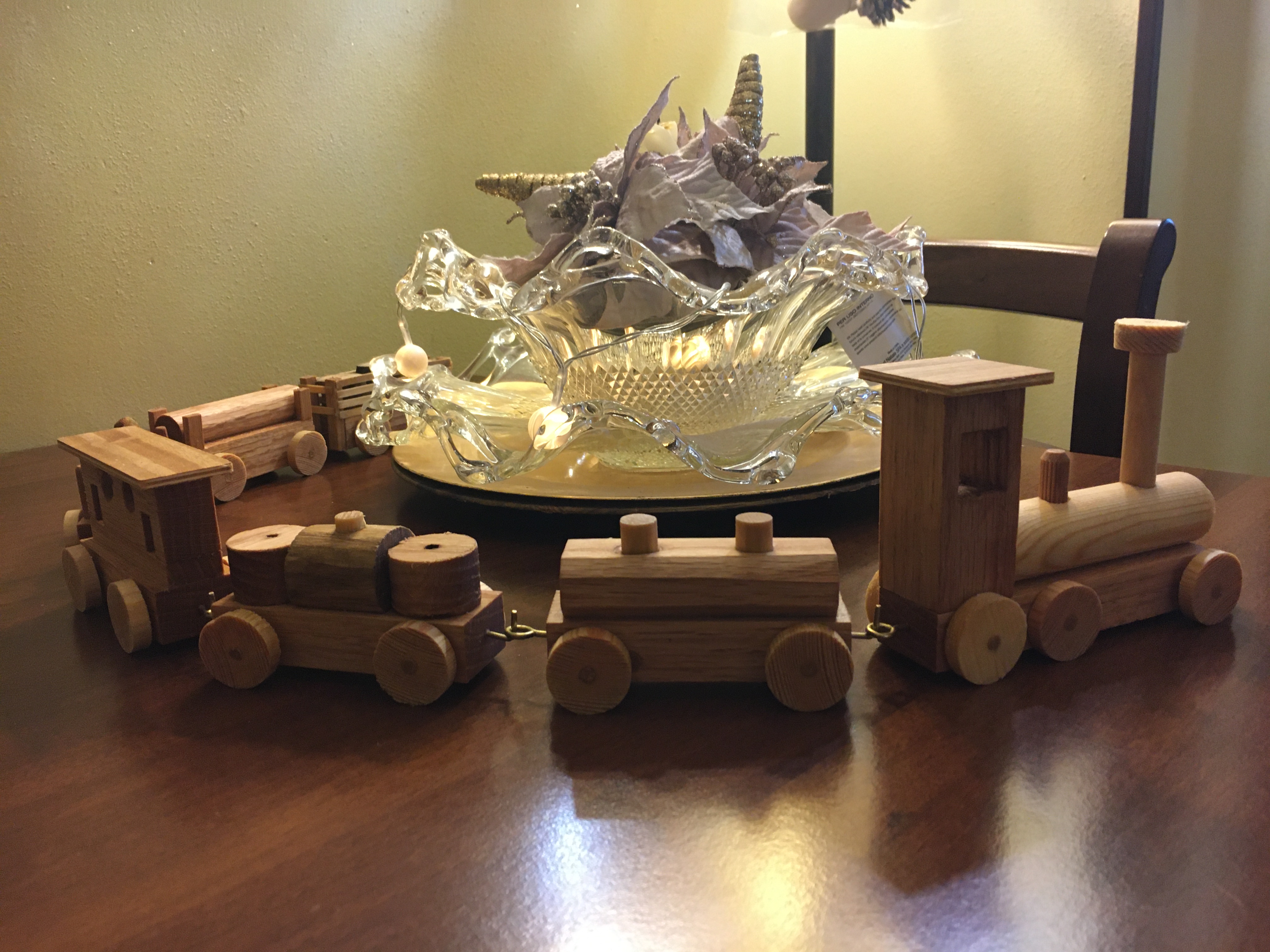 Molto spesso presso i fornitori di legname possiamo trovare dei pezzi di scarto, il cosiddetto cortame, che altro non sono che piccole tavolette di legno di misure non commercializzabili e/o che, presentando piccoli difetti, vengono vendute a prezzi scontati, tavole che all’hobbista possono comunque tornare molto utili. Infine, potremo trovare legno già piallato o tavoloni ancora allo stato grezzo con o senza corteccia. Taluni fornitori di legname lavorano maggiormente con particolari specie di legno rispetto ad altre. Con l’esperienza impareremo quali rivenditori hanno sempre disponibile il castagno ed il noce e quali invece il rovere o il noce nazionale. Tutti avranno invece sempre disponibile l’abete, il pino ed i vari multistrati di betulla, di pioppo, ecc. Infine, andiamo ad acquistare con un veicolo idoneo. Se abbiamo un furgone non ci sono problemi. Se andiamo con la macchina pensiamo soprattutto alla lunghezza delle tavole da caricare rispetto alle dimensioni della nostra autovettura. Tavole lunghe due metri entrano solitamente anche sulle macchine di piccole dimensioni. Il tavolone di 4 metri andrà giocoforza tagliato. Portiamoci inoltre dietro cartoni o coperte per evitare che il legno rovini l’interno della macchina. Una volta a casa pensiamo allo stoccaggio. Se pensiamo di lavorare subito il legno non ci sono particolari problemi. Solitamente il legno acquistato in segheria è stagionato. Ma se prevediamo di lasciarlo fermo per dei mesi, allora dobbiamo mettere in preventivo che il materiale possa ulteriormente stagionarsi creando fenomeni di ritiro, dilatazione ed imbarcamento. A seconda dello spazio che abbiamo nella nostra cantina cerchiamo di favorire una posizione distesa e non a contatto con muri o pavimenti umidi, favorendo un buon ricircolo d’aria. Eventualmente possiamo pensare di tingere le teste del legno o coprirle con la colla per contrastare il fenomeno delle fessurazioni. La fase finale sarà quella della realizzazione del manufatto.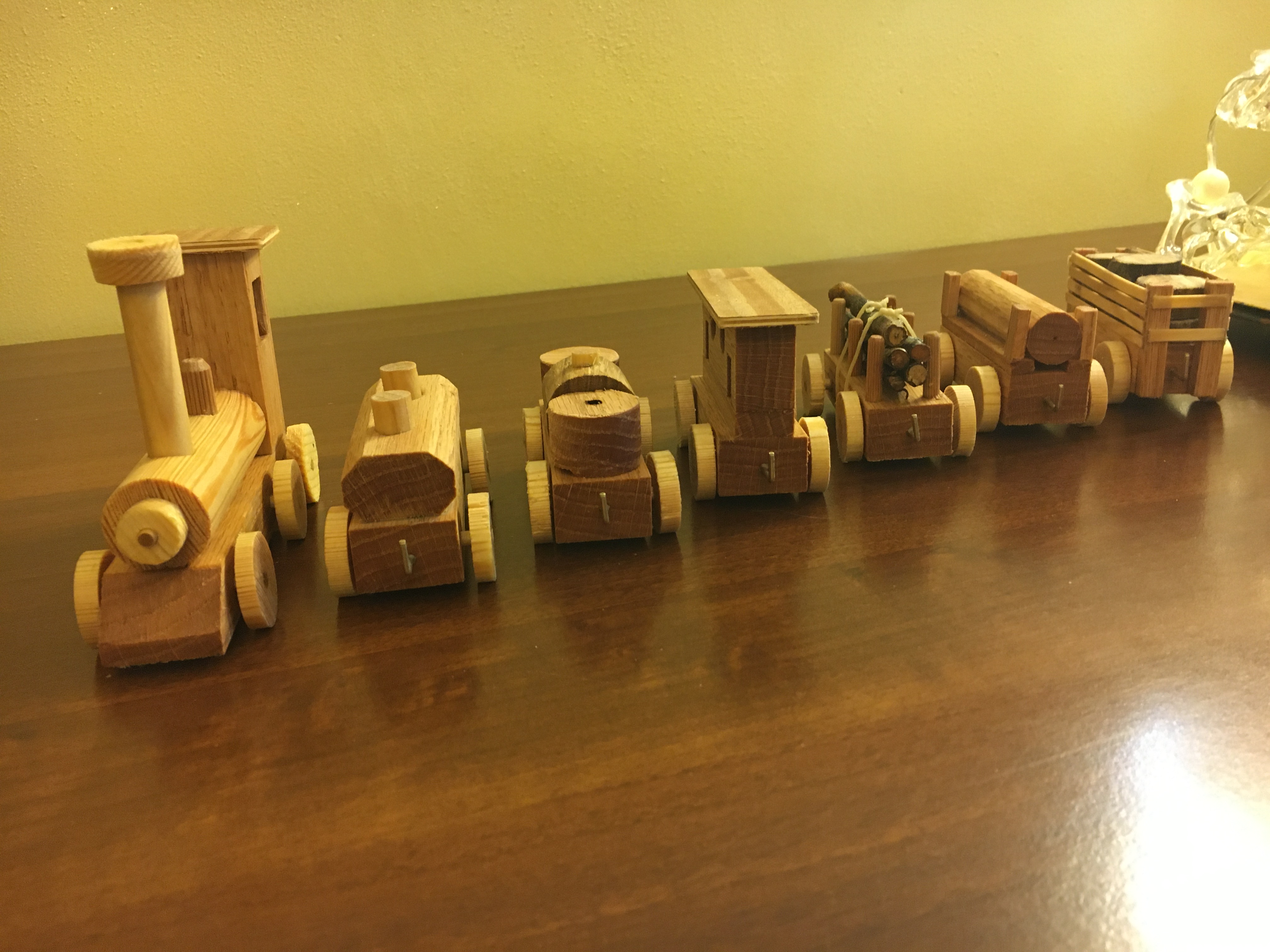
Pochi semplici consigli. Lavorate con calma, procedete poco alla volta, pensate bene a quello che state facendo, prendete le misure due o tre volte se necessario prima di tagliare, utilizzate sempre attrezzi ben affilati se lavorate a mano e date importanza alla sicurezza anche attraverso i dispositivi di protezione individuale quando lavorate con i macchinari. Non mettetevi mai al lavoro se siete stanchi e operate sempre in condizioni ambientali ottimali, quindi con ottima illuminazione e buon ricircolo d’aria. Per quanto riguarda la lavorazione vera e propria, sarebbe impossibile parlarne in questo articolo, per ovvi motivi. E poi, sennò, a cosa servirebbe il mio blog?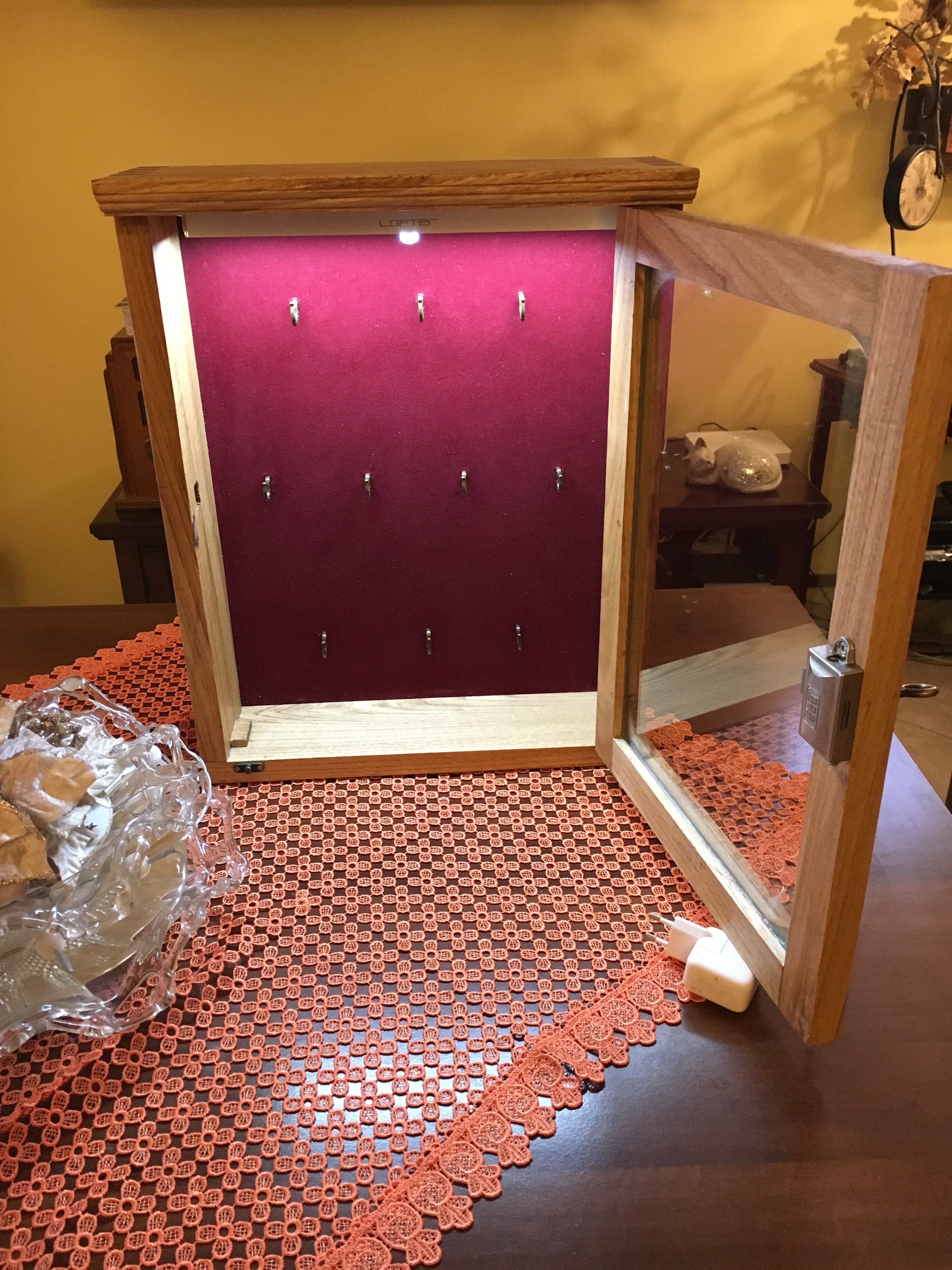
________________________________________________________________________________
One of the first problems for a DIY woodworker , before starting any project, is the choice of the right type of wood, that is, the wood that best suits, for its characteristics and color, the product to be made. As we have seen in a previous article, there are many species of wood in nature, each with its own specific features, which in fact make it more suitable for use than another. In this article I would like to do something different from the usual tips found on the net. Narrate the path, mental and physical, that each of us can follow to get to the realization of the finished product, starting from the simple idea up to its complete realization. The idea of making something can arise from different needs. There may be a real need, such as having to make something useful (or less useful) for the home, (which can be a cabinet for the living room, a wardrobe or shelves for a children’s bedroom, a small table, a simple jewelry box, etc.). Or want to create something to give it away or even to sell it. Depending on our need, it is important to understand who the object is directed to and what its intended use will be. For example, if we want to make a shelving unit for our garage, it won’t need to be particularly beautiful, but surely it will have to be solid and functional and then the plywood could be fine. If, on the other hand, we were to make a showcase for our living room, then we would probably have to orient ourselves on solid wood, in addition to trying to create the object with certain construction criteria, so that it is objectively beautiful to look at. If, on the other hand, the object to be built is intended for another person, as a gift or as a sale, then other factors come into play. If we know who it is directed to (whether it is a gift, or that it has been commissioned from us), it is important to understand the tastes of the person, where the object should be placed, how long to finish it, etc. In particular, if the object has been commissioned, it will be important to understand well what the buyer wants, to clarify, before starting, all the construction aspects, timing and prices. Finally, if the object to be created is directed to an audience of possible buyers (for example, we think about selling on any online trading platform or if we wanted to create our own physical shop), the discussion is considerably broadened, but also in this case, it is above all to understand what we want to achieve and above all to whom we want to turn, or to which target customers we are aiming for. Many aspects that I would like to discuss in the future, in a dedicated post. However, once we have clarified what we want to do, for whom we have to do it, its end use, positioning, timing and costs, here we can finally start planning something. So, paper and pencil (or sketchup if you are more modern than me) and start putting your idea in black and white. Take a squared exercise book, a ruler, an eraser and a pencil sharpener, in addition to the pencil and pen, to be able to mark the measurements of your object, always making sure that the object enters / passes then physically into / from its final destination (evaluate therefore also the various passages from the doors and windows of the house, the possible encumbrance and if the object is then transported to another location). Imagine your object in three dimensions and make a sketch first, always drawing it from various angles (face and side) and then define it more and more in the details, trying not to leave out any detail, even if it seems irrelevant. When you are satisfied with the aesthetics, then start sizing the drawing, transferring it to another sheet and adding its final measurements alongside each tracing. Do not be afraid to change your mind, write and cancel many times until you are sure of your realization, because in this phase, often underestimated, it is easy to make mistakes but it is also easy to correct them. Take the measurements more than once, evaluate any dimensions (such as the openings of the drawers and doors), and any obstacles (such as radiators, lamps, etc.) and, if the object to be made is very large, never underestimate the height element. Finally, write on the side of the drawing, or on a separate sheet, the list of cuts, or how much wood you will need to make your object. The advice is always to buy more wood than is really necessary. This is because the inconvenience is always around the corner. A badly cut piece, an incorrect size and here the wood will no longer suffice, forcing you to stop your work and go back to buying. Eventually, however, you have been so good and things have gone according to your plans, the advanced wood will still be useful for other projects. Once you have defined shapes, dimensions and final measures (and based on these, marked how much wood you need), you will have to evaluate which type of wood is best suited to your needs. If the product goes outside, it is better to choose a wood that well withstands temperature changes and humidity. For example, fir wood can be suitable for the exterior as long as it is properly treated with several coats of impregnating agent. If it goes inside and must be put on display, then choose a good solid wood, perhaps with a beautiful grain that can be highlighted during the finishing phase. If it has to bear heavy loads, consider greater wood thicknesses, such as if you need to make shelves. If you have to create chairs, choose a solid and flexible wood such as beech, and so on. Another factor to consider is the color of the wood and its varnish. For example, pine and fir are easy to find (especially the latter) and at affordable costs and are often chosen precisely for these characteristics but, being light woods and wanting them to be colored dark (as often happens), the the result will be disappointing because, being conifers, the painting will be patchy. If you want to make a piece in plywood, the same goes for it. The plywood has excellent resistance characteristics and is at an affordable price but it is difficult to finish with the painting, (as long as you are satisfied with the result). If you need to make coatings or supports for your laboratory or garage, in addition to the plywood, you can consider the OSB or the MDF. Especially the former has become very fashionable lately (due to its design and low price) but remember that it is difficult to work with, it breaks easily and cannot be painted. So it is especially good for paneling or small characteristic objects. Always remember that not all soft woods can be easily painted with dark finishes (as mentioned above) and the use of impregnating agents (colored and non-colored) is a must for pieces that are intended for the exterior. Try to avoid chipboard which is poorly sealed and has zero workability. Finally, we will have to evaluate the economic factor. It is at this stage that our dreams often break with harsh reality. Beauty and quality do not match the cost factor. The best woods obviously have higher prices and very often, when we discover the prices of wood, we find ourselves forced to downsize our projects, if not even to give up. Hence the danger of making wrong decisions. Let’s think for example of a locker for children. Nice to be able to do it yourself, according to our needs and our tastes, but if the price of wood is objectively too high, if to build it we have to buy equipment that maybe we don’t have, buy paints, glues, various hardware etc. and maybe spending many hours of work, here you are led to believe that perhaps it is not worth it and that you save and do it first to buy one already made. This is because it is very likely that what we want has already been created by some large company, sold at a lower price than it would cost us and perhaps with free delivery and assembly. All with a simple click on the internet. Or, more simply, the costs to be incurred to make it yourself still seem too high and you decide to fall back on a cheaper material or save something, perhaps by decreasing the size of the object or remaining more risky on the amount of wood to buy. In all these cases, doubts and perplexities are generated to which it is difficult to give an univocal answer, because it is highly subjective. Personally I think that unless you have to make a six-door wardrobe or a whole living room or you have to buy all the equipment from scratch because you don’t have it completely, it is always worthwhile to make something yourself, either because it is widely customizable, or just for the satisfaction of having done it ourselves (maybe with manual tools, as I like it). On the market, however, there are also beautiful woods at an affordable price. A pleasant discovery, made about a year ago, was toulipier wood. A light, hard wood, beautiful to look at and easy to work with, it can also be painted very well with dark colors, which make it very similar to walnut once finished, and moreover at an absolutely affordable cost. The only problem, if anything, could be that of availability: it is certainly not found in Brico. The speech changes if you have to make an object for another person. The costs in this case are fundamental and what you will have to spend in order not to overstep the budget must be certain and transparent from the outset. The economic factor is directly connected to the next step, that is where to buy the material we need. Is it better to contact an online dealer or at the Brico or a wood supplier? Let’s start with the most comfortable choice, but in my opinion the most risky. Buying online on some specialized site is certainly the easiest thing. Comfortably seated at the home computer, we take all the time to look at the various proposals, evaluate the prices and take advantage of home delivery. The best-stocked sites then offer for sale some wood (small woods) of essences that are difficult to find in the sawmills near the house. However, there are also negative aspects. We cannot see and touch live the wood we buy (although the most serious and reliable sites insert photos of every single piece they sell, photos not only demonstrative, complete with all the features and sizes), and there is always the uncertainty that the goods arrive at home ruined or not in accordance with what we ordered. I repeat, however, a lot depends on the seriousness of the retailer. A site where I purchased and where I found myself well and which corresponds to the description made above is the following:
https://www.bricolegnostore.it/
The Brico, among the various choices available, is perhaps the one that everyone thinks of as the first option. This is because they are always close to home, you can go at any time (especially on weekends) and watch to choose how long you want. But the positive notes unfortunately end here. The prices are higher than elsewhere, there is very little choice, especially of solid wood (excluding the usual fir, usually of low quality), and the presence of many plywood, OSB, MDF and chipboard, all to meet the desire cost-effectiveness by the customer. Even on these references, however, the prices are higher than the common wood suppliers and cutting to size is often offered for a fee. Therefore, the suppliers of wood remain. I left them last because I think they are the best choice (even if it is the most uncomfortable way to follow), and for which I would like to deepen the discussion. Until a few years ago, the suppliers of wood were the exclusive territory of the professionals in the woodworking sector. Large companies that bought entire trucks of wood or small woodworkers for their needs, however specialized operators in the sector with large needs for material. Times have changed today. Due to the economic crisis, the requests in this sector have dropped, many companies have closed or are in extreme difficulty and therefore the volume of business has significantly reduced. Here, thanks also to the expansion of the so-called bricolage (or do it yourself), the wood suppliers have also opened their sheds to simple weekend hobbyists. Not that before access was forbidden, we would miss it, but times have changed. The private sector, first seen as a nuisance, now takes on its own value, albeit limited. So why choose the timber supplier? First of all because the prices are absolutely lower than Brico and online sales. Second, for the great variety of solid wood of the most precious species (in the various forms of boards, blockboards, morals, beads, etc.) that you can find, in addition of course to the various types of derived wood (such as, for example, plywood, OSB, particleboard, MDF) with the possibility of requesting the desired cuts and also to find the bark at affordable prices. Furthermore, the security of bringing home what you can see and touch, all with the due limits and ways that I will say below. Finally, the opportunity to speak with real experts in the sector, to whom to ask for advice on purchasing the material. If anything, the problem will be figuring out which supplier to turn to. This mainly depends on where we live. There are more fortunate areas where, traveling a few kilometers by car, we can find many suppliers. Other areas instead where you have to travel a long distance before finding one. The advice I can give, at least for the first few times, is to try a lot and try, even at the cost of getting away from home a lot. Very often the supplier behind the house, for many reasons, is not the right choice for us, while the one at 20 km could be. So don’t fossilize yourself on the first one you find but try to buy in more places, at least at the beginning, and then choose a trusted one, which however will not remain the only one, but with which you can still establish the right relationship of trust and confidence . Now some practical advice on how to behave before going to a timber supplier. The staff present is busy with internal work and often has to do with professionals who purchase large quantities of wood. The precedence obviously goes to them and therefore we must think of going in less congested times. So it is better to be late in the morning or early afternoon and never at closing time. Prepare to have to wait a little before being served and do not expect the everything immediately. The sheds are large and the staff is always small and, as mentioned, often busy with other needs. We always prepare the list of the material we need written on a sheet with the number of necessary pieces and the well-specified and understandable measures, preferably in millimeters, with length, width and thickness, in addition of course to the type of wood desired. Let’s prepare a double sheet so that if we were asked to leave the list of cuts and to return we will always have a copy for us. Always go with clear ideas to know what we want to buy. Let’s always keep an alternative to the wood we want. If oak were not available, perhaps chestnut could also be fine. Our requests, then, must be at least timely. Needless to report to the person we need to make a piece of furniture and give him the measurements: it will instead be necessary to provide the measurements of the cuts he will have to make. For example, we will not be able to expect the operator to immediately put us at our service by preparing 100 pieces of plywood of 50 x 20 x 1 cm, but, assuming they do this type of service, we will be asked to leave the list and to come back. It is also useless to ask to choose a particular board within a stack, unless we are in enormous confidence with the seller or we pay him the time lost to open the whole stack. Often the best boards are located inside the package and are not physically accessible. So we will have to take into account that we will have to settle for the boards above, let’s say those at hand, even if they have some defects. Often, in fact, obtaining the pieces we need from a board or a panel means losing millimeters of thickness of wood, all material that we pay but that goes off in sawdust. In fact, the waste of wood is always to be taken into account when buying in a sawmill, but it also often happens that from the leftover cuts something that is left to the buyer without being paid. When buying, however, it is always advisable to check carefully what is delivered to us. Sometimes there may be errors in the quantities or sizes, due to haste or otherwise, or the material may not conform, presenting significant defects. Very often some types of wood show evident cracks on the head of the boards or considerable bows. Usually they are already discarded upstream by the seller but if this does not happen we can possibly agree asking for a price reduction. Very often we can find pieces of scrap from the suppliers of wood, the so-called cortame, which are nothing more than small wooden pieces of non-marketable sizes and / or which, having small defects, are sold at discounted prices, boards that at hobbyists can still be very useful. Finally, we can find wood already planed or planks still in the raw state with or without bark. Some timber suppliers work more with particular species of wood than others. With experience we will learn which retailers always have chestnut and walnut available, and which oak or national walnut instead. Instead, everyone will always have fir, pine and various birch, poplar, plywood available. Finally, we go to buy with a suitable vehicle. If we have a van there are no problems. If we go with the car we think above all about the length of the boards to be loaded compared to the size of our car. Two meter long boards usually enter even on small cars. The 4-meter board will have to be cut. We also carry behind cartons or blankets to prevent wood from ruining the inside of the car. Once at home we think about storage. If we think of working wood immediately there are no particular problems. Usually the wood purchased in the sawmill is seasoned. But if we plan to leave it stationary for months, then we have to estimate that the material can further season by creating shrinkage, expansion and embedding phenomena. Depending on the space we have in our garage, we try to favor a relaxed position and not in contact with damp walls or floors, favoring a good air circulation. Eventually we can think of dyeing the heads of the wood or covering them with glue to counteract the phenomenon of cracks. The final phase will be that of the making of the artefact. Few simple tips. Work calmly, proceed step by step, think carefully about what you are doing, take the measurements two or three times if necessary before cutting, always use well-sharpened tools if you work by hand and give importance to safety also through the protection devices individual when working with machinery. Never get to work if you are tired and always operate in optimal environmental conditions, therefore with excellent lighting and good air circulation. As for the actual processing, it would be impossible to talk about it in this article, for obvious reasons. And then, otherwise, what would my blog do?


 CREAROBI
Lascia un commento