AFFILATURA DEGLI SCALPELLI E DELLE LAME DELLE PIALLE. LE PIETRE DIAMANTATE / SHARPENING CHISELS AND PLANE IRONS. DIAMOND SHARPENING STONES
English translation at the end of the article Un po’ di tempo fa avevo parlato dell’affilatura delle lame delle pialle e degli scalpelli. In quei post avevo accennato anche ad alcuni ausili indispensabili per il procedimento. Si tratta delle pietre di affilatura e delle guide. Nello specifico, mentre delle guide potremmo fare anche a meno, potendo affilare a mano libera, per le pietre il discorso cambia,
essendo praticamente impossibile affilare le lame senza avere una superficie di riscontro sulla quale poter abradere. Vediamo adesso nello specifico cosa sono le pietre diamantate e come si usano.
Le pietre diamantate sostanziano l’ultimo ritrovato in fatto di pietre abrasive. Prima di queste erano già sul mercato le pietre ad acqua, ad olio ed in ceramica oppure si utilizzava la carta abrasiva (c.d. sistema scary sharp), oltre ovviamente alle mole a secco o ad umido.
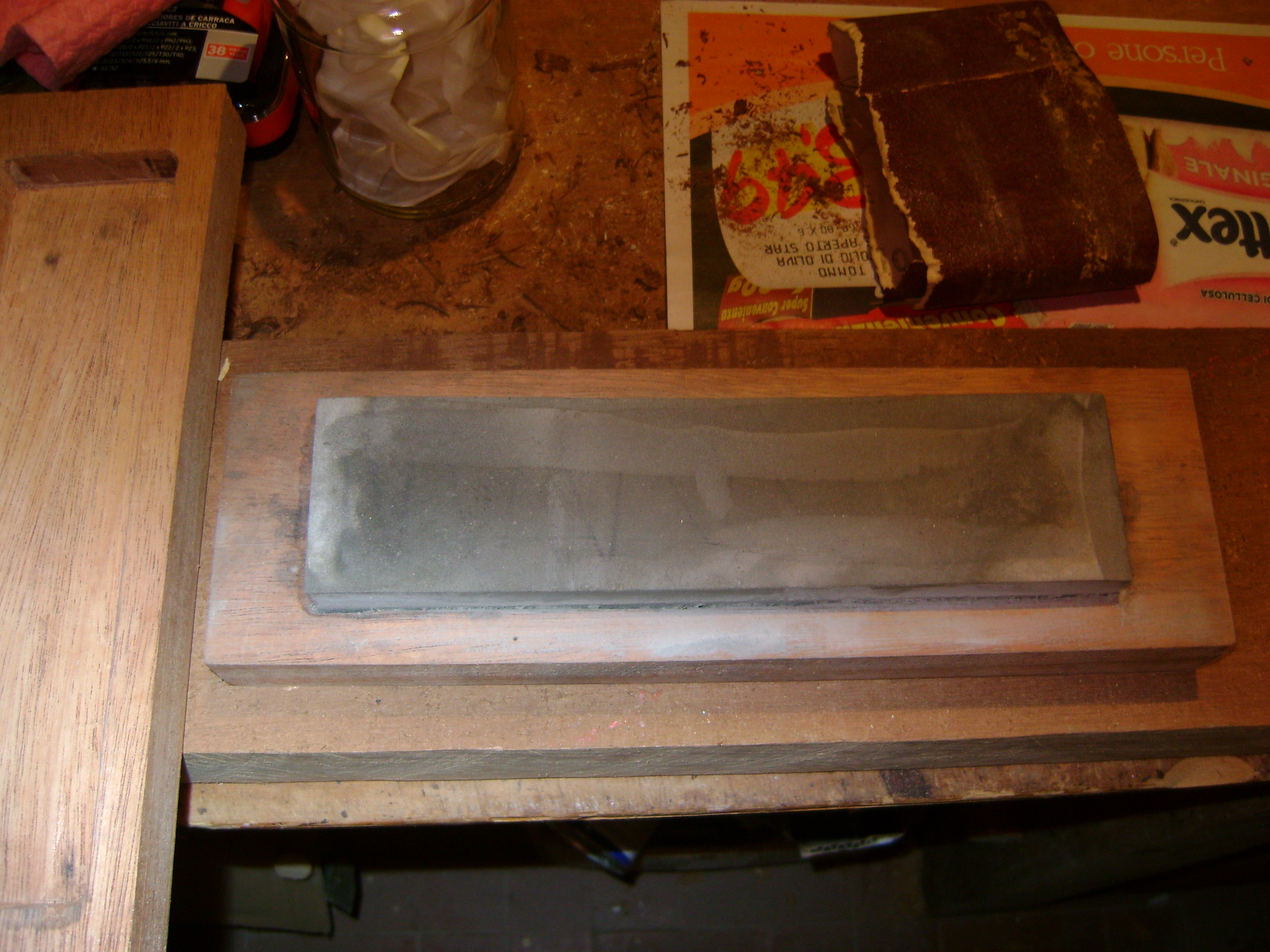
Qualunque materiale o tecnica si utilizzi questi presenteranno sempre vantaggi e svantaggi. Ad esempio, le pietre ad acqua e ad olio sono particolarmente efficaci, arrivano ad elevati gradi di affilatura e sono economiche ma per contro sporcano parecchio, necessitando di molto lubrificante (acqua o olio per l’appunto) perché funzionino a dovere. Inoltre hanno la tendenza a diventare concave dopo un po’ che si utilizzano e necessitano quindi di essere a loro volta spianate periodicamente con l’ausilio di altre pietre di rettifica.
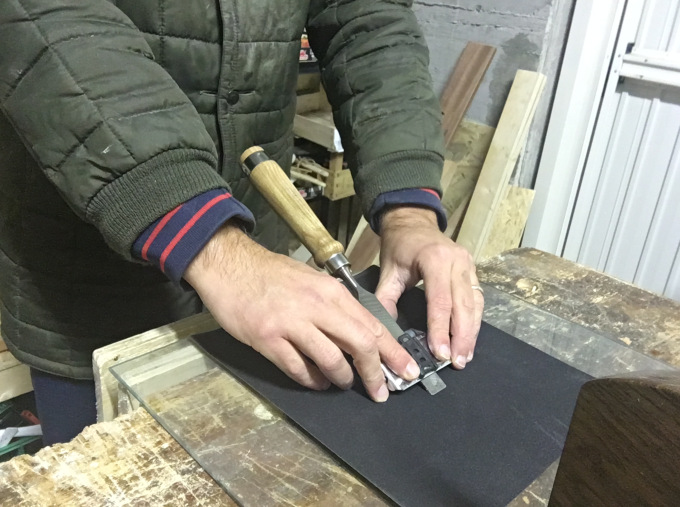
Il sistema scary sharp invece prevede l’utilizzo di varie grane via via crescenti di carta abrasiva incollate su una superficie assolutamente piatta (ad esempio una lastra di vetro, di MDF, o di granito) e di spessore consistente (almeno 1 cm. al fine di prevenire avvallamenti). Questo sistema è molto semplice da applicarsi ed anche economico, sempre a condizione che non si debba affilare molto. Questo perchè anche la carta abrasiva ha comunque un suo prezzo e se dobbiamo affilare molte lame il beneficio economico verrà subito meno. Il sistema rimane comunque molto utile per riprendere, ad esempio, biselli particolarmente malmessi o per drastiche variazioni di inclinazione, utilizzando carte molto aggressive (tipo grana 60 o 80), e se non vogliamo ricorrere alla mola.
Il consiglio comunque è quello di passare fin da subito alle pietre, diamantate o non. Le pietre diamantate sono delle lastre di acciaio o di alluminio sulle quali sono stati inseriti degli strati di granuli o particelle di diamante tenute assieme da una lega di nichel. Il diamante è un elemento molto duro e questo fa sì che questo tipo di pietre siano particolarmente efficaci nel rimuovere velocemente grosse quantità di materiale. D’altra parte proprio questa loro caratteristica fa sì che non siano in grado di produrre un’affilatura fine o addirittura a specchio.
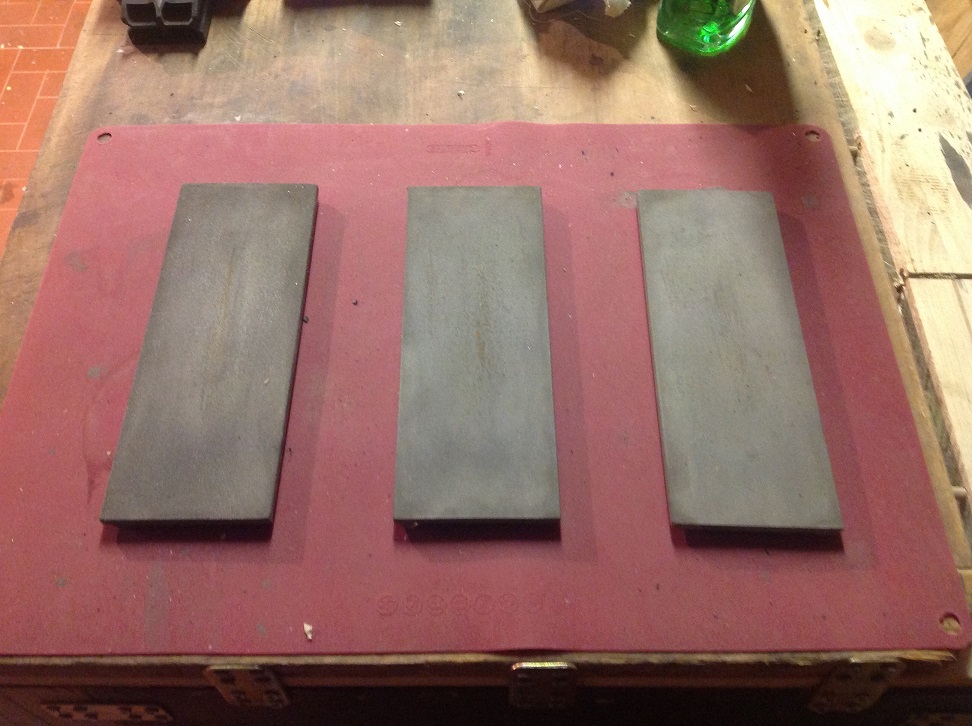
Infatti queste pietre sono commercializzate con grane (grit)che vanno da molto aggressive (140 grit – extra coarse) ad aggressive (250 grit – coarse), a medie (400 – 600 grit medium) fino a fine e extra fine (800 – 1200 grit). Per grane ancora più fini, indispensabili per ottenere un’affilatura performante, bisogna giocoforza utilizzare una o più pietre ad acqua o ad olio che consentano di affilare almeno fino a 6000 / 8000 grit, grane alle quali, come detto, le pietre diamantate non arrivano. Ecco perché le pietre diamantate sono utilizzate soprattutto per rettificare un angolo di affilatura in maniera veloce ma non per ottenere un’affilatura fine e a specchio, almeno non utilizzandole da sole. Di contro hanno la caratteristica di rimanere piane per lunghissimo tempo e quindi, teoricamente, non abbisognano di pietre di rettifica. Inoltre sono particolarmente durevoli. Più precisamente, appena aperte e messe al lavoro non sono particolarmente efficaci in quanto ci vuole un minimo di tempo affinché le particelle di diamante vengano rilasciate dalla lega di nichel ed esposte in superficie. Ma dopo questo brevissimo periodo avremo un’ alta capacità abrasiva che comunque, dopo un certo tempo, calerà a sua volta, per fare il posto ad un lunghissimo periodo di media capacità abrasiva, per poi cessare definitivamente. Ecco perché quando si dice che le pietre diamantate sono eterne non è esattamente la verità. Certamente hanno una più lunga durata (durante l’affilatura, come accennato, vengono continuamente esposte nuove particelle abrasive), possiedono una maggiore efficacia abrasiva e una più alta capacità di rimanere piane rispetto alle altre pietre. Ma hanno comunque anche loro un ciclo di vita destinato ad esaurirsi.
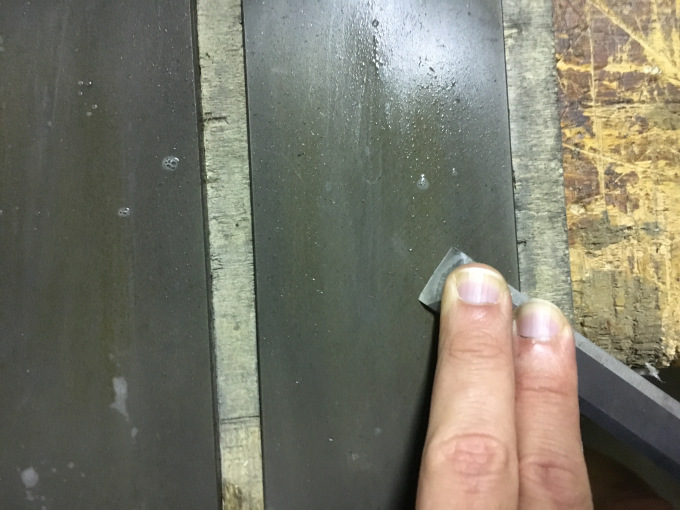
Tutto comunque è relativo e molto dipende da quante volte affiliamo. Solitamente vengono utilizzate spruzzandoci sopra un po’ di acqua così da non far scaldare troppo le lame durante l’affilatura e portare via più facilmente i residui dell’affilatura. Inoltre, a detta dei produttori, mantenerle bagnate durante l’uso ne prolunga la durata. L’accortezza è quella di pulirle ad ogni fine ciclo di affilatura per evitare che si creino piccole zone di ruggine. Le pietre diamantate inoltre non sporcano quanto le altre pietre, impiegando solo pochissima acqua, non si creano avvallamenti e quindi non abbisognano di altre pietre di rettifica. Purtroppo non costano poco, specialmente quelle con grane grosse. Il prezzo comunque varia molto anche dal tipo di marca che acquistiamo. Le Eze Lap, ad esempio, sono ottime pietre diamantate e sono più economiche rispetto ad altre marche come ad esempio le Atoma e le DMT (di cui sono molto apprezzate le DIA sharp, con doppia superficie abrasiva a diversa grana). A detta di molti però la resa e la planarità delle pietre di questi due ultimi produttori sono migliori rispetto alle Eze Lap. Di seguito un link dove poterle acquistare.
Quali pietre acquistare, con quale grana, di quale misura e marca dipenderà in larga parte dalle nostre esigenze personali. Di seguito scrivo come mi sono adattato io, in base alle mie necessità, riprendendo il metodo di affilatura insegnato da Paul Sellers (il procedimento illustrato vale per l’affilatura del bisello della lama, ma è sostanzialmente uguale per la spianatura del dorso). Per vedere nello specifico l’intero processo di affilatura con le pietre vi rimando a questo post:
Affilare gli scalpelli e le lame delle pialle / Sharpening chisels and plane irons
e a questo breve filmato:
https://m.youtube.com/watch?v=0OmwBneOjkM
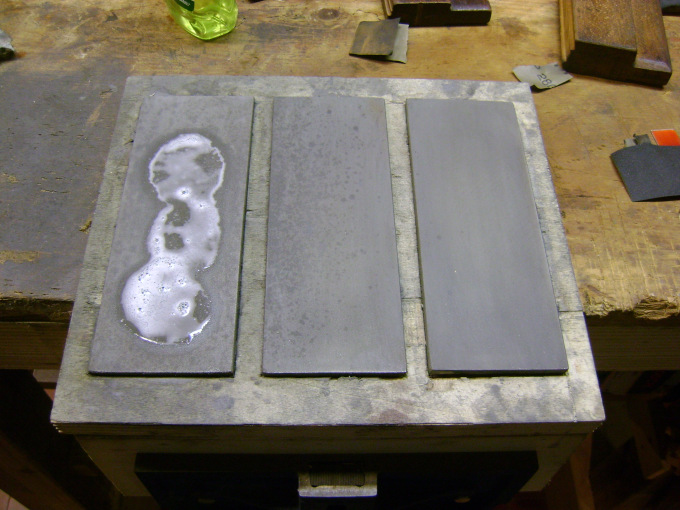
Qualche anno fa acquistai tre pietre diamantate su Amazon.com, quando ancora avevano un prezzo abbastanza accessibile. Sono pietre della Eze Lap, un marchio storico nella produzione di questo tipo di pietre, che unisce qualità ed economicità. La grandezza delle pietre è 203 mm. X 76 mm ed uno spessore di 6 mm. Consiglio questa misura per avere spazio sufficiente anche per l’affilatura delle lame delle pialle più grandi.
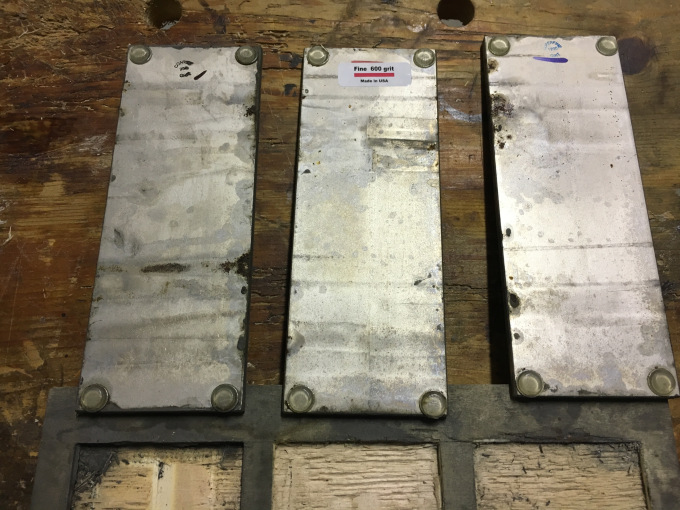
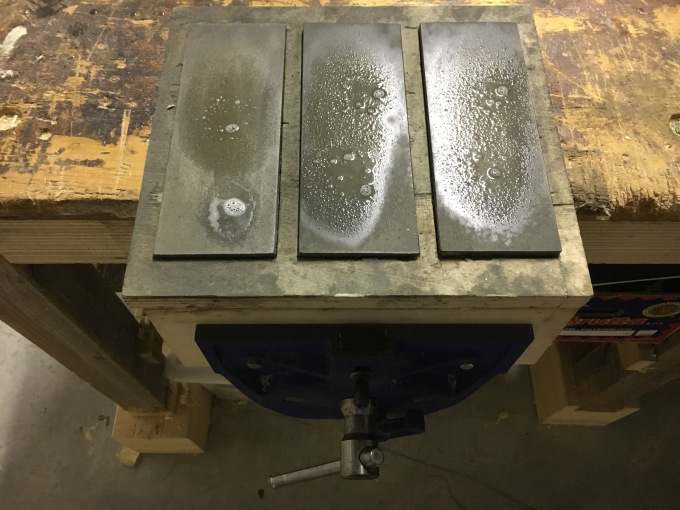
Le pietre sono provviste di 4 piedini in gomma antiscivolo così da poter essere usate individualmente poggiate sul banco. In commercio si trovano comunque dei comodi supporti. Col tempo ho trovato però utile costruirmi un supporto in multistrato in grado di ospitare le pietre una di fianco all’altra.

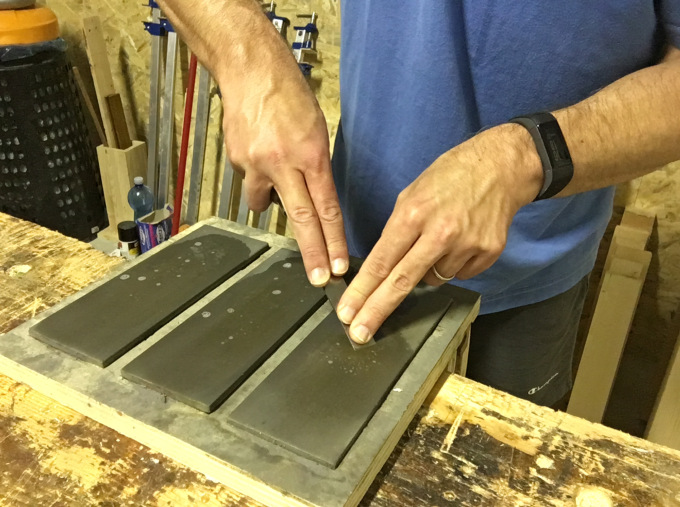
Partendo da sinistra una pietra coarse 250 grit, al centro una pietra medium 600 grit, a destra una pietra super fine a 1200 grit. Spruzzo prima un po’ di detergente per vetri sulle pietre e comincio ad affilare partendo dalla grana 250.
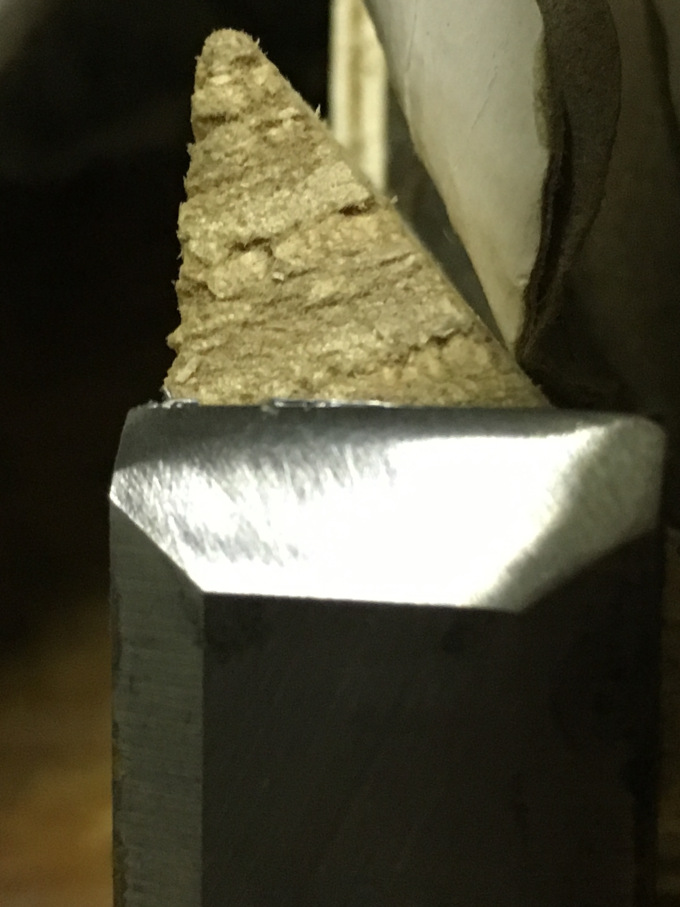
Quando sento che si è creata una bava consistente sul bisello della lama, NON elimino la bava ma passo alla pietra intermedia grana 600 per eliminare i graffi lasciati dalla precedente pietra. Infine dopo qualche passata (verifichiamo ad occhio lo stato del tagliente) finisco sulla terza pietra a 1200 grit per eliminare i graffi della precedente pietra.
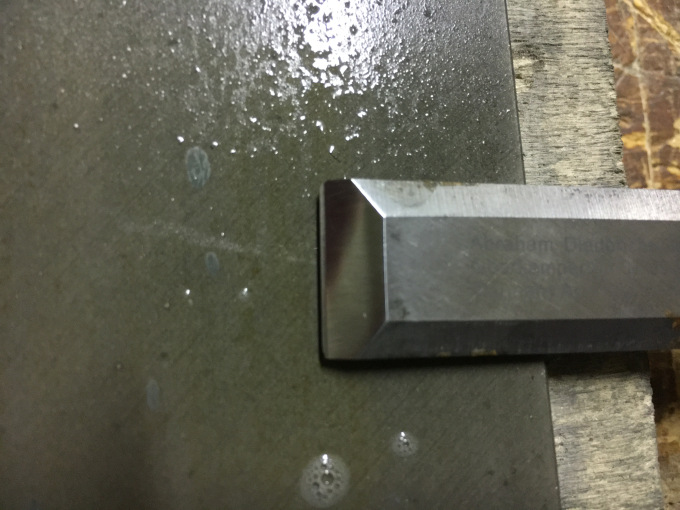
Infine faccio due piccole passate a ritroso sul dorso della lama, tenendola ben adesa alla pietra e vicino al tagliente, per rimuovere definitivamente la bava. A questo punto pulisco le pietre con uno straccio eliminando tutti i residui e le ripongo per passare alla lucidatura del bisello. La lama a questo punto sarebbe sufficientemente affilata ma non perfetta per il nostro lavoro. Per esserlo sono percorribili due strade. La prima, non esistendo pietre diamantate in grado di affilare oltre 1200 grit, ci costringerà a rifinire il bisello con una pietra ad acqua come ad esempio una pietra combinata King 1000/6000, (di cui sotto trovate il link), e poi rifinire con una pasta abrasiva per la lucidatura del bisello.
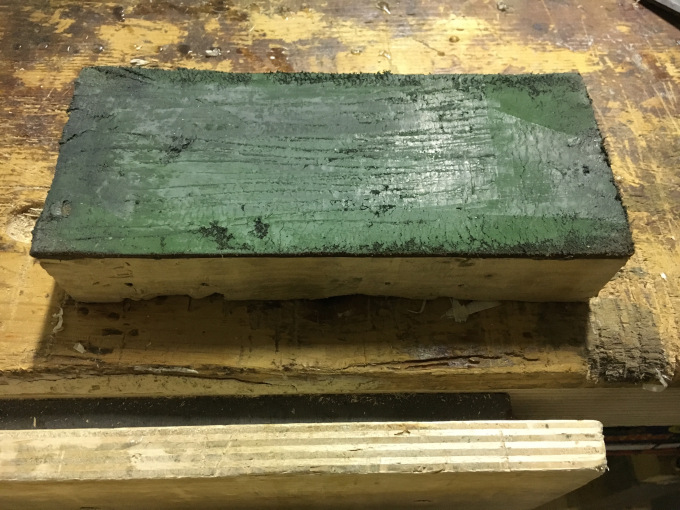
La seconda strada, quella percorsa da Paul Sellers e utilizzata da me, prevede di passare direttamente ad una pasta abrasiva specifica a 10000 grit, (sotto trovate il link), andando comunque benissimo anche una comune pasta abrasiva da carrozziere.
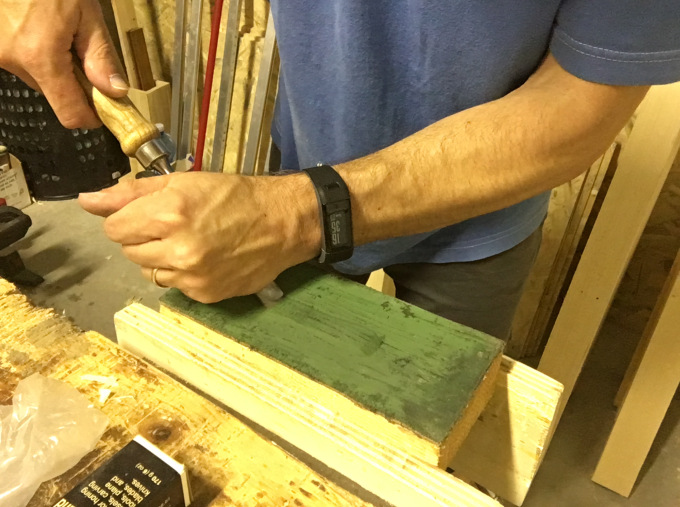
Quindi, su una tavoletta di multistrato di circa 5 cm. di spessore, ho incollato una striscia di pelle con la parte ruvida rivolta verso l’alto, creando di fatto il c.d strop. Bloccato nella morsa, carico lo strop con la pasta abrasiva e passo circa 30/40 volte il bisello della lama sempre in un movimento a ritroso per evitare di infilare il tagliente nel rivestimento. Quindi due passate finali, sempre a ritroso, sul dorso, vicino al tagliente e l’affilatura è finita.

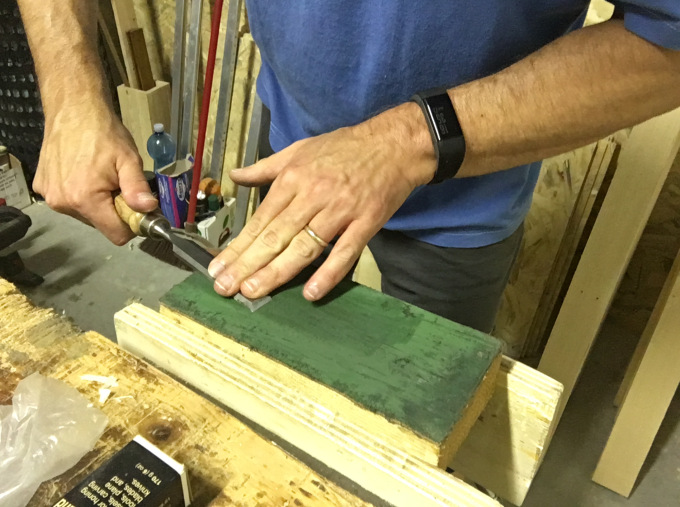 Non ho termini di paragone se effettivamente, usando una pietra intermedia ad acqua tra le pietre diamantate e lo strop, si possa ottenere una migliore affilatura. A detta di molti sembrerebbe di sì, ma per esperienza personale posso comunque dire che anche con questo metodo le pialle lavorano bene, così come gli scalpelli tagliano efficacemente. In un prossimo futuro conto comunque di acquistare una pietra 1000/6000, per vedere se effettivamente riesco ad ottenere risultati migliori. Infine alcune note a livello generale. Cerchiamo di sfruttare tutta la superficie della pietra durante l’affilatura e non utilizzare solo la parte centrale; ruotiamo le pietre ogni tanto così da portare la parte lontana più vicino a noi; la pietra che tende a consumarsi di più è quella a grana grossa perchè la più utilizzata: elemento da considerare in fase di acquisto. Infine, se ne consiglio l’acquisto? Assolutamente si.
____________________________________________________________________________________________
Some time ago I talked about the sharpening of the plane irons and chisels. In those posts I also mentioned some essential aids for the procedure. These are the sharpening stones and the guides. Specifically, while we could also do without guides, being able to sharpen freehand, for the stones the matter changes, being practically impossible to sharpen the blades without having a surface on which to abrade. Let’s now see specifically what diamond stones are and how they are used. Diamond stones substantiate the latest found in abrasive stones. Before these, water, oil and ceramic stones were already on the market or abrasive paper was used (so-called scary sharp system), in addition of course to dry or wet grinding wheels.
Whatever material or technique you use these will always have advantages and disadvantages. For example, water and oil stones are particularly effective, they reach high degrees of sharpening and are inexpensive but on the other hand they get dirty a lot, requiring a lot of lubricant (water or oil precisely) in order to work properly. They also have a tendency to become concave after a while that they are used and therefore need to be smoothed out periodically with the help of other grinding stones. The scary sharp system, on the other hand, provides for the use of various gradually increasing grits of abrasive paper glued on an absolutely flat surface (for example a glass, MDF, or granite slab) and of consistent thickness (at least 1 cm. in order to prevent dips). This system is very simple to apply and also inexpensive, as long as you don’t have to sharpen too much. This is because even the abrasive paper still has its price and if we have to sharpen many irons the economic benefit will be immediately less. However, the system remains very useful for resuming, for example, particularly badly rounded bevels or for drastic changes degrees of the bevel, using very aggressive papers (type 60 or 80 grit), and if we do not want to use the grinding wheel. The advice, however, is to go immediately to the stones, diamond or not. The diamond stones are steel or aluminum plates on which layers of diamond granules or particles have been inserted held together by a nickel alloy. The diamond is a very hard element and this means that this type of stones are particularly effective in quickly removing large quantities of material. On the other hand, it is precisely this characteristic that makes them unable to produce a fine or even mirror sharpening. In fact, these stones are marketed with grits that range from very aggressive (140 grit – extra coarse) to aggressive (250 grit – coarse), medium (400 – 600 grit medium) up to fine and extra fine (800 – 1200 grit). For even finer grits, indispensable for obtaining a high-performance sharpening, it is necessary to use one or more water or oil stones that allow to sharpen at least up to 6000/8000 grit, grits to which, as mentioned, the diamond stones do not reach . This is why diamond stones are mainly used to grind a sharpening angle quickly but not to obtain a fine and mirror sharpening, at least not by using them alone. On the other hand, they have the characteristic of remaining flat for a very long time and therefore, theoretically, they do not need grinding stones. They are also particularly durable. More precisely, brand new and put to work are not particularly effective as it takes a minimum of time for the diamond particles to be released from the nickel alloy and exposed on the surface. But after this very short period we will have a high abrasive capacity which, however, after a certain time, will in turn drop, to make way for a very long period of medium abrasive capacity, and then permanently cease. That is why when it is said that diamond stones are eternal it is not exactly the truth. Certainly they have a longer duration (during sharpening, as mentioned, new abrasive particles are continuously exposed), they have a greater abrasive efficiency and a higher ability to remain flat compared to other stones. But they also have a life cycle destined to run out. However, everything is relative and much depends on how many times we sharpen. They are usually used by spraying a little water on them so as not to overheat the irons during sharpening and to take away the residues of the sharpening more easily. In addition, according to the manufacturers, keeping them wet during use prolongs their life. The forethought is to clean them at each end of the sharpening cycle to prevent small areas of rust from being created. The diamond stones also do not soil as much as the other stones, using only very little water, do not create depressions and therefore do not need other grinding stones. Unfortunately, they are not cheap, especially those with coarser grits. However, the price also varies a lot from the type of brand we buy. The Eze Lap, for example, are excellent diamond stones and are cheaper than other brands such as the Atoma and the DMT (of which the DIA sharp, with double abrasive surface with different grits are highly appreciated). According to many, however, the yield and flatness of the stones of these two last producers are better than the Eze Lap. Below is a link where you can buy them.
Which stones to buy, with which grits, which size and brand will largely depend on our personal needs. Below I write how I adapted, according to my needs, taking up the sharpening method taught by Paul Sellers (the illustrated procedure applies to sharpening the bevel of the blade, but it is basically the same for flattening the back). To see specifically the whole process of sharpening with stones I refer you to this post:
Sharpen the chisels and blades of the planers / Sharpening chisels and plane Irons
and to this video:
https://m.youtube.com/watch?v=0OmwBneOjkM
A few years ago I purchased three diamond stones on Amazon.com, when they still had a fairly affordable price. They are stones of the Eze Lap, a historical brand in the production of this type of stones, which combines quality and economy. The size of the stones is 203 mm. X 76 mm and a thickness of 6 mm. I recommend this measure to have enough space also for sharpening the irons of the larger planes. The stones are equipped with 4 non-slip rubber feet so that they can be used individually placed on the bench. However, there are comfortable supports on the market. Over time, however, I found it useful to build a plywood support able to accommodate the stones side by side. Starting from the left a coarse 250 grit stone, in the center a medium 600 grit stone, on the right a super fine stone at 1200 grit. I first spray a little glass cleaner on the stones and begin to sharpen starting from the 250 grit. When I feel that a consistent burr has been created on the bevel of the blade, I DO NOT eliminate the burr but I go to the intermediate stone 600 grit to eliminate the scratches left by the previous stone. Finally after a few passes (we check the state of the cutting edge) I end up on the third stone at 1200 grit to eliminate the scratches of the previous stone. Finally, I make two small passes backwards on the back of the blade, holding it firmly against the stone and close to the cutting edge, to permanently remove the burr. At this point I clean the stones with a rag removing all residues and put them back to polish the bevel. The blade at this point would be sufficiently sharp but not perfect for our work. To be so, two roads are practicable. The first, since there are no diamond stones capable of sharpening over 1200 grit, it will force us to finish the bevel with a water stone such as a combined King 1000/6000 stone, (of which you will find the link below), and then finish with an abrasive paste for polishing the bevel.
The second road, the one used by Paul Sellers and used by me, plans to go directly to a specific abrasive paste at 15000 grit, (below you will find the link), however, a common car body abrasive paste is also fine.
Then, on a plywood piece of wood of about 5 cm. thick, I glued a strip of leather with the rough part facing upwards, effectively creating the so-called strop. Stuck in the vice, I load the strop with the abrasive paste and step about 30/40 times the bevel of the blade always in a backward movement to avoid inserting the cutting edge into the coating. Then two final passes, always backwards, on the back, near the cutting edge and the sharpening is finished. I have no comparison if actually, by using an intermediate water stone between the diamond stones and the strop, a better sharpening can be obtained. According to many it would seem so, but from personal experience I can still say that even with this method the planers work well, as the chisels cut effectively. In the near future, however, I plan to buy a 1000/6000 stone to see if I can actually get better results. Finally some general notes. We try to exploit the entire surface of the stone during sharpening and not use only the central part; we rotate the stones occasionally so as to bring the distant part closer to us; the stone that tends to wear the most is the coarse one because we use it most: let’s keep it in mind when we buy them. Finally if I suggest to buy them? Absolutely yes.


 CREAROBI
Lascia un commento