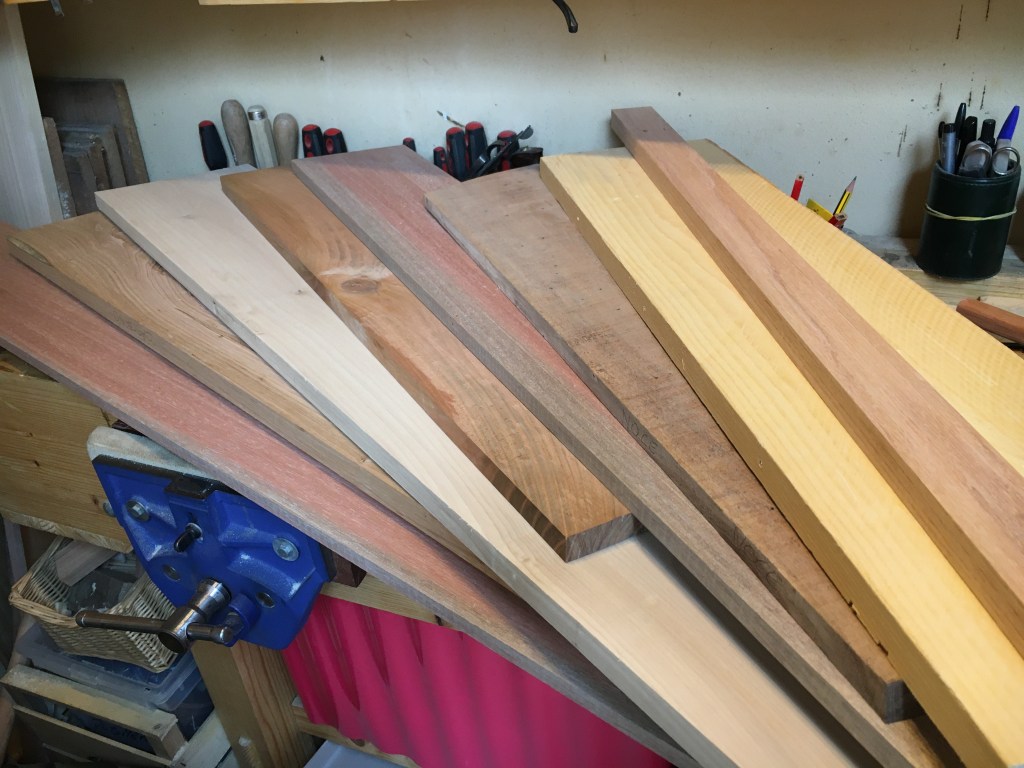
IL LEGNO E LA SUA LAVORAZIONE MANUALE. CLASSIFICAZIONI DEL LEGNO / WOOD AND WOODWORKING BY HAND. CLASSIFICATIONS OF WOOD
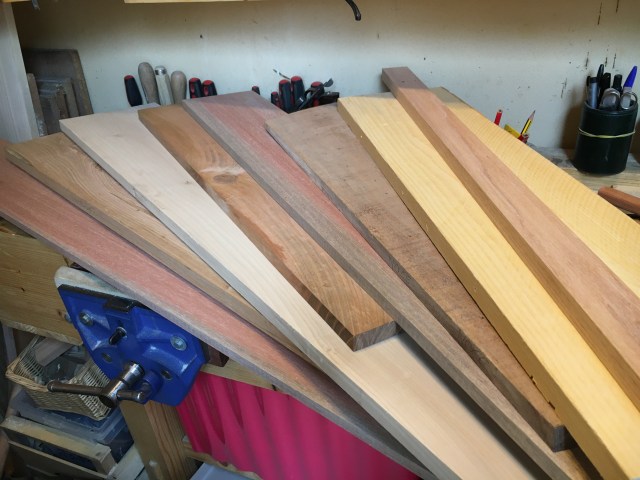
English translation at the end of the article
In commercio esistono circa 12.000 specie di legno. Da questo dato si evince la grande eterogeneità di questa materia considerando inoltre che ogni essenza ha caratteristiche peculiari che la distinguono da qualunque altra. Di queste essenze però solo pochissime vengono effettivamente commercializzate e proficuamente sfruttate dall’uomo.
Per il legno è possibile fare innumerevoli tipi di classificazione distinguendolo ad esempio per durezza, colorazione, odore, andamento delle fibre, composizione del legno, tipo di taglio, formato, ecc.
Una prima classificazione è possibile farla a seconda che i legni provengano dal territorio europeo (essenze indigene) o da altri continenti (essenze esotiche). In generale si può affermare che i legni esotici sono di maggior pregio rispetto a quelli indigeni perché posseggono eccellenti qualità di compattezza, durezza, colore, motivo della venatura, ecc.
Un’altra classificazione è possibile a seconda del tipo di venatura che l’essenza presenta dando origine a nomi diversi a seconda del motivo che il legno mostra. Avremo così il fiammato, il pommelè, il frisato, la radica, l’ondulato, l’occhiolinato, ecc.
A seconda poi del formato del legname, ovvero di come il legno è stato tagliato, avremo tavole, travi, assi, listelli, lastroni, lastroncini, piallacci, ecc. Potremo inoltre trovare i cosiddetti derivati del legno tra cui i più diffusi in commercio sono il compensato, il multistrato, il paniforte o listellare, il truciolare, il lamellare, l’MDF e l’OSB. L’artigiano falegname ha quindi a disposizione un ampissimo ventaglio di scelte.
A seconda del progetto che ha in mente di realizzare sceglierà un’essenza tenera o dura, un disegno fiammato o frisato, un segato in tavola o in piallaccio, in legno massello o in un derivato come ad esempio il multistrato. Per realizzare mobili, come ad esempio un tavolo, si orienterà su un legno robusto, quindi duro, ed a fibra dritta. Per determinati manufatti, come sedie e pannelli, sceglierà invece legni dolci segati di quarto in quanto si deformano o piegano difficilmente. Per contro l’ebanista preferirà un legno con un bel colore ed un bel motivo, meglio se a fibra dritta, per evitare strappi. I tornitori, dovendo lavorare con un apparecchiatura meccanica come il tornio, si porranno meno problemi in termini di scelta del legno ma cercheranno colori inusuali e dal disegno particolare, come ad esempio il legno d’olivo.
Fatta questa piccola premessa vediamo di seguito le principali classificazioni che vengono fatte quando si parla di legno.
Una prima classificazione che generalmente viene fatta quando si parla di legno è tra legni dolci (o teneri) e legni duri.
I legni dolci (o teneri)
I legni dolci derivano dalle piante di conifere che sono generalmente sempreverdi, con foglie sottili ed aghiformi. I legni dolci sono solitamente identificabili dal colore chiaro, spaziando dal bianco, passando al giallo, fino al marrone rossiccio e sono caratterizzati da un notevole contrasto di colore e densità, generato dall’alternanza del legno cresciuto in primavera con quello cresciuto in autunno.
I principali legni dolci commercializzati in Italia provengono dall’emisfero settentrionale europeo e rientrano quindi tra i legni indigeni. Essendo piante a crescita abbastanza rapida spesso vengono impiantate direttamente dall’uomo (c.d. silvicoltura). I legni dolci sono meno pregiati e quindi meno costosi dei legni duri esotici e trovano il loro impiego principalmente nella produzione di manufatti che richiedano una discreta elasticità, come ad esempio nel campo dei serramenti, dell’industria cartaria e nella produzione di pannelli. Solitamente i legni chiari sono più sensibili alle variazioni di colore, scurendosi quindi molto facilmente. In talune specie però, può talvolta avvenire il fenomeno opposto. Di seguito, a titolo esemplificativo, alcune tipologie di legni dolci, che ho avuto possibilità di lavorare, tra i più comunemente usati in falegnameria e di facile reperibilità. I costi evidenziati sono indicativi.
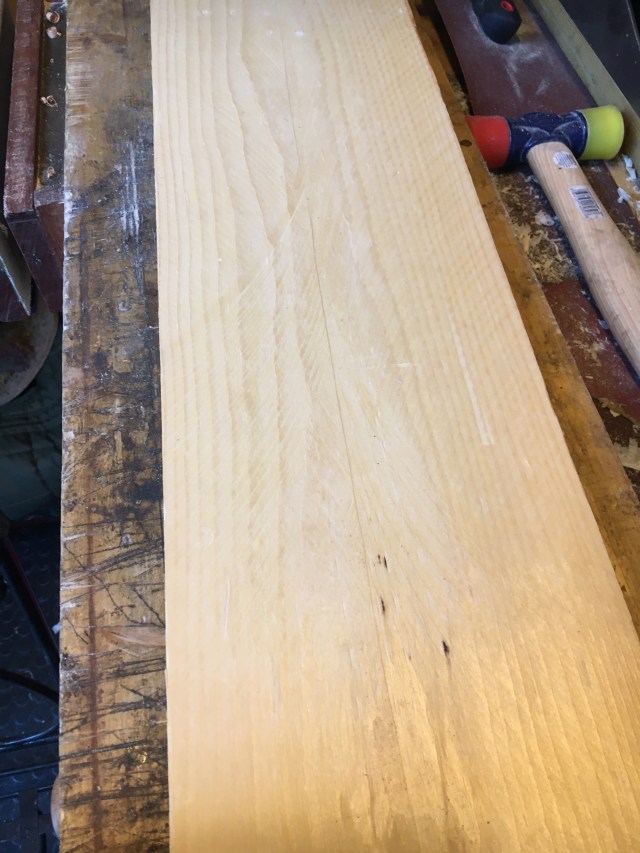
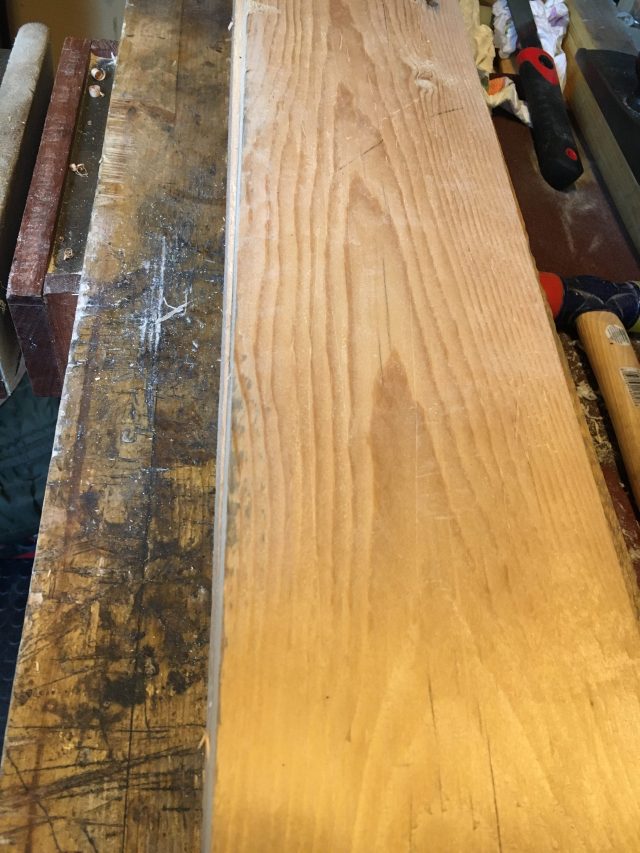
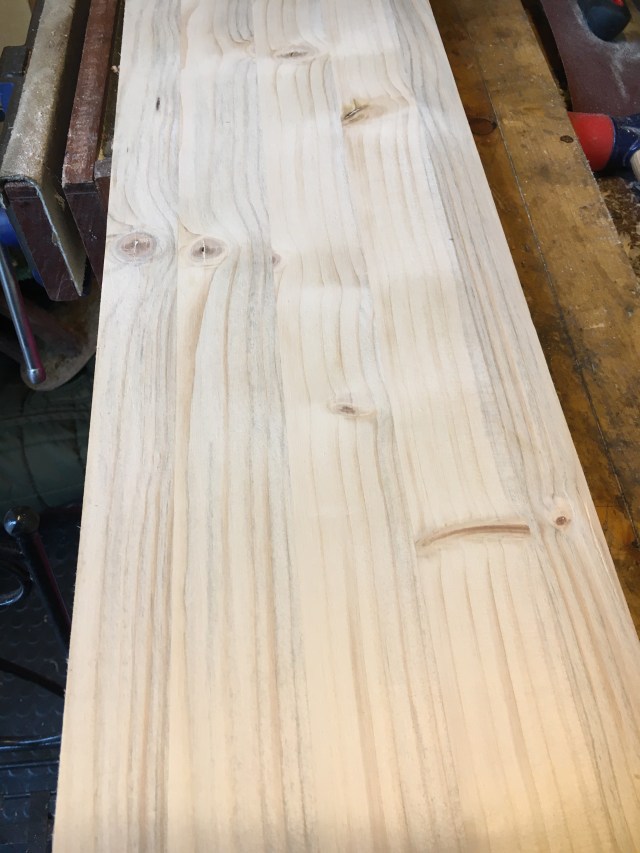
Abete bianco e di Douglas
Cresce in zone nordiche e alpestri, in climi freddi e asciutti fino a circa 2.000 metri ed in alcune zone occidentali del Nord America.
Di colore bianco crema, chiaro tendente al giallo oppure bianco tendente al rossiccio.
È un legno tenero, presenta anelli distinti ed ha buone caratteristiche di elasticità. È però poco resistente, è nodoso e si altera all’umidità.
Ha una buona lavorabilità, ed è usato prevalentemente per serramenti, carpenteria, multistrati, pali, imballaggi, strutture interne ed arredi rustici.
Di facile reperibilità, è commercializzato anche nei Brico ma a prezzi superiori rispetto alle segherie. Il prezzo rimane comunque sempre molto economico e si aggira sui 400 – 500 euro/mc. Visto il suo basso prezzo e la facile reperibilità è molto utilizzato dagli hobbisti per progetti dove non si abbiano particolari pretese qualitative.
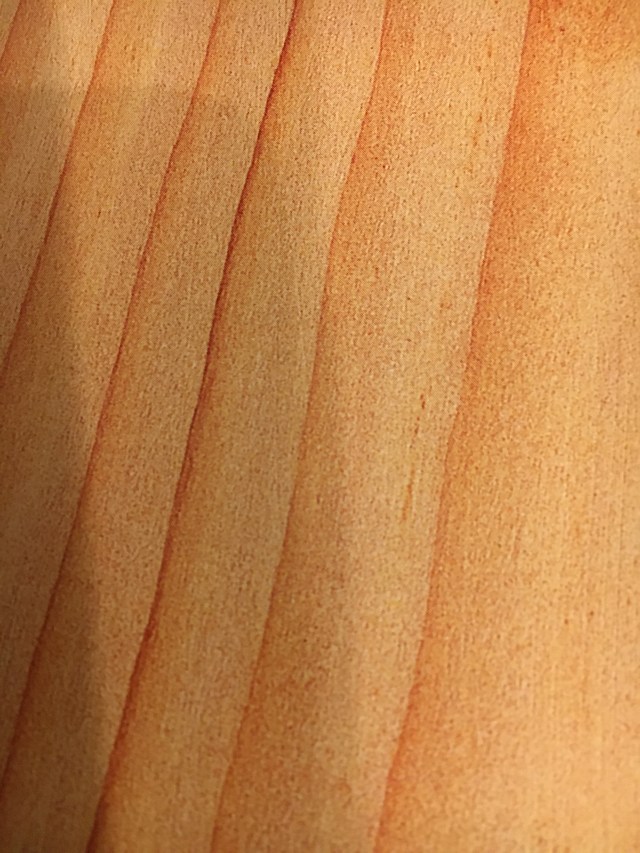
Cedro
Cresce nelle zone nordiche e alpestri, in climi freddi e asciutti fino a circa 2.000 metri. È presente anche sulla costa del Pacifico del Nord America.
Presenta un colore bianco – giallastro, è di densità omogenea e si taglia molto bene in tutte le direzioni, essendo il più tenero delle essenze resinose. Se però viene esposto alternativamente all’umidità e al secco si altera facilmente. È un legno nodoso ma di buona lavorabilità.Viene usato per la costruzione di mobili, imbarcazioni, serramenti, piallacci, sculture e modelli di fonderia. Il suo prezzo è di circa 600 euro/mc. ed è di facile reperibilità, ma non nei Brico.
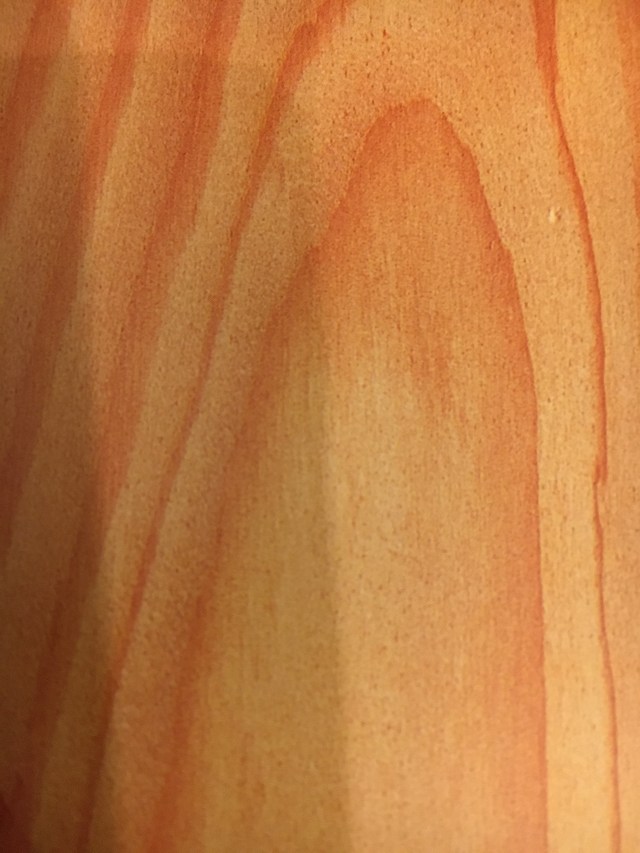
Larice
Cresce su terreni freschi e asciutti nelle zone alpine ed in molte altre zone europee. È di colore rossiccio con venature scure.
Ha buone caratteristiche di elasticità, è resistente ai tarli e all’umidità e non si screpola. Durante la stagionatura ha però la tendenza a fendersi e torcersi facilmente.
Ha una discreta lavorabilità ed è usato per serramenti, fasciame di imbarcazioni, edilizia e generalmente per usi esterni.
Il suo prezzo si aggira sugli 800 euro/mc. ed è di facile reperibilità, ma non nei Brico.
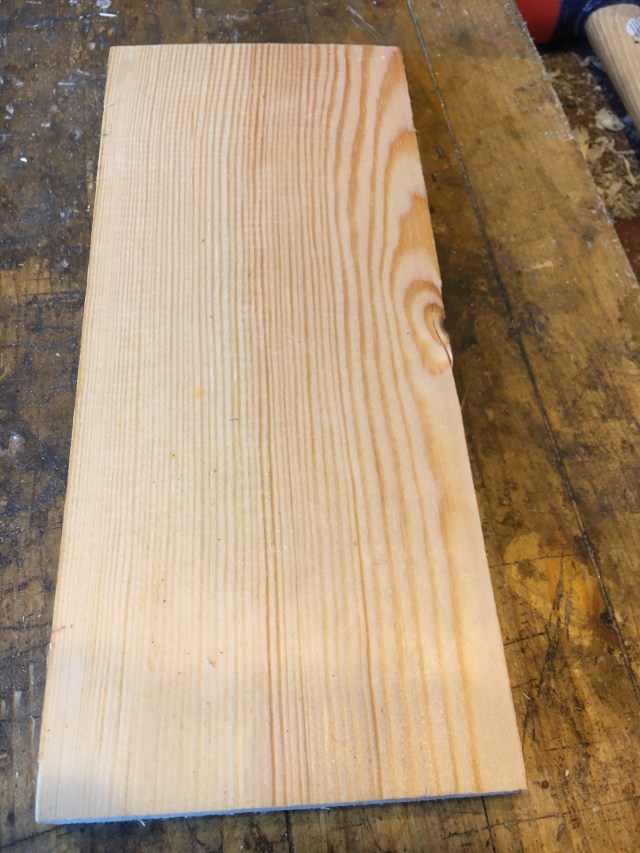
Pino bianco occidentale e rosso
È presente su terreni dal livello del mare fino a 1.700 metri, in Europa, negli USA, e nel Canada orientale. È originario della Scandinavia, Scozia, Russia, e montagne europee.
Presenta solitamente un colore rosa – rossastro ma può anche variare da giallo chiaro a marrone rossiccio.
Presenta svariati nodi ma è comunque un legno tenero di ottima lavorabilità. Se mal stagionato però si pialla male.
È usato per lavori comuni di falegnameria, costruzioni navali, serramenti, mobili rustici e carpenteria. Per la sua economicità e facile reperibilità, è il legno più utilizzato dagli hobbisti assieme all’abete ma, rispetto a quest’ultimo, è sicuramente di migliore qualità.
Il prezzo si aggira sui 500 euro/mc. e lo si può trovare anche nei Brico più forniti.
I legni duri
Contrariamente a quanto indica il nome, i legni duri, così come i legni dolci, devono il proprio nome al raggruppamento botanico a cui appartengono e non alle loro effettive qualità fisiche. In molti casi però i legni duri si caratterizzano effettivamente per la loro maggiore durezza. I legni duri appartengono alla categoria delle latifoglie e delle angiosperme, sono alberi a foglia larga, generalmente decidui (perdono le foglie), ma talvolta sempreverdi. Hanno uno sviluppo lento e crescono maggiormente nelle foreste tropicali ma anche nelle zone temperate. Sono quindi legni prevalentemente esotici e si caratterizzano per la grande varietà di colori (prevalentemente scuri), grane e venature. Essendo più pregiati dei legni dolci sono decisamente più costosi. Di maggior valore sono quei legni che provengono dalle vecchie foreste rispetto a quelli impiantati dall’uomo con il rimboschimento. Purtroppo la scriteriata deforestazione, praticata soprattutto nelle foreste tropicali, ha portato ad una drastica riduzione della disponibilità di queste essenze. I legni duri trovano utilizzazione prevalentemente nel campo dell’ebanisteria, delle impiallacciature e nella realizzazione di manufatti di pregio. Di seguito, a titolo esemplificativo, alcune tipologie di legni duri tra i più comuni usati in falegnameria, che ho avuto possibilità di lavorare e di facile reperibilità. I costi evidenziati sono indicativi.
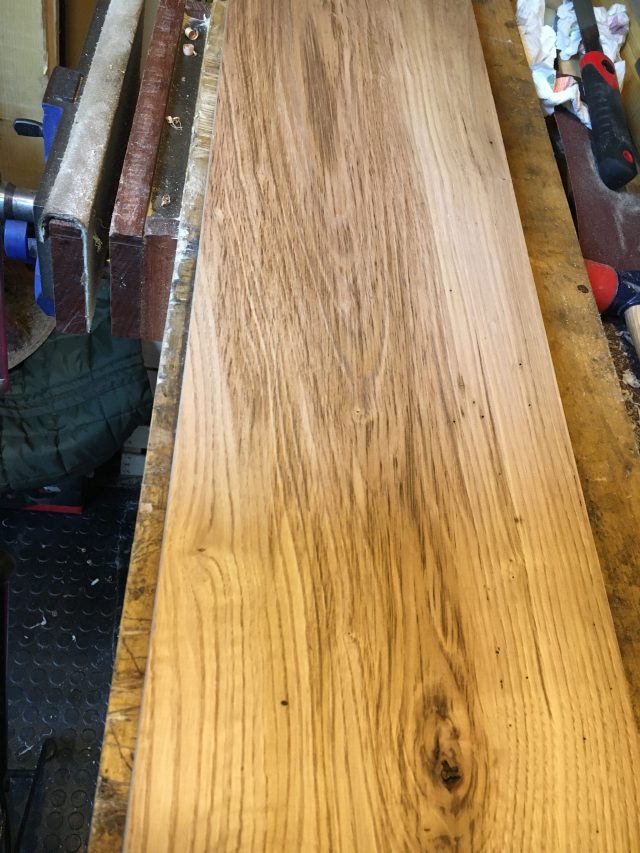
Castagno
La pianta di castagno cresce praticamente ovunque, specialmente nelle zone collinose fino ai 900 metri.
Si presenta di colore giallo – fulvo, chiaro o bruno-chiaro.
Ha una buona lavorabilità, resiste molto nell’acqua, è particolarmente duro ma si tarla facilmente, oltre ad essere soggetto a cipollatura.
Viene usato per la realizzazione di mobili di uso comune, serramenti, persiane e pavimenti.
Di facile reperibilità (ma non nei Brico) il suo prezzo si aggira sugli 800 – 900 euro/mc.
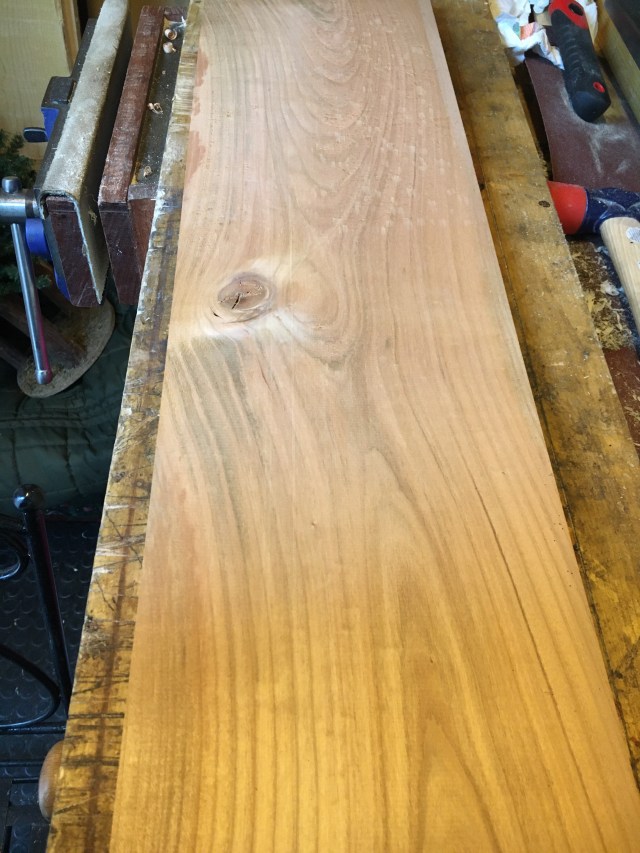
Ciliegio
Anche questa pianta cresce praticamente ovunque. Si presenta di colore rosso-bruno, lucente.E’ di difficile lavorazione, in quanto caratterizzato da una fibra nervosa, è pesante, di media durezza, con grana omogenea e buon grado di pulimento. Si imbarca facilmente ed è soggetto a ritiro.
È usato per la costruzione di mobili, serramenti, per piccoli oggetti (ad esempio utensili da cucina), in ebanisteria e per piallacci.
Di facile reperibilità (ma non nei Brico) il prezzo si aggira attorno ai 1.300 euro/mc.
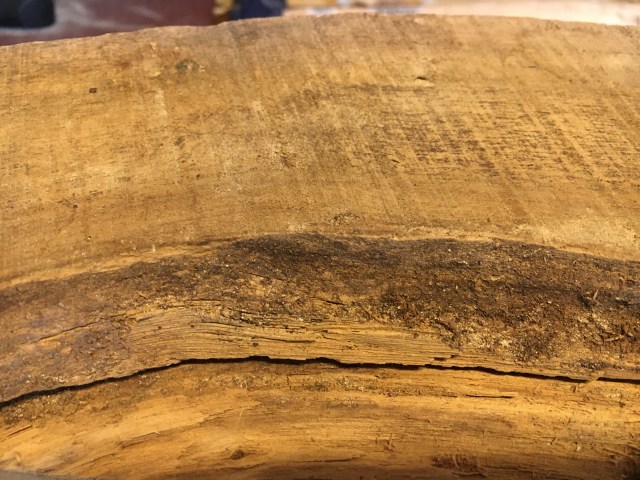
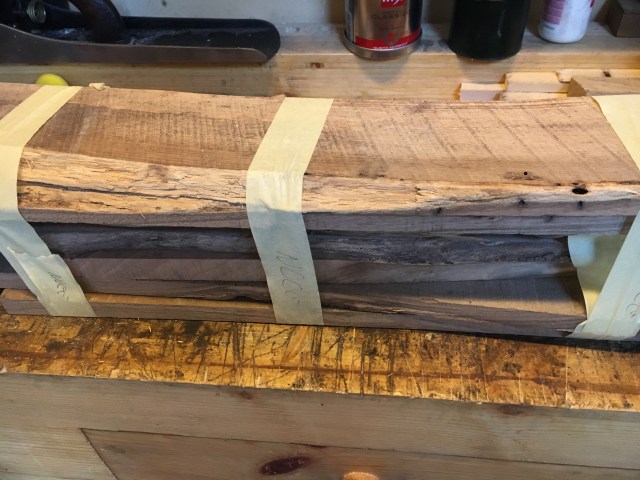
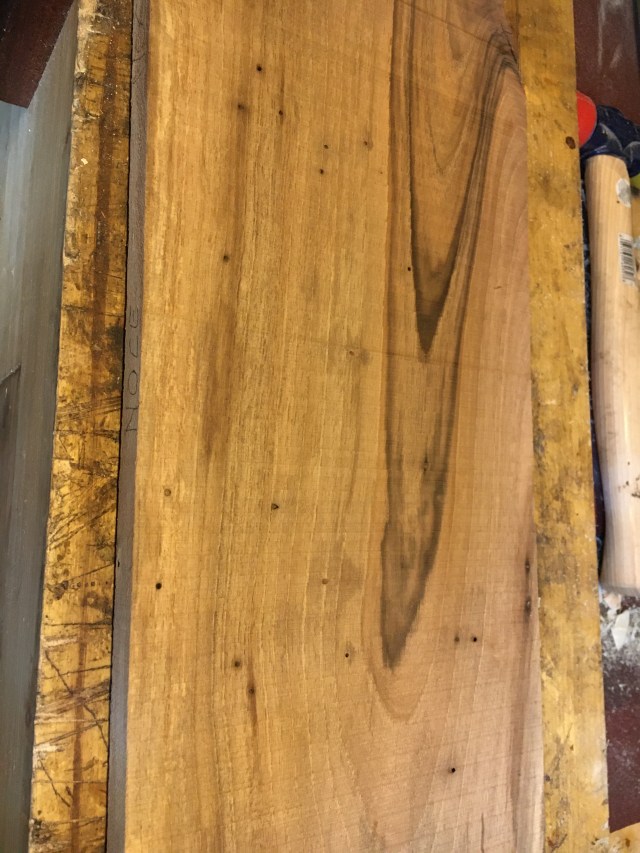
Noce
Cresce anche in Europa, prediligendo terreni collinosi, freschi e ricchi.
È di colore grigio-bruno con fiamme nere e rossastre. Quello delle Alpi è più scuro.
Di ottima lavorabilità, è connotato da media durezza e perfetto grado di pulimento. E’ però poco resistente alla flessione e se stagionato male è attaccato dai tarli.
È utilizzato per la realizzazione di mobili di pregio, nell’ebanisteria fine, nella tornitura e nella realizzazione di piallacci.
Il prezzo indicativo è di circa 2.000 – 3.000 euro/mc. Non si trova nei Brico.

Toulipier
E’ un legno duro con origine nell’America del Nord ed in Europa. Di colore chiaro quasi crema con strisce di colore giallo tendenti al verde presenta una venatura dritta ed è facilmente lavorabile. Non è adatto ad usi esterni, se non adeguatamente protetto. Per il suo basso costo e la sua somiglianza al legno di noce, una volta verniciato, viene sempre più utilizzato per la costruzione di porte e per manufatti in generale.
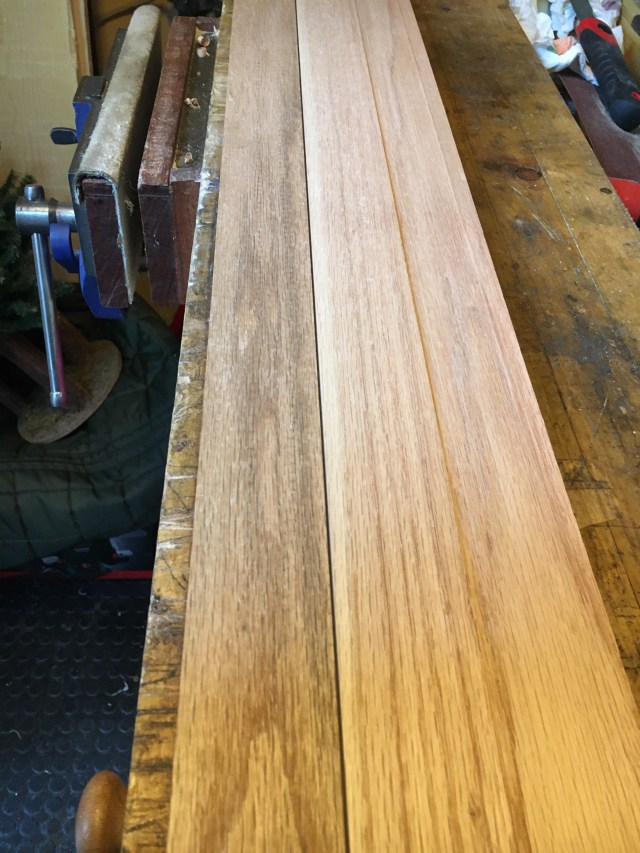
Rovere
Appartiene al genere delle querce e cresce dal livello del mare fino a 1.000 metri. È molto diffuso in Europa. Il suo colore è giallo-bruno con picchiettature in marrone scuro.
Ha buone qualità di durezza e compattezza oltre ad essere molto bello a vedersi.
È solitamente di facile lavorazione a condizione che l’andamento delle fibre sia uniforme.
Viene impiegato per la costruzione di mobili in genere. Molto pregiato è quello di Slavonia.
Il prezzo si aggira sui 900 – 1.300 euro/mc.
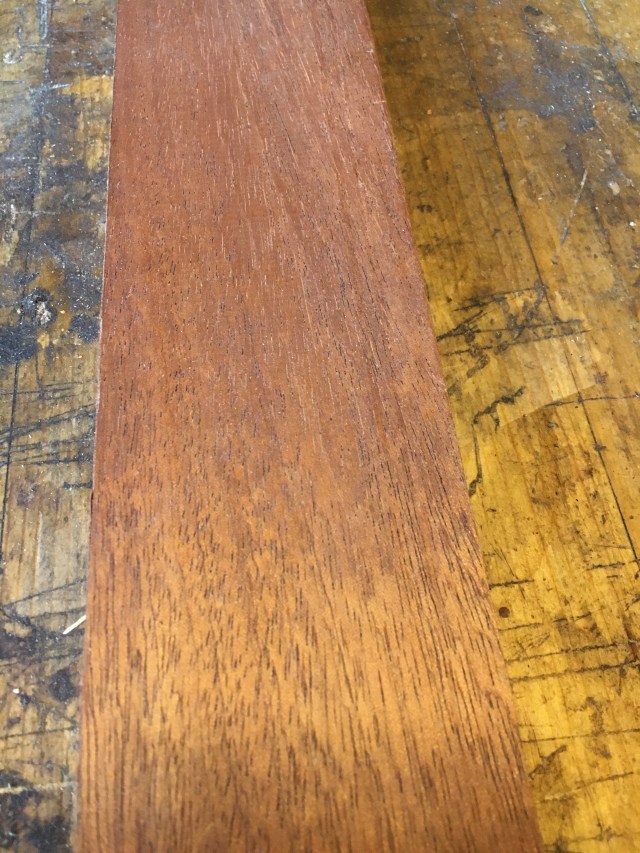
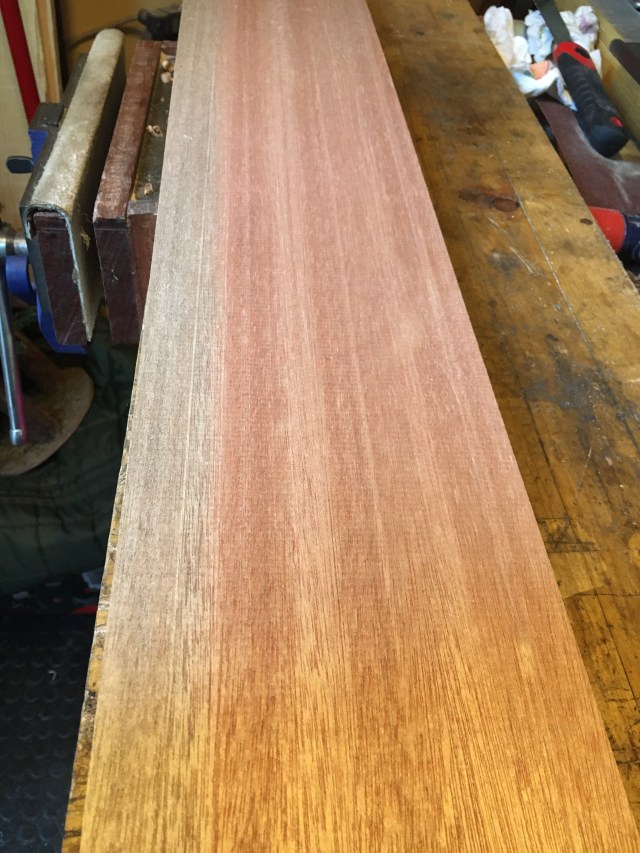
Mogano
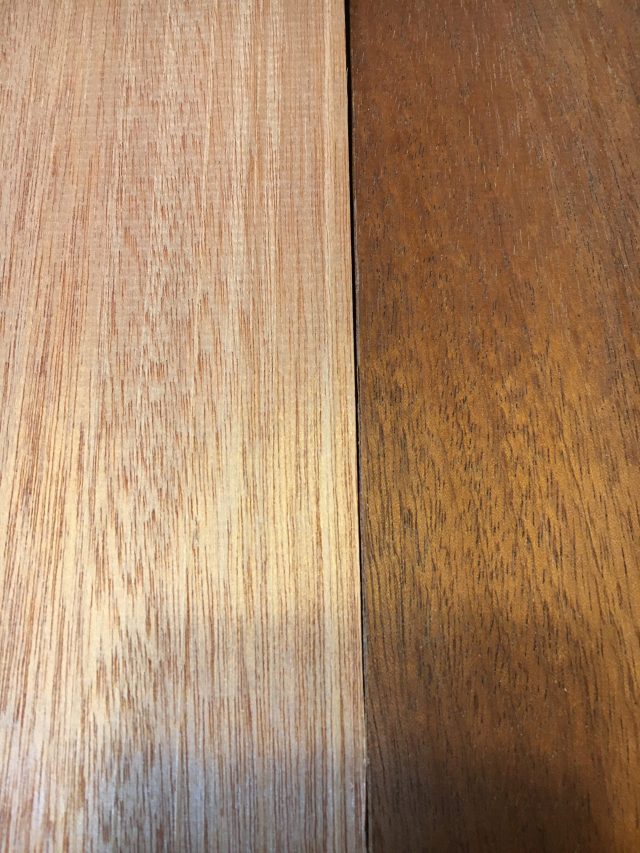
Ha origine nell’America centrale e meridionale ed è quindi un legno tropicale. Tra le varie tipologie di mogano quello più commercializzato e diffuso è oramai solo quello americano, essendo quello cubano praticamente estinto. Di colore scuro, presenta strisce che vanno dal rosa al rosso scuro fino al marrone. Solitamente presenta una fibra dritta e possiede un’ottima lavorabilità, anche se tende a spezzarsi e ad ammaccarsi. Si usa principalmente per la costruzione di mobili, pannelli ed in ebanisteria. Il prezzo si aggira sui 1.300 euro/mc. Difficilmente si trova nei Brico. Una variante “povera” del mogano è il Sapeli.
Appartiene alla stessa famiglia ma ha origini africane. Ha caratteristiche e colore simili differenziandosi però per alcune striature poco apprezzabili. E’ lavorabile abbastanza bene a mano ma non è particolarmente robusto. Solitamente lo si può acquistare da importatori di legni tropicali. Viene usato prevalentemente in ebanisteria ma anche per mobili e piallacci.
Aspetto del legno
I legni che presentano fibre dritte e regolari sono generalmente di facile lavorabilità con i normali utensili manuali. Questi tipi di legno sono solitamente quelli di qualità più pregiata, ovvero di prima scelta, in quanto esenti dai difetti descritti nei capitoli precedenti. Quello che ci interessa maggiormente in questo paragrafo è parlare però di quei legni che mostrano fibre contorte e irregolari, che provengono da alberi che presentano taluni difetti e che, proprio in ragione di tali difetti e a discapito della difficoltà di lavorazione, vengono spesso ricercati per la loro particolare bellezza. Il disegno e la colorazione che si osservano in questo tipo di legni scaturiscono dall’estrema irregolarità delle fibre e sono quindi particolarmente richiesti proprio in ragione della singolarità dell’aspetto che assumono. I tornitori usano moltissimo questi tipi di legno, tra i quali possiamo annoverare l’acero e l’olivo. Il particolare motivo che presentano è conosciuto con il nome di marezzatura. Esistono molteplici tipologie di marezzatura talune specifiche per tipologie di legno. Di seguito solo alcune a titolo esemplificativo.
Paesaggio
Presenta il disegno allungato degli anelli di crescita, chiamato anche cattedrale, ed è visibile solo su legni tagliati tangenzialmente.

Acero occhiolinato
E’ provocato dall’attacco di particolari funghi alla zona del cambio i quali, ritardandone la crescita, creano delle depressioni che, una volta tagliate, prendono l’aspetto di piccoli cerchi o teste di spillo. È presente solo in particolari specie, come l’acero canadese.
Ondulato largo: è presente in legni come il mogano africano ed è provocato da irregolarità degli anelli di crescita.
Striato fineE’ un effetto ottico dato dalle fibre intrecciate di taluni legnami tropicali che, a seconda di come viene irradiato dalla luce, crea variazioni di colore delle venature.

Radica
Causata da piccole ipertrofie del tronco, sono piccoli nodi molto difficili da tagliare. È presente ad esempio nell’olmo ed è usata spesso per i piallacci.
Fiammato
Trattasi di un particolare motivo creato dai raggi quando il legno viene tagliato radialmente o in quarti. È usato soprattutto per le impiallacciature.
Pommelè
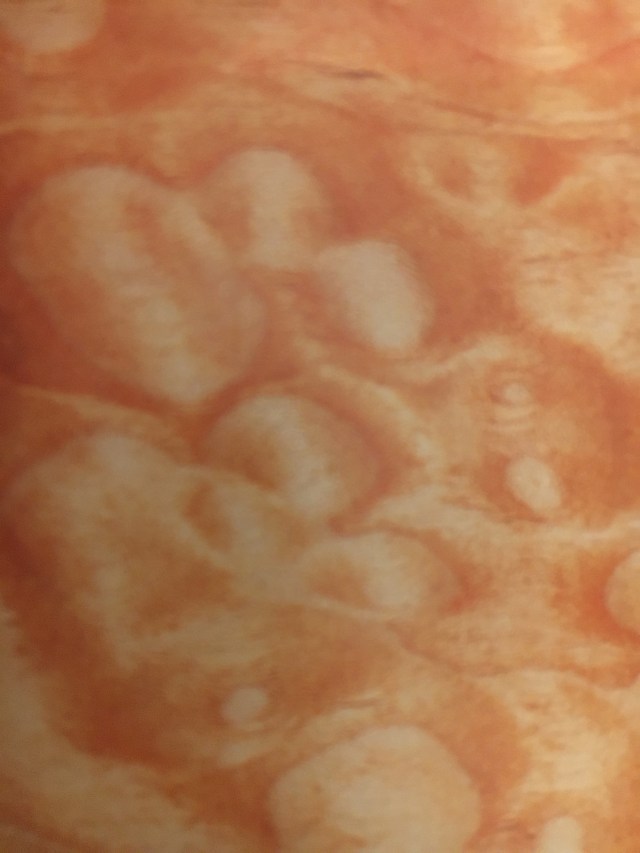
Come l’occhiolinato dell’acero, ha origine da un difetto del cambio che, in questo caso, genera gravi depressioni del legno. Si riscontra in legni come l’abete resinoso e il Kevazingo.
Frisato
Questo motivo è riscontrabile nei legni tagliati in quarti. Come per lo striato fine la variazione di colore che si osserva è solo un’impressione generata dal modo in cui le venature riflettono la luce. Un esempio è rinvenibile nel sicomoro, utilizzato per fare i violini.
Piallacci e Legni Derivati
Piallacci
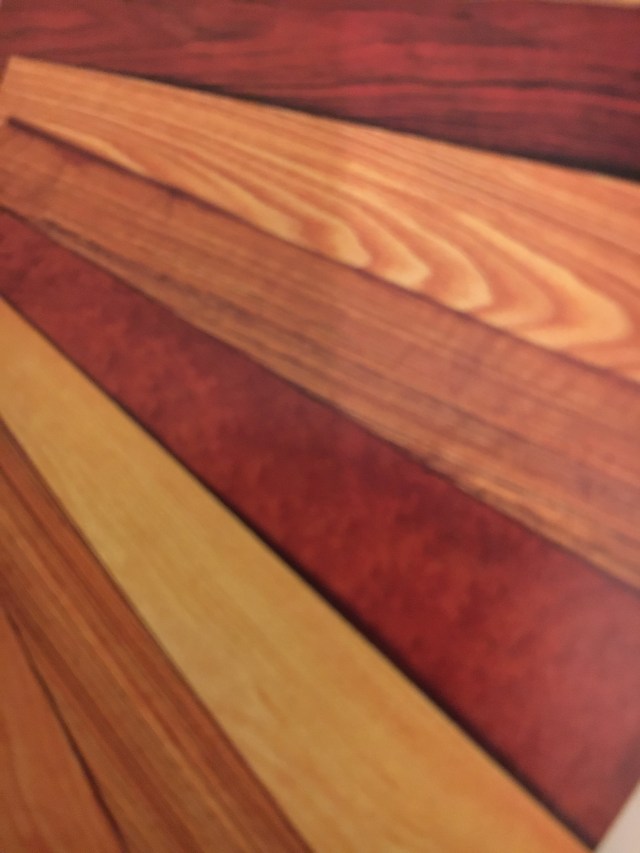
I piallacci sono sottili strati di legno di vario spessore (solitamente trattasi di essenze pregiate) che vengono applicati mediante una particolare procedura di incollaggio a del legno comune di minor valore (come ad esempio del truciolare o MDF). La tecnica dell’applicazione dei piallacci è antichissima e viene denominata impiallacciatura. In passato con questo sistema sono stati realizzati manufatti di particolare bellezza. Quindi non sarebbe propriamente corretto asserire che il mobile impiallacciato sia di minor valore rispetto al legno massello. Il valore di un mobile non dipende solo dal legno utilizzato ma anche dalla tecnica di realizzazione, dalle forme, dagli intarsi utilizzati,ecc. Il legno massello rimane ovviamente di maggior pregio ma il legno impiallacciato offre maggiori garanzie di stabilità. La tecnica dell’impiallacciatura rimane ancor oggi molto utilizzata e non di rado nelle abitazioni si possono trovare mobili costruiti con questo metodo. Il legno interno da rivestire, come accennato, può essere truciolato o MDF ma può anche essere legno di pioppo o di abete.
Oltre alla categoria dei piallacci esistono in commercio altre tipologie di legname, non massello, spesso di minor valore, detti legni derivati o artificiali. Sono ottenuti dalla lavorazione del legno di scarto, quindi di minor valore, ma sono sempre più utilizzati nelle costruzioni, per la loro facile reperibilità ed economicità. I principali legni derivati oggi in commercio sono i seguenti.

Compensato
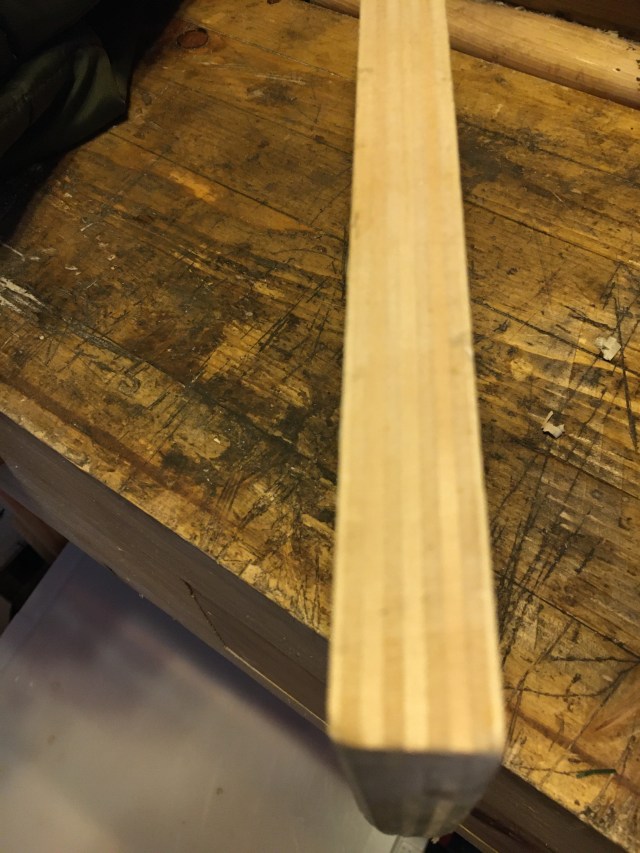
È composto da soli tre strati di legno, sovrapposti ed incrociati alternativamente, con quello centrale leggermente più spesso e solitamente di minor pregio. Può raggiungere i 3 – 4 mm. di spessore. Mettendo gli strati a fibre incrociate si riesce a minimizzare il fenomeno della distorsione creando un insieme più robusto e resistente.
Multistrato
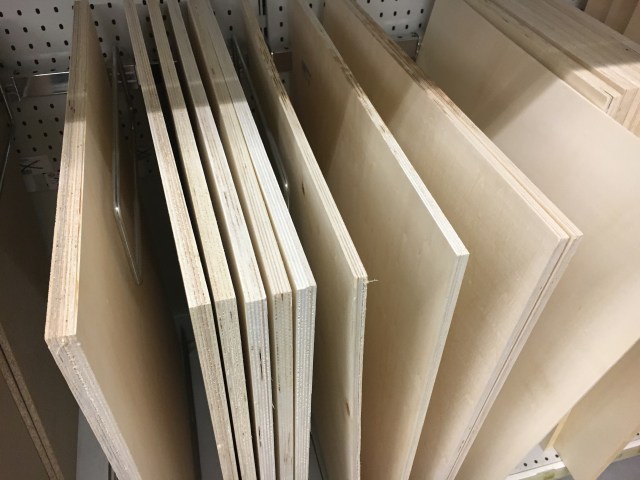
È composto da più di tre strati di legno sovrapposti ed incrociati, sempre in numero dispari e tutti dello stesso spessore. Per le sue caratteristiche vale quanto detto per il compensato, arrivando fino a 19 strati e più di 2 cm. di spessore.
Paniforte (o panforte) o listellare.
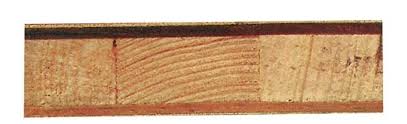
Composto da tre strati di legno (di cui quello interno non è un foglio ma una serie di listelli, solitamente di larice o abete) incollati fra loro.
A seconda della disposizione e forma dei listelli interni si distingue tra paniforte a panno intero (listelli di minor numero e più grandi), ad assicelle (maggior numero di listelli e di dimensioni minori) e a listelli (numero ancora maggiore di listelli ma di dimensioni ridotte). Lo strato superiore ed inferiore è costituito da dei piallacci.

Tamburato
È molto simile al paniforte e consiste di due pannelli con all’interno una struttura costituita da listelli di legno rigidi e disposti in varie forme che, lasciando degli spazi vuoti, possono essere riempiti con materiale isolante dal rumore e dal caldo e freddo. Sono spesso usati per realizzare porte interne ed antine per mobili.
Truciolare
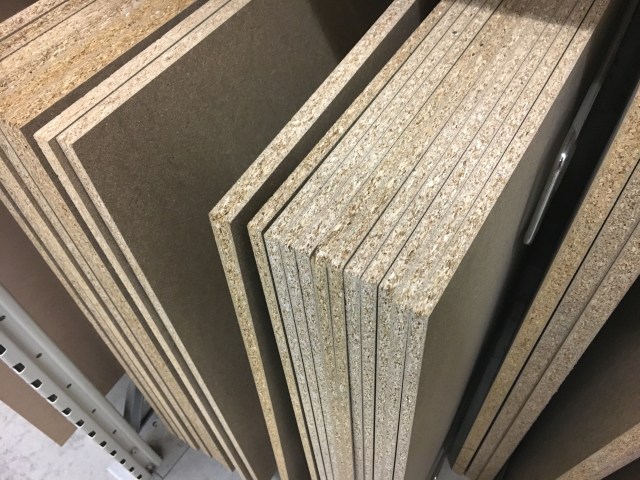
Ottenuto da scarti di lavorazione è costituito da piccoli trucioli in seguito triturati e impastati con colle e resine di particolare forza.
In passato era molto utilizzato ma oggigiorno il suo impiego si è notevolmente ridotto a causa della modesta resistenza all’umidità e della sua tendenza a gonfiarsi una volta bagnato. Inoltre evidenzia una scarsissima tenuta di chiodi e viti. La tendenza a sbriciolarsi ed a rompersi è quindi particolarmente elevata. In commercio le sue dimensioni variano dai 6 ai 22 mm. di spessore e di solito viene rivestito con piallacci. Varianti del truciolare sono la faesite e la masonite.
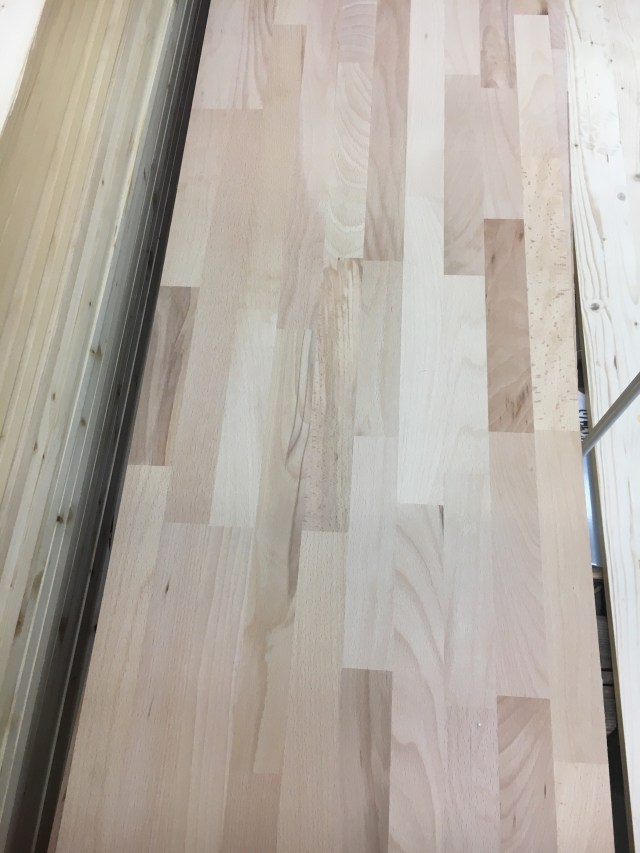
Lamellare
Trattasi di listelli di legno lunghi circa 30 cm. incollati assieme di costa e/o di testa. Trovano largo impiego negli arredamenti ed anche nell’edilizia. Bello a vedersi risulta anche particolarmente robusto e facilmente lavorabile. In commercio ne esistono di svariate grandezze e forme. Molto utilizzati per questo tipo di derivato sono il legno di abete e il larice ma anche il faggio ed il ciliegio.

MDF
È l’acronimo di Medium Density Fibreboard. È ottenuto dall’unione di fibre finissime di legno con collanti ad altissima tenuta. È molto omogeneo e facilmente lavorabile ma teme l’umidità ed è abbastanza fragile. Può essere rivestito con piallacci.
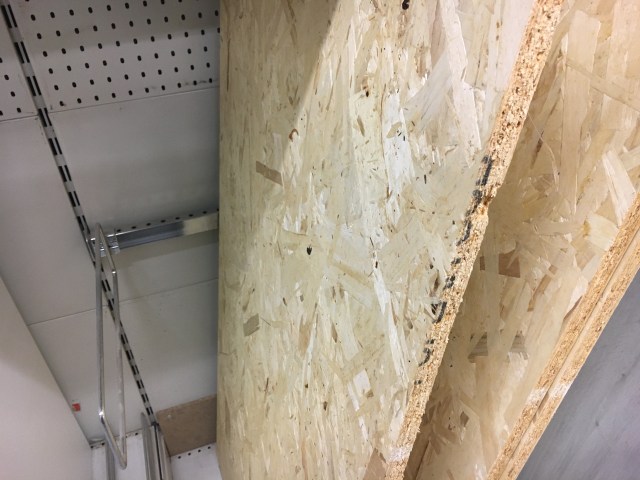
OSB
È l’acronimo di Oriented Strand Board. È ottenuto dall’incollaggio su vari strati e mediante una particolare resina sintetica di scaglie di legno di varie forme ed orientate diversamente. È robusto e molto resistente all’umidità ed alle variazioni climatiche rendendolo quindi particolarmente adatto ad usi esterni, come ad esempio nei cantieri. In commercio ne esistono di varie qualità.
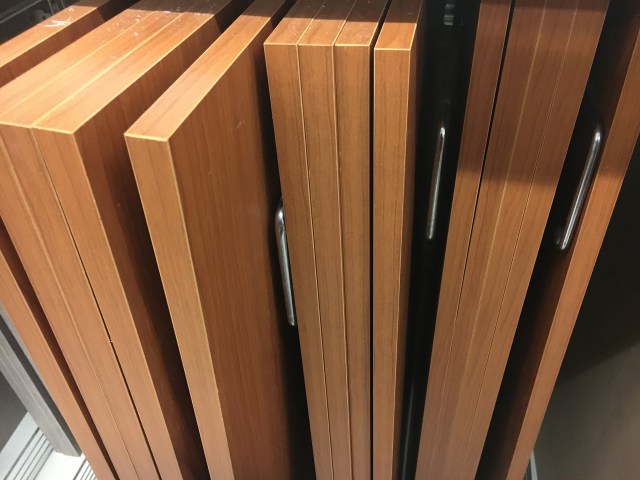
I derivati del legno sono tutti facilmente reperibili negli store del fai da te a prezzi però notevolmente superiori rispetto alle segherie. I prezzi differiscono sensibilmente anche tra gli stessi derivati. Il multistrato ad esempio ha prezzi molto più alti rispetto al truciolare ed all’OSB.
Essendo tutte queste tipologie di legno di scarsa qualità vengono spesso nobilitati con l’applicazione di piallacci o laminati plastici (tra questi la famosa formica). La loro economicità e versatilità ne ha però di fatto favorito la diffusione, specialmente tra gli hobbisti.
I formati del legno
In commercio si possono reperire i seguenti formati.
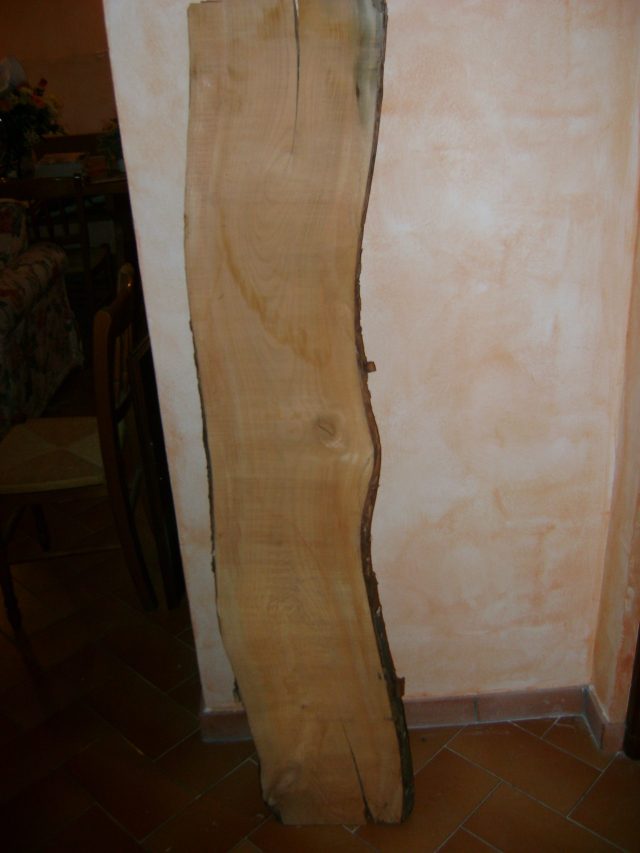
Tavole
Con questo termine si indicano le grosse fette di tronco che escono grezze e non piallate dalla segheria. Presentano bordi irregolari e possono misurare fino a 4 metri di lunghezza, decine di cm. in larghezza ed anche più di 6 cm. di spessore.
La loro lavorazione può essere effettuata con attrezzature manuali ma di solito per la loro sezionatura in misure più piccole vengono utilizzate attrezzature meccaniche di elevata potenza come seghe a nastro, seghe circolari, pialle filo spessore, squadratrici, combinate ecc.
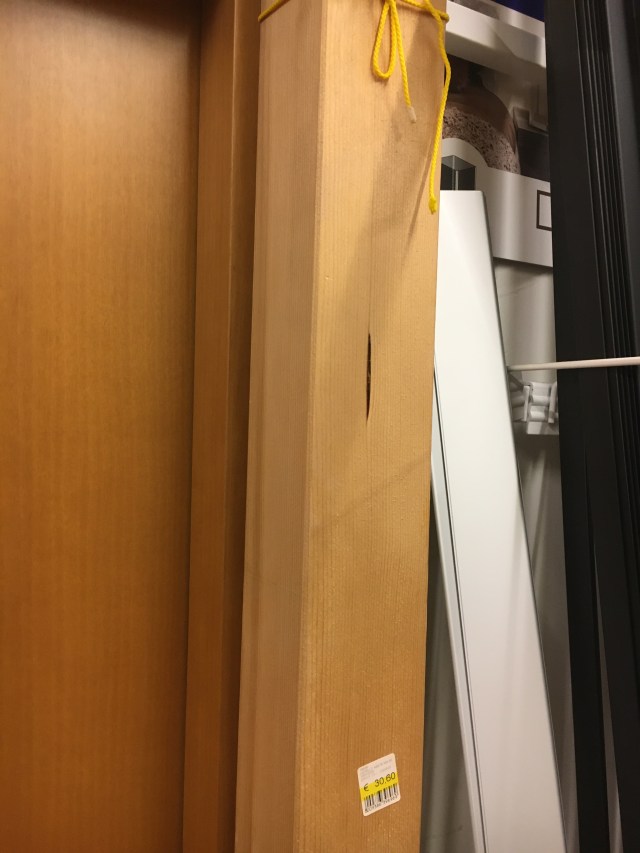
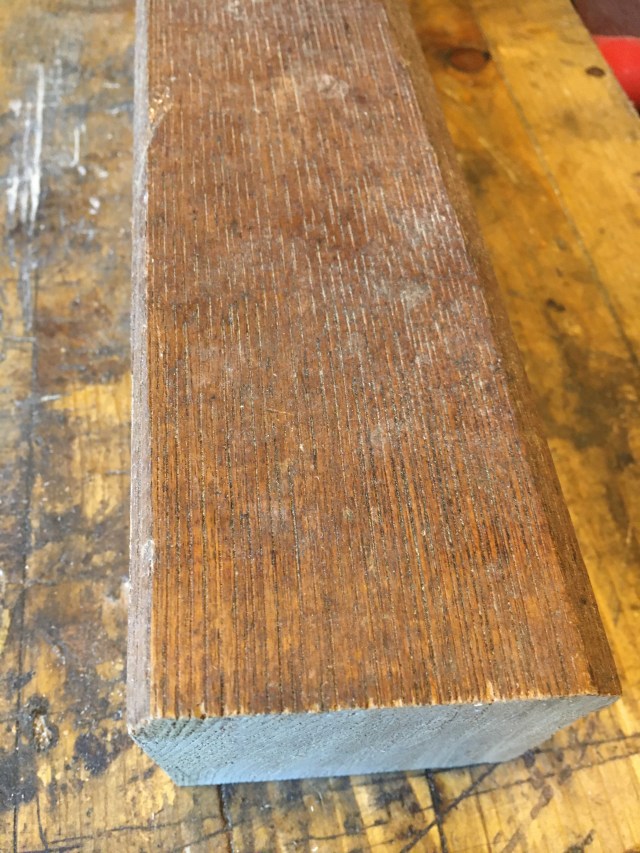
Travi (se di ridotte dimensioni chiamati anche morali)
Trattasi di porzioni di tronco a sezione quadrata o rettangolare. Vengono utilizzate particolarmente nell’edilizia ed in carpenteria.
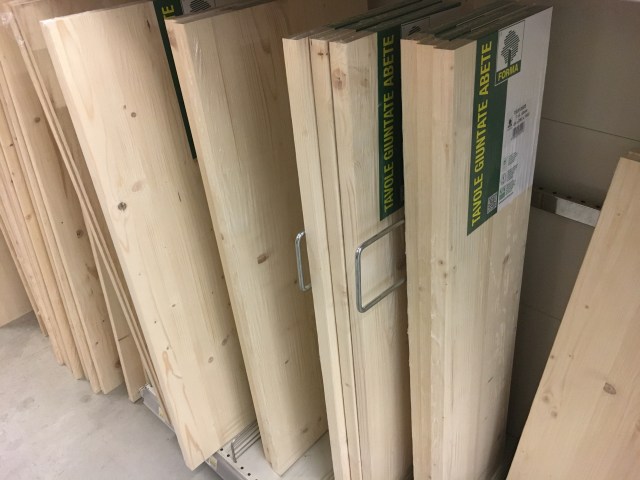
Assi
Sono impropriamente dette tavole. Si ottengono dalla suddivisione del tronco in misure più piccole rispetto alle tavole di cui abbiamo parlato sopra. Sono quelle che si trovano spesso nei Brico in diversi formati e misure, grezze o da piallare.
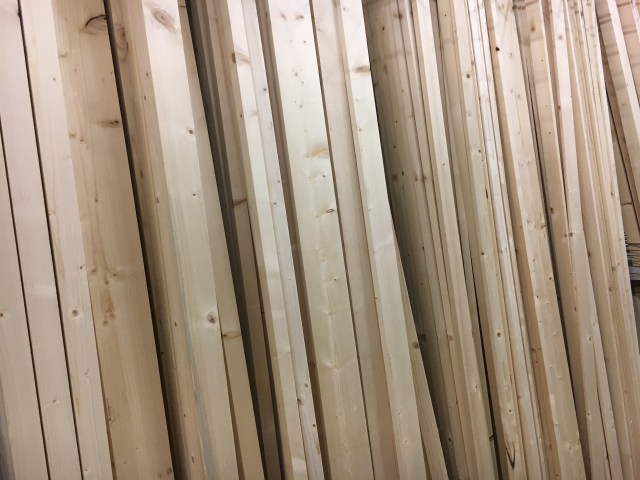
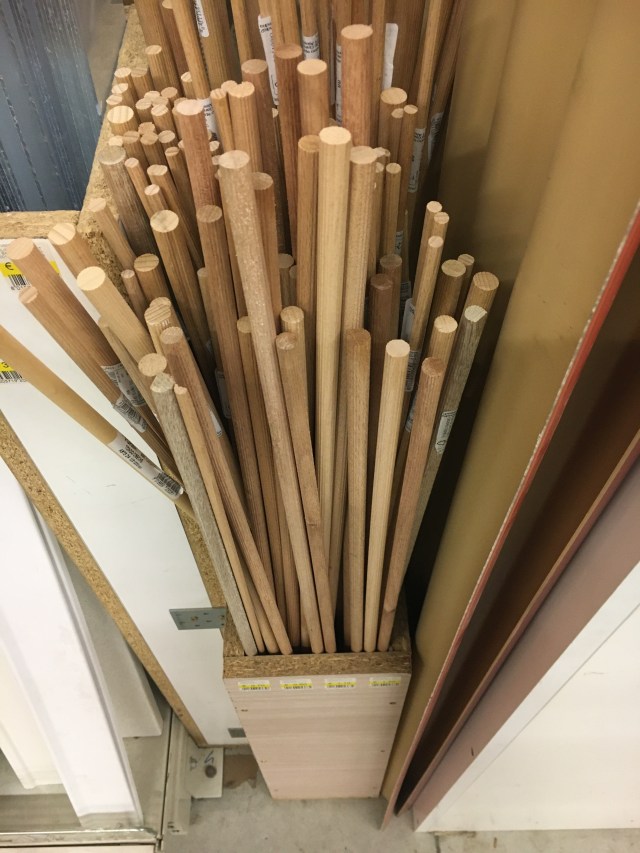
Listelli
Sono le sezioni più piccole in cui può essere ridotto il legno. Solitamente non raggiungono i 10 cm. in larghezza anche se in lunghezza se ne possono trovare di dimensioni maggiori. Sono a sezione quadrata, rettangolare ed anche circolare. Spesso sono già lavorate e pronte all’uso.
Lastroni
Fogli di legno di grande spessore di solito 2 – 3 mm. ma anche oltre.
Lastroncini
Fogli di legno di spessore intermedio di circa 1 mm.
Piallacci
Fogli di dimensioni ancora inferiori, di solito sotto il millimetro, usati per rivestire i legni derivati. In commercio i più utilizzati sono quelli da 6 decimi. Ne abbiamo parlato in precedenza.
Il legno naturale sta diventando sempre meno reperibile a causa del grave disboscamento a cui è sottoposto e degli incendi dolosi che avvengono in tante zone del mondo. L’uomo sta cercando di rimediare ai suoi stessi errori creando zone dove far ricrescere le piantagioni ma il legno che si ottiene da questi luoghi non è paragonabile in qualità. La scarsità di legno ha fatto crescere di non poco il suo prezzo e fatto sviluppare un fiorente commercio di legni artificiali sostituti del legno massello. Questo spiega anche la recente ed apprezzabile tendenza al riciclo ed al riuso di legno vecchio, recuperato da mobili in disuso o da bancali, da parquet dismessi o legni avanzati nei cantieri. Anche se sembrano indicare lo stesso fenomeno in realtà risulta più corretto distinguere tra il riciclo ed il riuso. Il riciclo consiste nella pratica di smembrare un oggetto e successivamente utilizzare le parti così ottenute per costruire un oggetto diverso, come avviene ad esempio utilizzando il legno di un bancale. Il riuso consiste semplicemente nel cambiare la destinazione di uso di un oggetto. Quindi ad esempio un contenitore può essere trasformato in uno scaffale per libri semplicemente aggiungendo qualche ripiano e posizionandolo in verticale. Quanto detto ci indica che semplici accorgimenti nella vita di tutti i giorni uniti ad un po’ d’inventiva ci permetterebbero di sfruttare il legno in circolazione e non più utilizzato. Sarebbe un piccolo aiuto alla natura non incentivando ancora di più la deforestazione e non andando ad aggravare ulteriormente l’attuale crisi del rapporto tra l’uomo e l’ambiente. Questo rapporto, spesso conflittuale e per certi aspetti controverso, ha generato nel suo divenire gravi dissesti ambientali di cui oggi tutti noi stiamo pagando le conseguenze. La lavorazione del legno da semplice rapporto intimo tra un falegname e la sua materia prima si è progressivamente trasformato in una vera e propria depauperazione della natura. Le macchine introdotte nella lavorazione del legno hanno apportato il loro decisivo contributo in tal senso e di questo, del loro rapporto con l’uomo e della conseguente problematica relativa alla sicurezza rapportata agli utensili manuali vorrei parlare in un prossimo articolo.
___________________________________________________________________________________________________________________
There are about 12,000 species of wood on the market. From this datum we can deduce the great heterogeneity of this material considering also that each essence has peculiar characteristics that distinguish it from any other. Of these essences, however, only very few are actually marketed and profitably exploited by man.For wood it is possible to make innumerable types of classification, distinguishing it for example by hardness, coloring, odor, fiber trend, composition of the wood, type of cut, size, etc.
A first classification can be made according to whether the woods come from European territory (indigenous essences) or from other continents (exotic essences). In general it can be said that exotic woods are of greater value than indigenous ones because they have excellent qualities of compactness, hardness, color, motif of the grain, etc.
Another classification is possible according to the type of grain that the essence presents giving origin to different names depending on the reason that the wood shows. We will thus have the flamed, pommelè, frisate, briar, corrugated, winking, etc.
Depending on the format of the timber, or how the wood has been cut, we will have boards, beams, boards, strips, slabs, slabs, veneers, etc. We can also find the so-called wood derivatives among which the most popular on the market are plywood, plywood, blockboard or blockboard, chipboard, laminated wood, MDF and OSB. The carpenter craftsman therefore has a very wide range of choices available.
Depending on the project he plans to create, he will choose a soft or hard essence, a flamed or frisato design, a sawn table or veneer, solid wood or a derivative such as plywood. To create furniture, such as a table, it will orient itself on a sturdy, therefore hard, and straight fiber wood. For certain artefacts, such as chairs and panels, he will instead choose soft quarter sawn woods as they are difficult to deform or bend. On the other hand, the cabinetmaker will prefer a wood with a beautiful color and a beautiful motif, preferably with straight fiber, to avoid tearing. Turners, having to work with mechanical equipment such as the lathe, will face fewer problems in terms of choosing wood but will look for unusual colors and with a particular design, such as olive wood.Without this small premise we see below the main classifications that are made when it comes to wood.
A first classification that is generally made when speaking of wood is between soft (or soft) and hard woods.
Sweet woods derive from coniferous plants which are generally evergreen, with thin and needle-like leaves. Sweet woods are usually identifiable in light color, ranging from white to yellow and reddish brown and are characterized by a remarkable contrast of color and density, generated by the alternation of wood grown in spring with that grown in autumn.
The main softwoods marketed in Italy come from the northern European hemisphere and therefore fall among the indigenous woods. Being fairly fast growing plants they are often planted directly by man (so-called forestry). Sweet woods are less valuable and therefore less expensive than exotic hard woods and find their use mainly in the production of products that require a fair degree of elasticity, such as in the field of window frames, the paper industry and in the production of panels. Usually light woods are more sensitive to color variations, therefore darkening very easily. In some species, however, the opposite phenomenon can sometimes occur. Below, by way of example, some types of soft woods, which I have had the opportunity to work, among the most commonly used in carpentry and easy to find. The costs shown are indicative.
Cedar.
It grows in the northern and alpine areas, in cold and dry climates up to about 2,000 meters. It is also present on the Pacific coast of North America.
It has a yellowish-white color, is of homogeneous density and cuts very well in all directions, being the most tender of the resinous essences. However, if it is exposed alternately to humidity and dry it is easily altered. It is a gnarled wood but of good workability. It is used for the construction of furniture, boats, windows, veneers, sculptures and foundry models. Its price is around 600 euros / mc. and it is easy to find, but not in Brico.
Larch
It grows on fresh and dry soils in alpine areas and in many other European areas. It is reddish in color with dark veins.
It has good elasticity characteristics, is resistant to woodworm and humidity and does not crack. During the seasoning, however, it has a tendency to crack and twist easily.
It has a fair workability and is used for windows, planking of boats, building and generally for external use.
Its price is around 800 euros / mc. and it is easy to find, but not in Brico.
Pine
It is present on land from sea level up to 1,700 meters, in Europe, the USA, and eastern Canada. It is native to Scandinavia, Scotland, Russia, and European mountains.
It usually has a reddish-pink color but can also vary from light yellow to reddish brown.
It has several knots but is still a soft wood of excellent workability. If badly seasoned, however, it is planed badly.
It is used for common joinery, shipbuilding, window frames, rustic furniture and carpentry. For its cheapness and easy availability, it is the wood most used by hobbyists together with fir but, compared to the latter, it is certainly of better quality.
The price is around 500 euros / mc. and it can also be found in the best-stocked Brico.
Hardwoods
Contrary to what the name indicates, hard woods, as well as sweet woods, owe their name to the botanical grouping to which they belong and not to their actual physical qualities. In many cases, however, hardwoods are actually characterized by their greater hardness. Hardwoods belong to the category of broad-leaved trees and angiosperms, they are broad-leaved trees, generally deciduous (lose their leaves), but sometimes evergreen. They develop slowly and grow mostly in tropical forests but also in temperate areas. They are therefore mainly exotic woods and are characterized by the great variety of colors (mainly dark), grains and veins. Being more valuable than sweet woods they are definitely more expensive. Of greater value are those woods that come from old forests compared to those planted by man with reforestation. Unfortunately, the reckless deforestation, practiced mainly in tropical forests, has led to a drastic reduction in the availability of these essences. Hardwoods are mainly used in the field of cabinet-making, veneers and in the creation of fine products. Below, by way of example, some of the most common types of hardwood used in carpentry, which I have had the opportunity to work with and easily available. The costs shown are indicative.
Chestnut
The chestnut tree grows practically everywhere, especially in hilly areas up to 900 meters.
It is yellow – fawn, light or light brown in color.
It has a good workability, it resists a lot in the water, it is particularly hard but it can be easily cleaned, as well as being subject to chopping.
It is used for the construction of common furniture, windows, shutters and floors.
Easily available (but not in Brico), its price is around 800 – 900 euros / mc.
Cherry
This plant also grows practically everywhere. It has a bright red-brown color and is difficult to work with, as it is characterized by a nerve fiber, it is heavy, medium hard, with a homogeneous grain and a good degree of cleanliness. It embarks easily and is subject to withdrawal.
It is used for the construction of furniture, windows, for small objects (for example kitchen utensils), in cabinet-making and for veneers.
Easy to find (but not in Brico) the price is around 1,300 euros / mc.
Walnut
It also grows in Europe, preferring hilly, fresh and rich soils.
It is gray-brown in color with black and reddish flames. The Alps are darker.
Excellent workability, it is characterized by medium hardness and perfect degree of cleanliness. However, it is not very resistant to bending and if badly seasoned it is attacked by woodworms.
It is used for the creation of fine furniture, in fine cabinet making, in turning and in the creation of veneers.
The indicative price is around 2,000 – 3,000 euros / mc. It is not found in Brico.
Toulipier
It is a hard wood with origins in North America and Europe. Light in color almost cream with yellow stripes tending to green, it has a straight grain and is easily workable. It is not suitable for outdoor use unless properly protected. Due to its low cost and its resemblance to walnut, once painted, it is increasingly used for the construction of doors and for artefacts in general.
Oak
It belongs to the oak genus and grows from sea level up to 1,000 meters. It is widespread in Europe. Its color is yellow-brown with dark brown flecks.
It has good qualities of hardness and compactness as well as being very nice to look at.
It is usually easy to process, provided that the trend of the fibers is uniform.
It is used for the construction of furniture in general. Very valuable is that of Slavonia.
The price is around 900 – 1,300 euros / mc.
Mahogany
It originates in Central and South America and is therefore a tropical wood. Among the various types of mahogany, the most commercialized and widespread is now only the American one, being the Cuban one practically extinct. Dark in color, it has stripes ranging from pink to dark red to brown. Usually it has a straight fiber and has excellent workability, even if it tends to break and dent. It is mainly used for the construction of furniture, panels and in cabinet-making. The price is around 1,300 euros / mc. It is hardly found in Brico. A “poor” variant of mahogany is Sapeli
It belongs to the same family but has African origins. It has similar characteristics and color differing however for some little appreciable streaks. It can be worked quite well by hand but is not particularly robust. Usually it can be purchased from tropical wood importers. It is mainly used in cabinet making but also for furniture and veneers.
Appearance of wood
Woods with straight and regular fibers are generally easy to work with normal hand tools. These types of wood are usually those of the finest quality, i.e. first choice, as they are free from the defects described in the previous chapters. What interests us most in this paragraph, however, is to talk about those woods that show twisted and irregular fibers, which come from trees that have certain defects and which, precisely because of these defects and at the expense of the difficulty of processing, are often sought for their particular beauty. The design and coloring that are observed in this type of wood arise from the extreme irregularity of the fibers and are therefore particularly requested precisely because of the singularity of the appearance they take on. Turners use these types of wood a lot, among which we can count the maple and the olive tree. The particular motif they present is known by the name of marbling. There are many types of marbling, some specific for types of wood. Here are just a few by way of example.
Landscape
It has the elongated design of the growth rings, also called the cathedral, and is visible only on tangentially cut woods.
Eyelet maple
It is caused by the attack of particular fungi on the gearbox area which, by delaying their growth, create depressions which, once cut, take on the appearance of small circles or heads pin. It is present only in particular species, such as Canadian maple.
Wide wavy
it is present in woods such as African mahogany and is caused by irregularities in the growth rings.
Fine striped
It is an optical effect given by the intertwined fibers of certain tropical woods which, depending on how it is radiated by light, creates variations in the color of the veins.
Radica
Caused by small trunk hypertrophies, they are small knots very difficult to cut. It is present for example in elm and is often used for veneers.
Flamed
This is a particular pattern created by the rays when the wood is cut radially or in quarters. It is mainly used for veneers.
Pommele
Like the maple eyelet, it originates from a gearbox defect which, in this case, generates serious depressions in the wood. It is found in woods such as resinous fir and Kevazingo.
Frisato
This motif can be found in wood cut in quarters. As for the fine striped, the color variation that is observed is only an impression generated by the way the veins reflect the light. An example is found in the sycamore tree, used to make violins.
Veneers and Derived Woods
The veneers are thin layers of wood of various thickness (usually these are precious essences) which are applied by means of a particular gluing procedure to common wood of lesser value (such as chipboard or MDF) . The technique of applying veneers is very ancient and is called veneer. In the past, particularly beautiful products have been created with this system. Therefore it would not be properly correct to assert that the veneered furniture is of less value than solid wood. The value of a piece of furniture does not depend only on the wood used but also on the construction technique, the shapes, the inlays used, etc. Solid wood obviously remains of greater value but veneered wood offers greater guarantees of stability. The veneering technique is still widely used today and it is not uncommon for homes to be built with this method. The internal wood to be covered, as mentioned, can be chipboard or MDF but it can also be poplar or fir wood.
In addition to the category of veneers, there are other types of wood on the market, not solid wood, often of lesser value, called derived or artificial woods. They are obtained from the processing of waste wood, therefore of less value, but are increasingly used in construction, due to their easy availability and cheapness. The main derivative woods on the market today are the following.
simple plywood
It consists of only three layers of wood, superimposed and crossed alternately, with the central one slightly thicker and usually of less value. It can reach 3-4 mm. thick. By placing the layers with crossed fibers, it is possible to minimize the distortion phenomenon by creating a more robust and resistant assembly.
Plywood
It is composed of more than three overlapping and crossed layers of wood, always in odd numbers and all of the same thickness. For its characteristics, the same applies as for plywood, reaching up to 19 layers and more than 2 cm. thick.
Paniforte (or panforte) or blockboard.
Composed of three layers of wood (of which the internal one is not a sheet but a series of strips, usually of larch or fir) glued together.
Depending on the arrangement and shape of the internal strips, a distinction is made between full-cloth panels (smaller and larger strips), slats (greater number of strips and smaller sizes) and strips (even more strips but smaller in size). ). The top and bottom layer is made up of veneers.
Tamburato
It is very similar to the blockboard and consists of two panels with a structure inside made of rigid wooden strips and arranged in various shapes which, leaving empty spaces, can be filled with insulation material from noise and heat and cold. They are often used to make interior doors and furniture doors.
Chipboard
Obtained from processing waste, it is made up of small shavings which are then shredded and mixed with glues and resins of particular strength.
In the past it was widely used but nowadays its use has significantly reduced due to the modest resistance to humidity and its tendency to swell once wet. It also shows a very poor seal of nails and screws. The tendency to crumble and break is therefore particularly high. On the market its dimensions vary from 6 to 22 mm. thick and is usually coated with veneers. Chipboard variants are hardboard and masonite.
Laminated
These are wooden strips about 30 cm long. glued together of edge and / or head. They are widely used in furnishings and also in construction. Nice to look at, it is also particularly robust and easy to work with. On the market there are various sizes and shapes. Fir wood and larch, but also beech and cherry are widely used for this type of derivative.
MDF
It stands for Medium Density Fibreboard. It is obtained from the union of very fine wood fibers with very high-strength adhesives. It is very homogeneous and easy to work but fears humidity and is quite fragile. It can be covered with veneers.
OSB
It stands for Oriented Strand Board. It is obtained by gluing on various layers and by means of a particular synthetic resin of wood flakes of various shapes and oriented differently. It is robust and very resistant to humidity and climatic variations making it particularly suitable for outdoor use, such as on construction sites. There are various qualities on the market.
The formats of the wood
The following formats can be found on the market.
Tables
This term indicates the large slices of trunk that come out rough and unplaned from the sawmill. They have irregular edges and can measure up to 4 meters in length, tens of cm. in width and even more than 6 cm. thick.
Their processing can be carried out with manual equipment but usually for their sectioning in smaller sizes, high power mechanical equipment is used such as band saws, circular saws, thickness planers, squaring machines, combined machines, etc.
Beams (if small in size also called moral)
These are portions of trunk with a square or rectangular section. They are particularly used in construction and in carpentry.
Rails
These are the smallest sections in which the wood can be reduced. Usually they do not reach 10 cm. in width although in length they can be found larger. They are square, rectangular and also circular. They are often already worked and ready for use.
Lastroni
Thick wood sheets usually 2 – 3 mm. but also beyond.
Lastroncini
Sheets of wood of intermediate thickness of about 1 mm.
Veneers
Sheets of even smaller dimensions, usually below one millimeter, used to coat derived woods. On the market the most used are those of 6 tenths. We talked about it earlier.
Natural wood is becoming less and less available due to the serious deforestation to which it is subjected and the arson that occurs in many areas of the world. The man is trying to remedy his own mistakes by creating areas where the plantations can grow back, but the wood obtained from these places is not comparable in quality. The scarcity of wood has greatly increased its price and developed a thriving trade in artificial wood substitutes for solid wood. This also explains the recent and appreciable tendency to recycle and reuse old wood, recovered from disused furniture or pallets, disused parquet or advanced wood on construction sites. Although they seem to indicate the same phenomenon, it is actually more correct to distinguish between recycling and reuse. Recycling consists in the practice of dismembering an object and then using the parts thus obtained to build a different object, as happens for example using the wood of a pallet. Reuse is simply about changing the intended use of an object. So for example a container can be transformed into a bookshelf simply by adding a few shelves and placing it vertically. What has been said indicates that simple precautions in everyday life combined with a little inventiveness would allow us to exploit the wood in circulation and no longer used. It would be a little help to nature by not encouraging deforestation even more and not going to further aggravate the current crisis in the relationship between man and the environment. This relationship, often conflicting and in some aspects controversial, has generated serious environmental disruptions in its development, of which we are all paying the consequences today. Woodworking from a simple intimate relationship between a carpenter and its raw material has gradually transformed into a real impoverishment of nature. The machines introduced in woodworking have made their decisive contribution in this regard and of this, of their relationship with man and of the consequent safety issues related to hand tools I would like to talk about it in a future post.


 CREAROBI
Lascia un commento