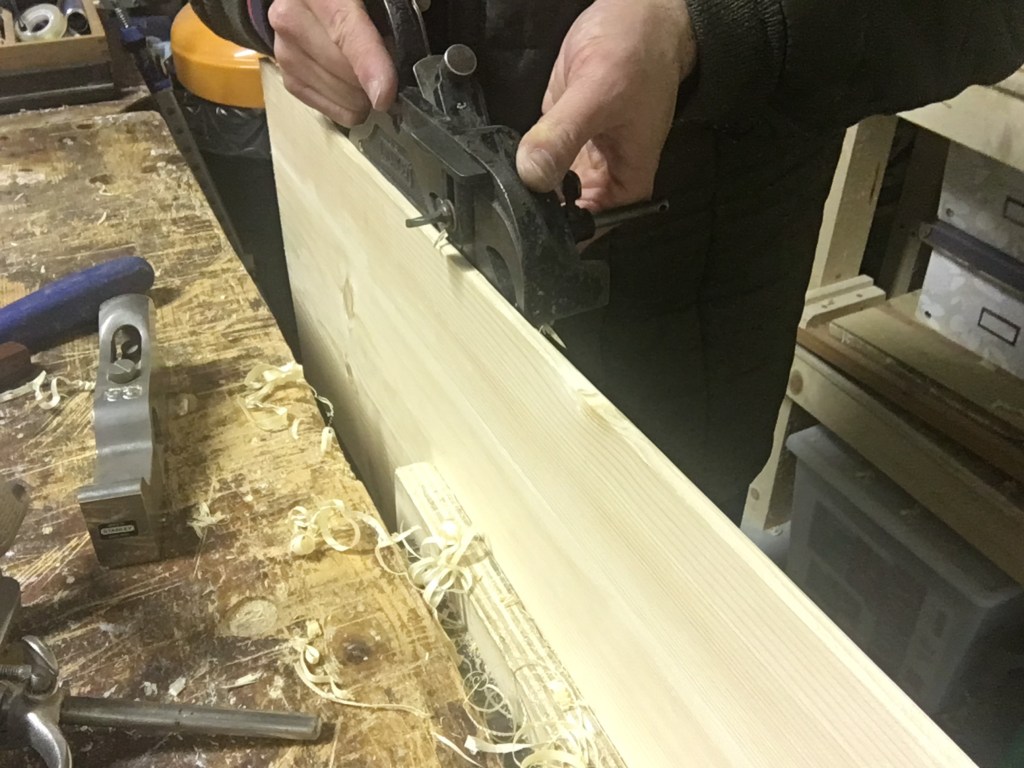
PIALLE PARTICOLARI. PIALLE PER BATTUTE. PIALLA STANLEY N. 78.
English translation at the end of the article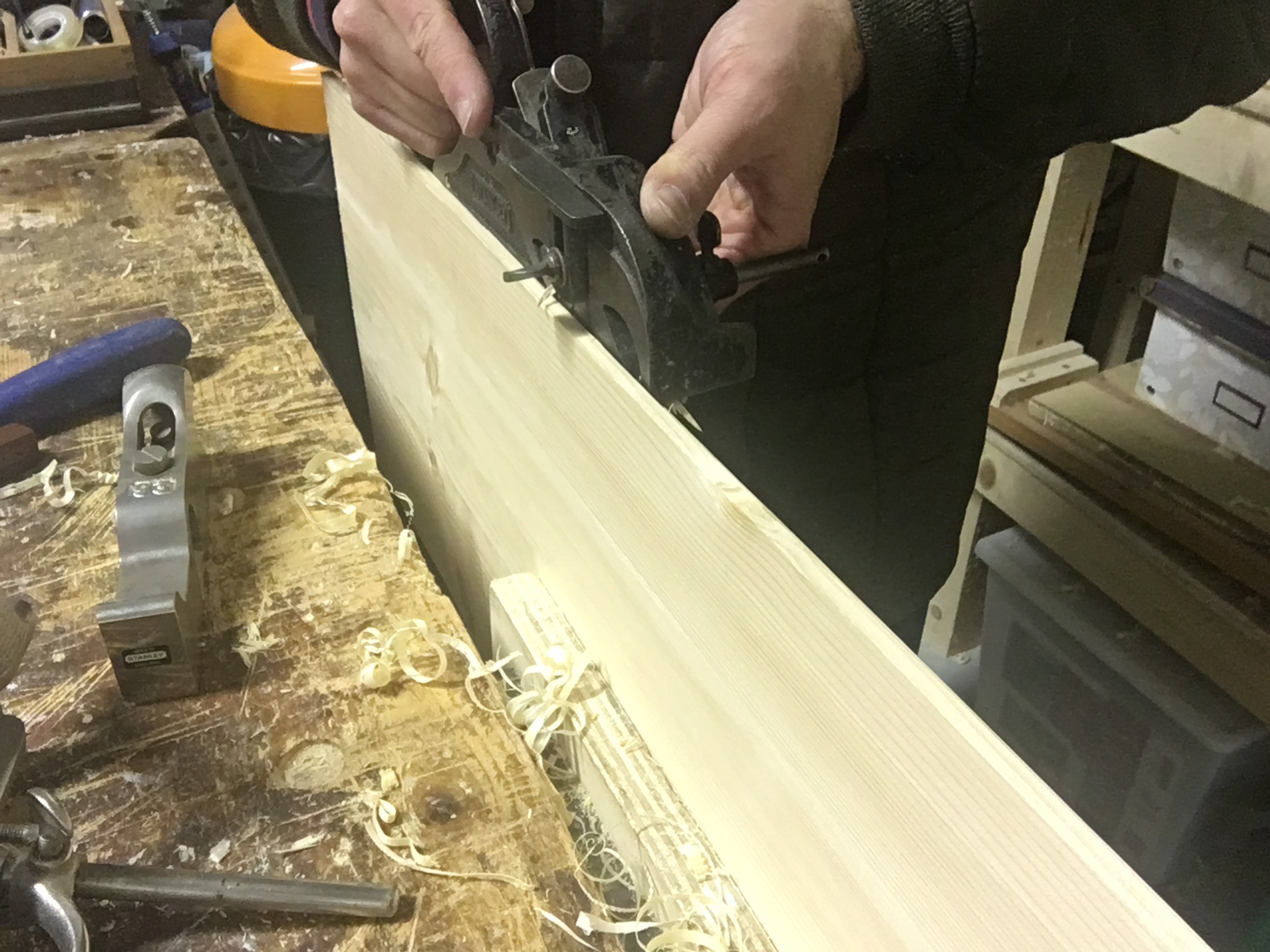 Nei precedenti post abbiamo parlato di alcune tipologie di pialle che, per la loro conformazione e specificità di utilizzo, rientrano nella categoria delle pialle particolari (o speciali). Tra queste abbiamo visto la router plane, la scraper plane e la plough plane, quest’ultima rientrante nella categoria delle pialle per scanalature.
Di seguito indico i link.
La finitura del legno. La rasiera e la cabinet scraper / Wood finishing. Card (bench) scraper and the cabinet scraper
Pialle particolari. Pialle per scanalature: l’incorsatoio /Special planes. Grooving planes: the plough (plow) plane
Pialle particolari. La Router plane / Special planes. Router plane
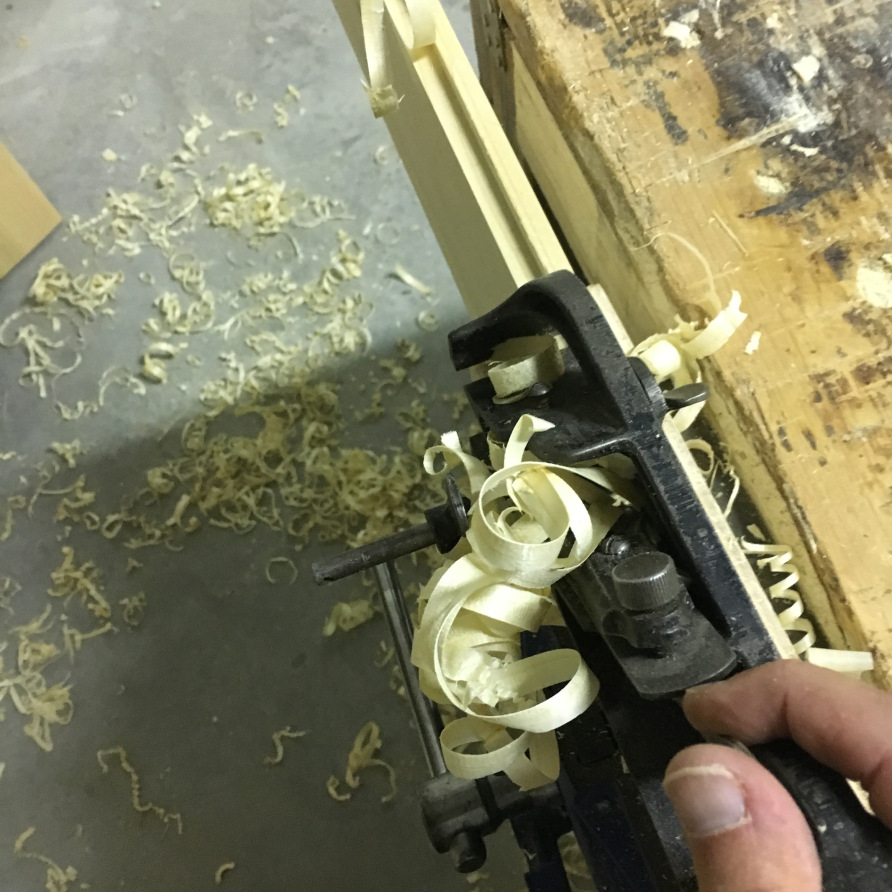
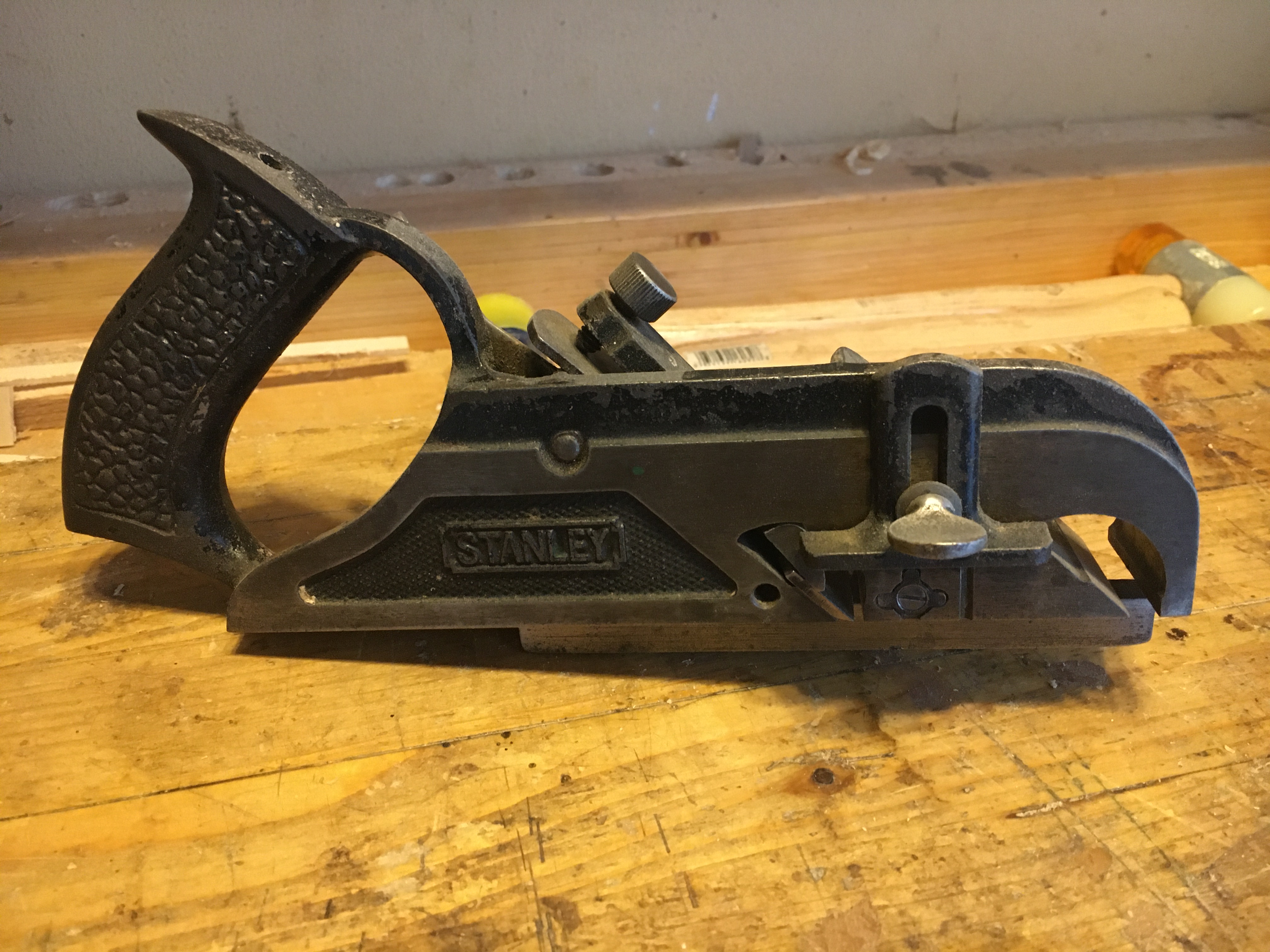
Un’altra categoria di pialle altrettanto importante è quella delle pialle per battute (rebate planes o rabbet planes). I modelli prodotti e compresi in questa categoria sono tanti. Solo per citare i più celebri possiamo ricordare la Stanley n.93, la Stanley n.90, la Stanley n.78 e le moving fillister, quest’ultime realizzate in legno. Tutte queste pialle sono in grado di realizzare molteplici lavorazioni ma quelle fondamentali sono essenzialmente due: la realizzazione di battute lungo il lato di un pezzo di legno e la rifinitura delle spalle dei tenoni nell’esecuzione di taluni tipi di incastri. Per quest’ultima lavorazione sono dedicate alcune tipologie di pialle come ad esempio la Stanley n.93 (detta anche sponderuola o shoulder plane) e la Stanley n. 90 (detta anche bullnose plane, per la sua particolare conformazione). Infine, molte di queste pialle montano una lama di tipo skewed, ovvero con la lama montata ad un certo angolo rispetto alla suola, particolarmente utile in questo tipo di lavorazioni. Di queste pialle parleremo comunque nello specifico in futuri post.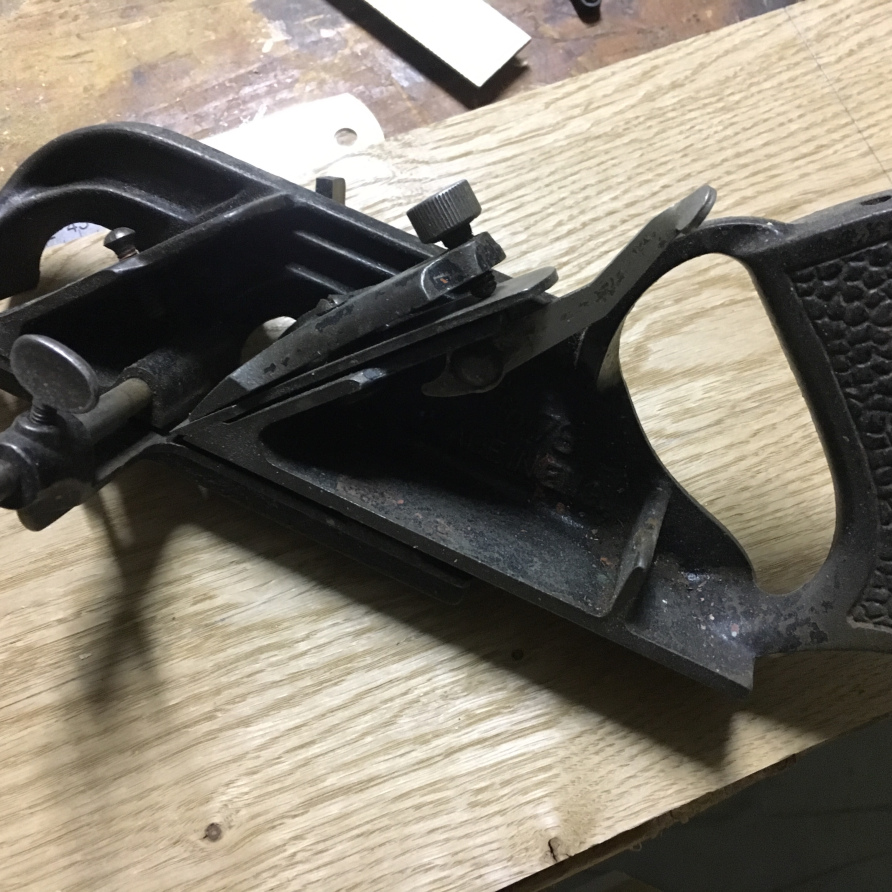 In questo articolo volevo invece soffermarmi a parlare della Stanley n.78 (duplex rabbet plane), una pialla che, a prima vista, ricorda la plough plane (incorsatoio) di cui abbiamo già parlato, ma che è deputata ad una diversa lavorazione.
 La Stanley n. 78 viene infatti utilizzata per la realizzazione di battute lungo il margine di un pezzo di legno e trova quindi il suo campo di applicazione nella realizzazione dei telai delle finestre, delle porte, del retro dei mobili e comunque dove debba essere successivamente inserito un pannello o un vetro. La battuta che è possibile realizzare è di larghezza inferiore o pari alla larghezza della lama della pialla. Nel caso della Stanley n.78 la misura della larghezza della lama è pari a 3,8 cm. circa, ovvero la larghezza della suola della pialla. La battuta può essere praticata sia lungovena, quindi nel senso delle fibre del legno, che traverso vena, ovvero recidendo verticalmente le fibre del legno.
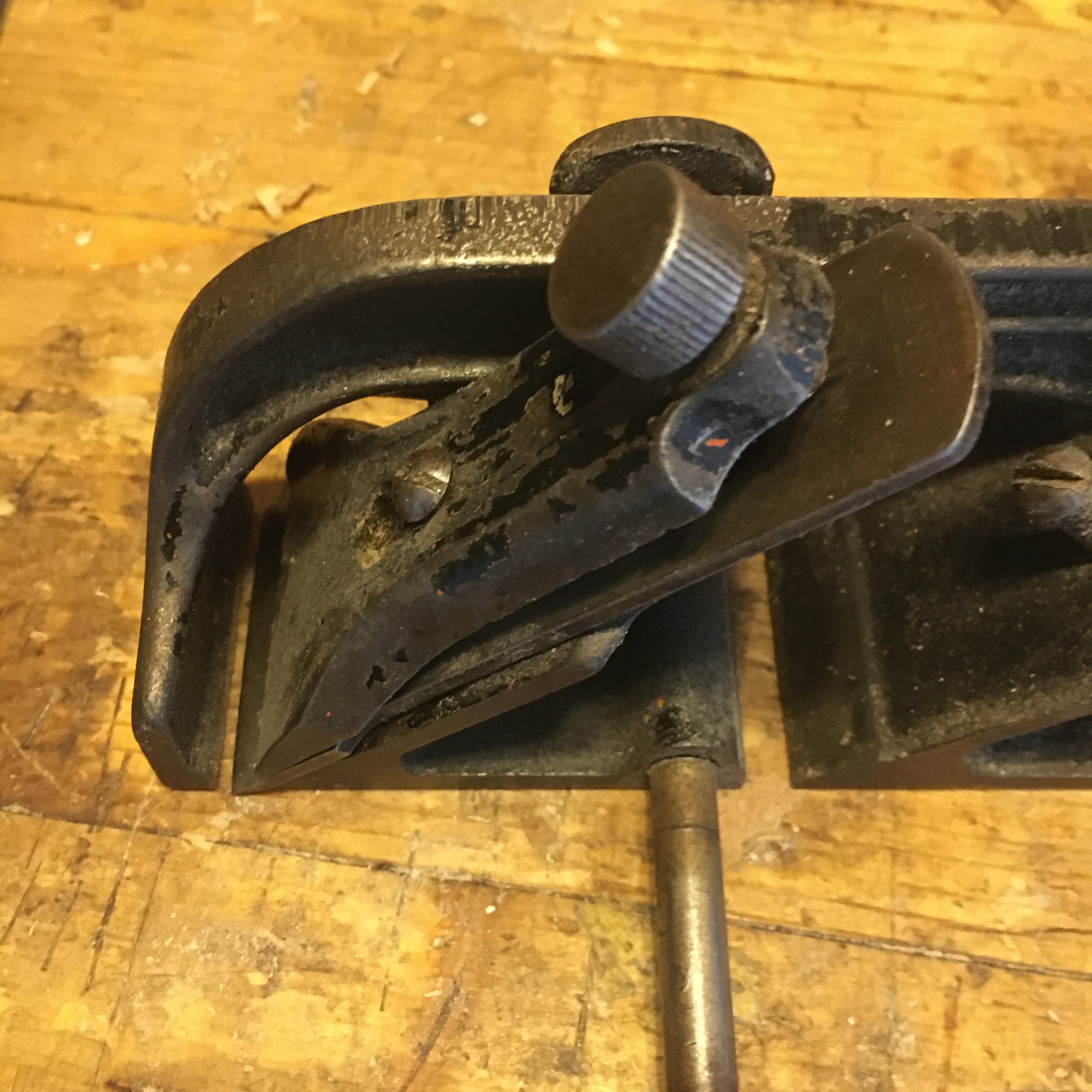 In quest’ultima lavorazione, occorre utilizzare l’apposito tagliente fornito in dotazione. La lama è inserita in posizione bevel down e può essere collocata sia in posizione più avanzata, in una configurazione tipo bullnose plane (per quelle lavorazioni in cui si debba realizzare una battuta interrotta, quindi non per tutta la lunghezza del pezzo) o nella sua normale posizione più arretrata, per realizzare battute a tutta lunghezza del pezzo.
 La pialla presenta un fianco completamente aperto ed un fianco chiuso ma che presenta un’apertura in prossimità della base della lama. Questo, tra l’altro, agevola anche la collocazione del fianco della lama in linea con il fianco della pialla, sul lato dal quale desideriamo ottenere la battuta. Il posizionamento della lama perfettamente a filo con il fianco della pialla (meglio se di una frazione di millimetro esposta verso il fianco dove stiamo praticando la battuta) servirà infatti per ottenere una battuta ortogonale con la base del pezzo. Inoltre è fondamentale che il tagliente della lama sia assolutamente parallelo alla bocca della pialla. Durante l’affilatura del tagliente prestiamo sempre attenzione a non arrotondare gli angoli, che dovranno sempre rimanere perfettamente squadrati, pena la successiva cattiva riuscita della battuta.
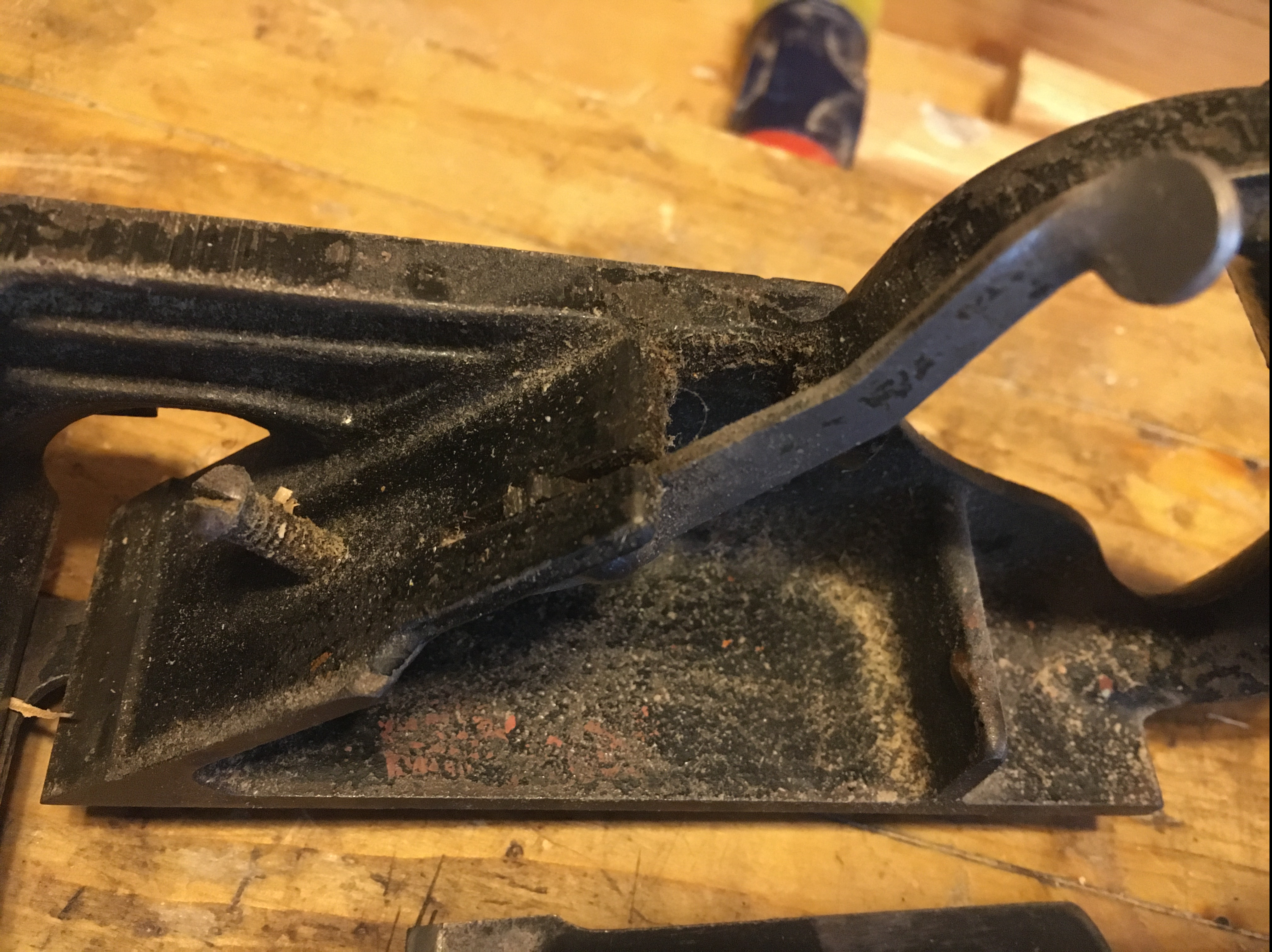 La lama si appoggia sul frog e si comanda per mezzo di una leva che permette di aumentare o diminuire la profondità di taglio. Agendo sulla leva muovendola verso l’alto la lama si abbassa, azionandola verso il basso la lama si alza.
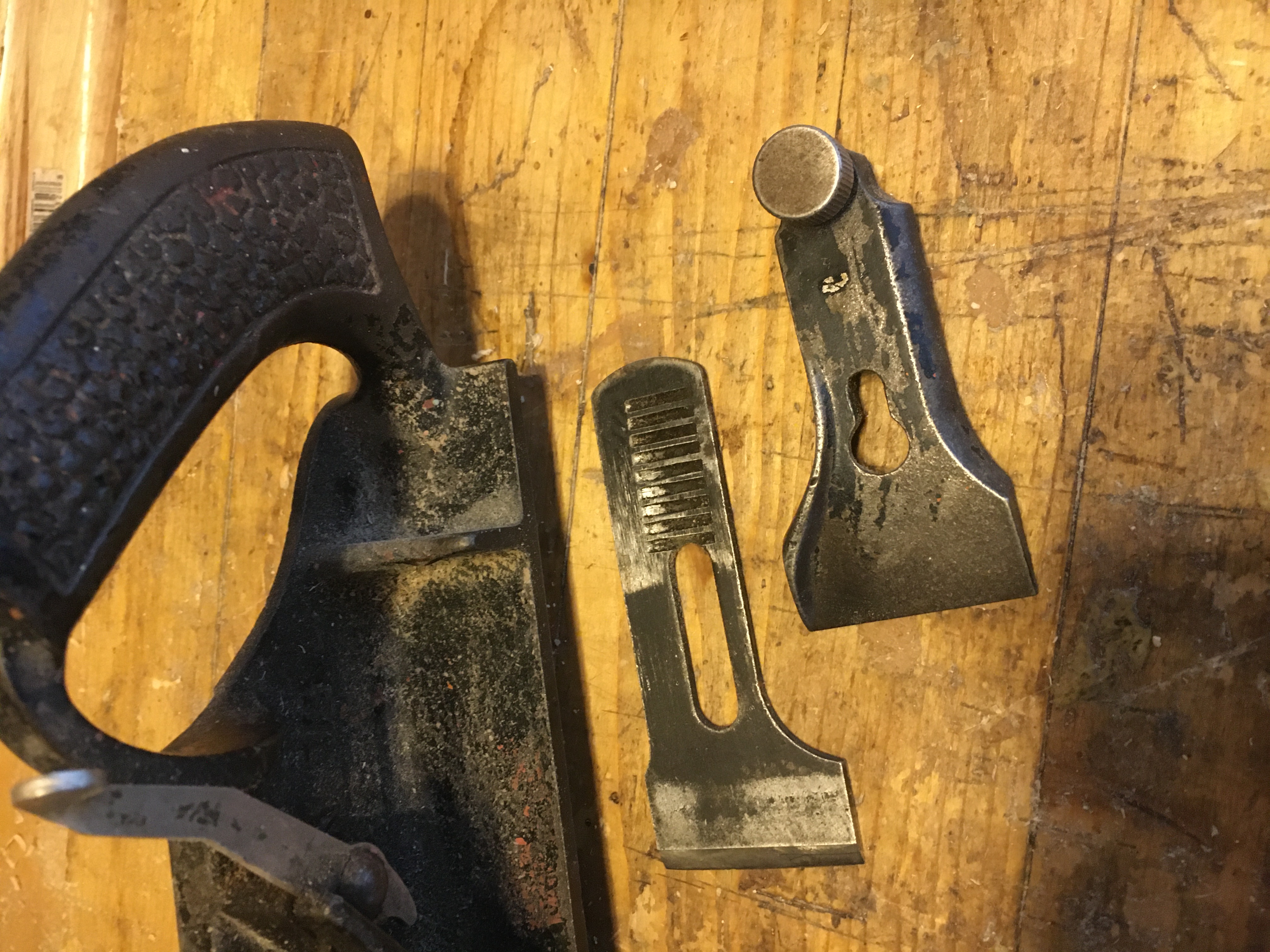 Sul dorso della lama sono ricavate delle scanalature che servono per l’inserimento del perno della leva che regola la profondità della lama. La lama si mantiene ferma in posizione per mezzo di un lever cap, a sua volta bloccato per mezzo di una vite centrale e di una rotella zigrinata. Quest’ultima rotella permette di regolare la pressione esercitata sul corpo della lama e trasferirla, con effetto leva attraverso la vite centrale, direttamente nella zona vicino al tagliente, sostenendone la rigidità.
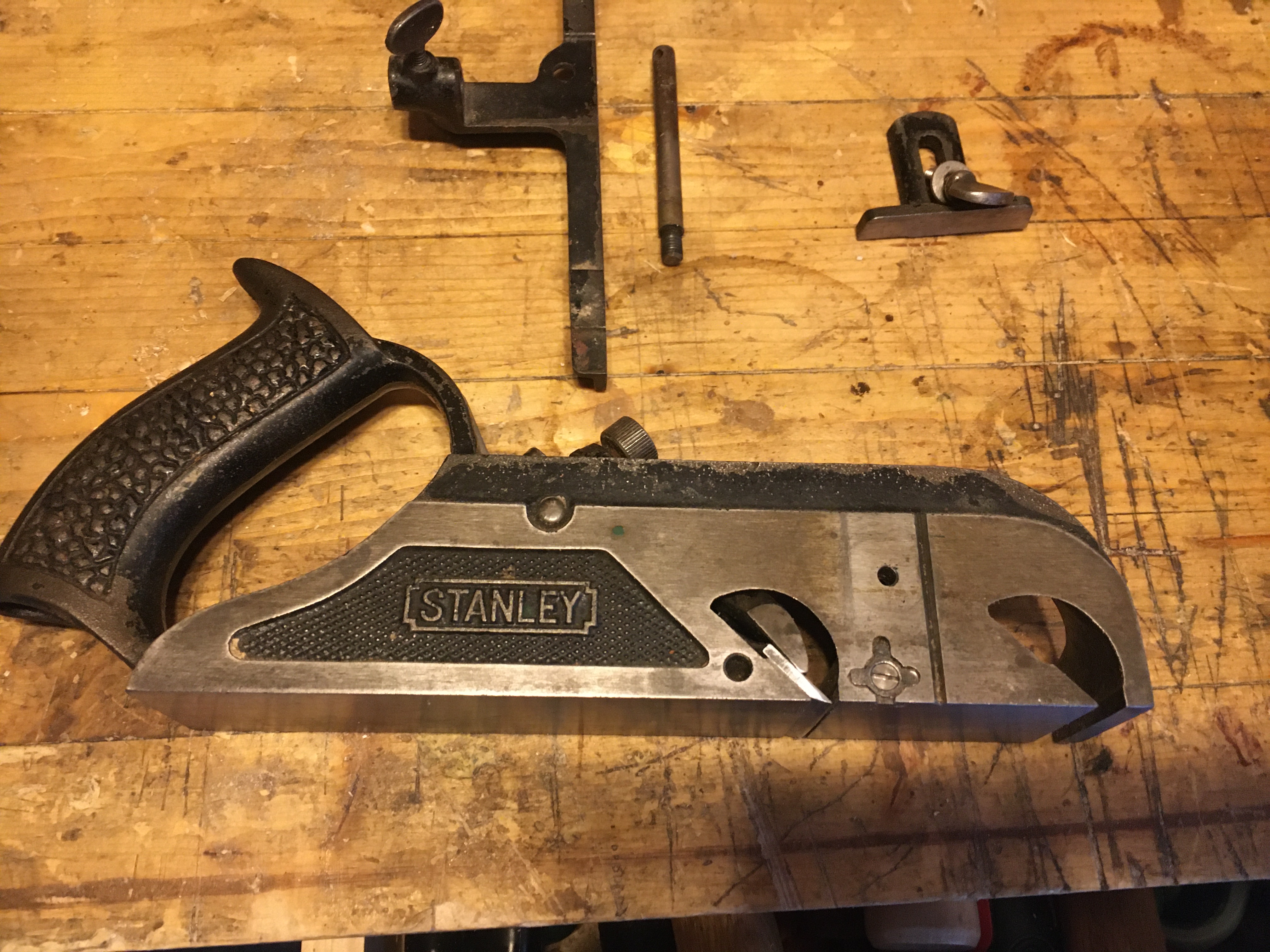 La Stanley n.78 è accessoriata con una guida laterale parallela, uno stop di profondità ed un incisore per facilitare la creazione di battute traverso vena. La pialla può comunque essere utilizzata, seppure con difficoltà, anche senza l’ausilio dei suddetti accessori, come una sponderuola.
 La guida parallela scorre su un cilindro metallico e può essere inserita su ambedue i lati della pialla, bloccandosi nella posizione desiderata per mezzo di una vite a galletto.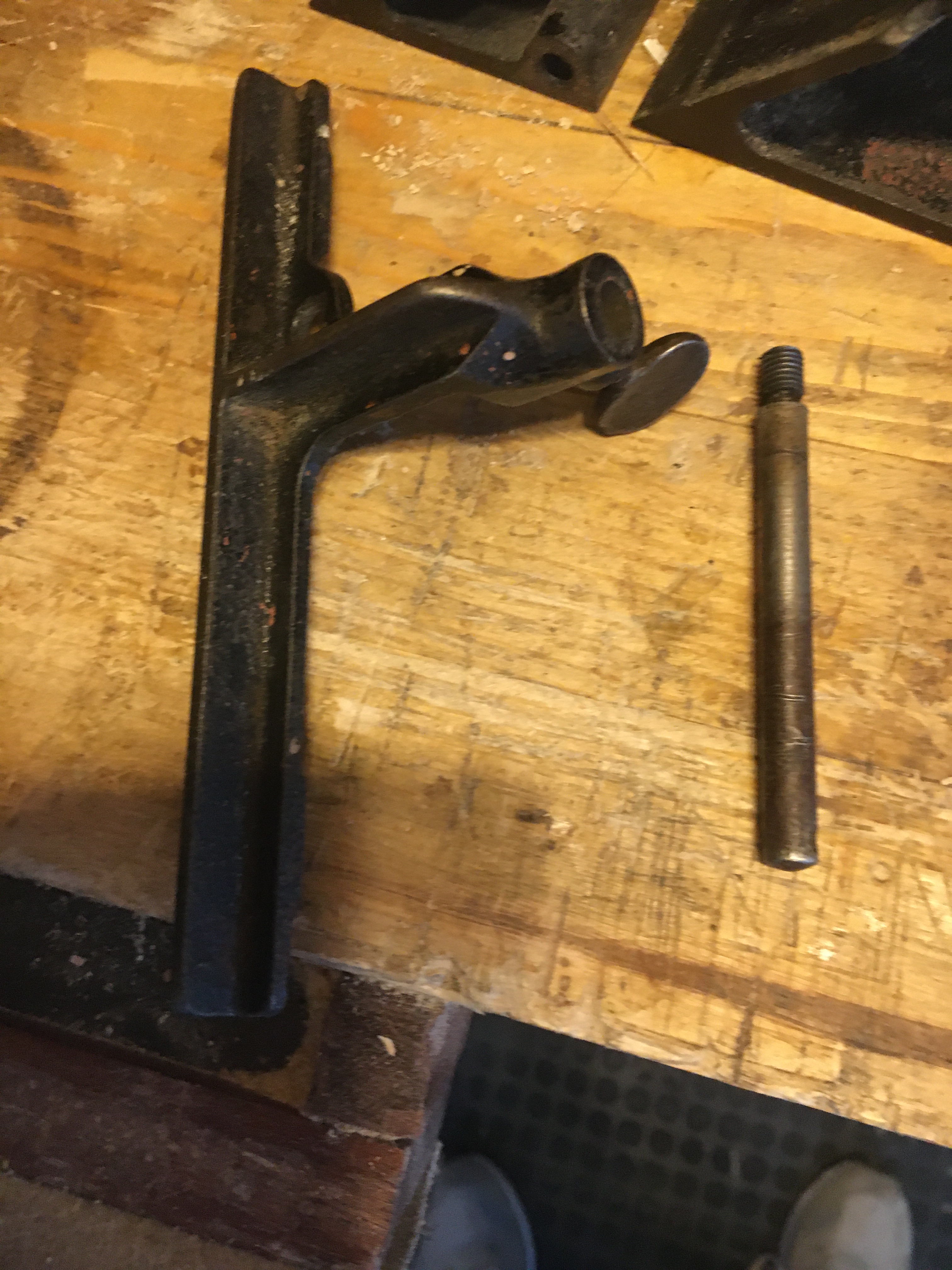

 In realtà questa guida è forse un po’ troppo ridotta nelle dimensioni e quindi, come visto per la plough plane, è consigliabile costruirsi un supporto in legno duro di lunghezza maggiore della guida stessa, da avvitare alla guida in metallo, così da aumentarne la superficie di appoggio. Inoltre la presenza di una sola barra cilindrica per la guida non aiuta a mantenere un perfetto parallelismo durante il lavoro (ad esempio la pialla Record n.778, del tutto simile alla Stanley n.78, è consigliabile, possedendo una guida più lunga e due supporti cilindrici).Lo stop di profondità si inserisce nel corpo pialla e viene mantenuto in posizione per mezzo di una vite a galletto. Lo stop può essere regolato fino ad un massimo di 1,8 cm circa. Nel caso di non utilizzo, o se non vogliamo avere dei limiti nella profondità, è possibile rimuoverlo così da non intralciare durante la lavorazione.
L’incisore (spur) è una piccola rotella sagomata con tre incisori che è avvitata al corpo pialla e da mantenersi in posizione ritratta se non utilizzata. Come intuibile dal suo nome questa rotella incide le fibre del legno, recidendole, e facilitando quindi la successiva azione di piallatura della lama. Si può utilizzare sia per tagli lungovena che traverso vena, ma il suo principale utilizzo è per le battute da farsi traverso vena.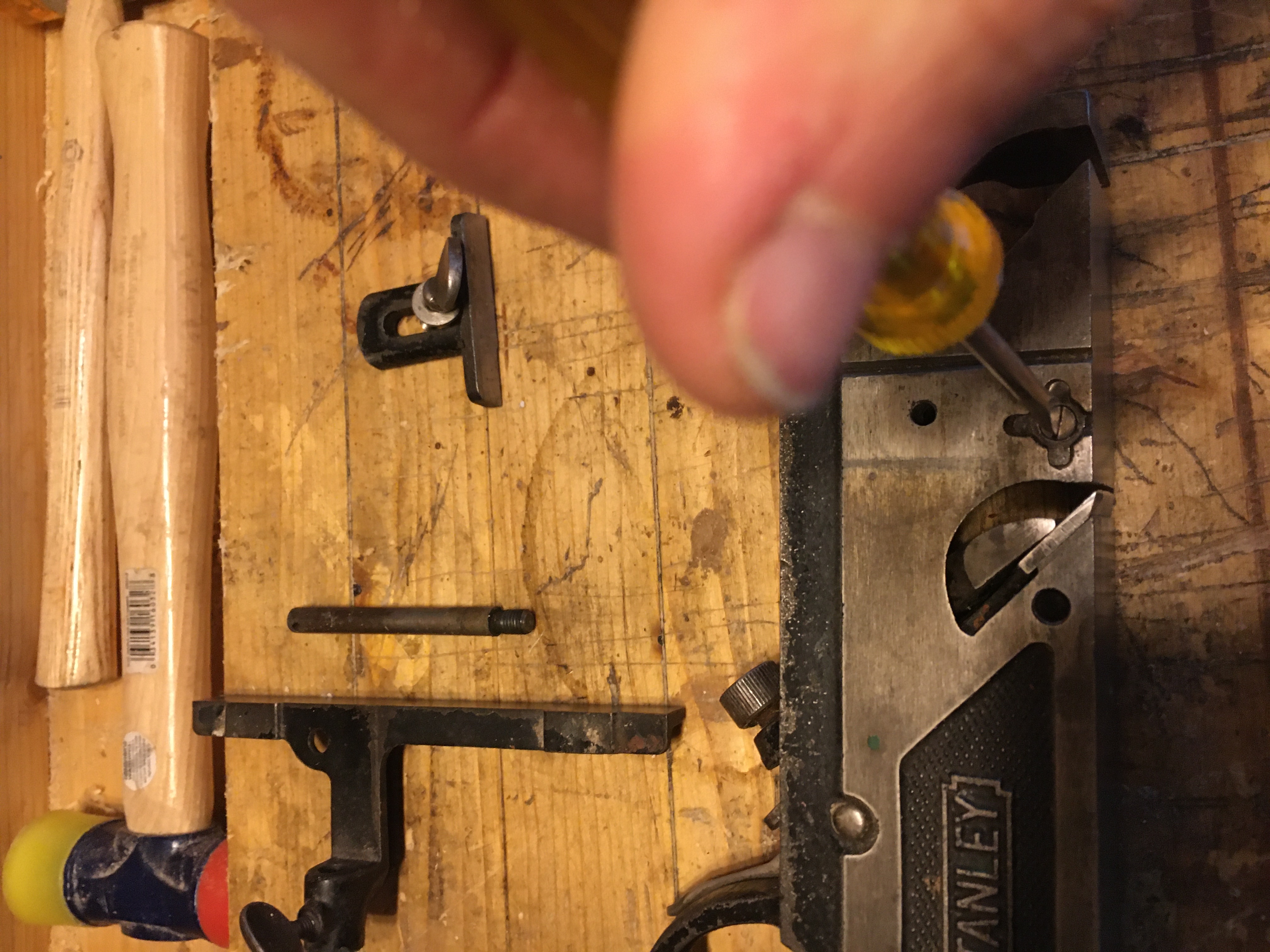
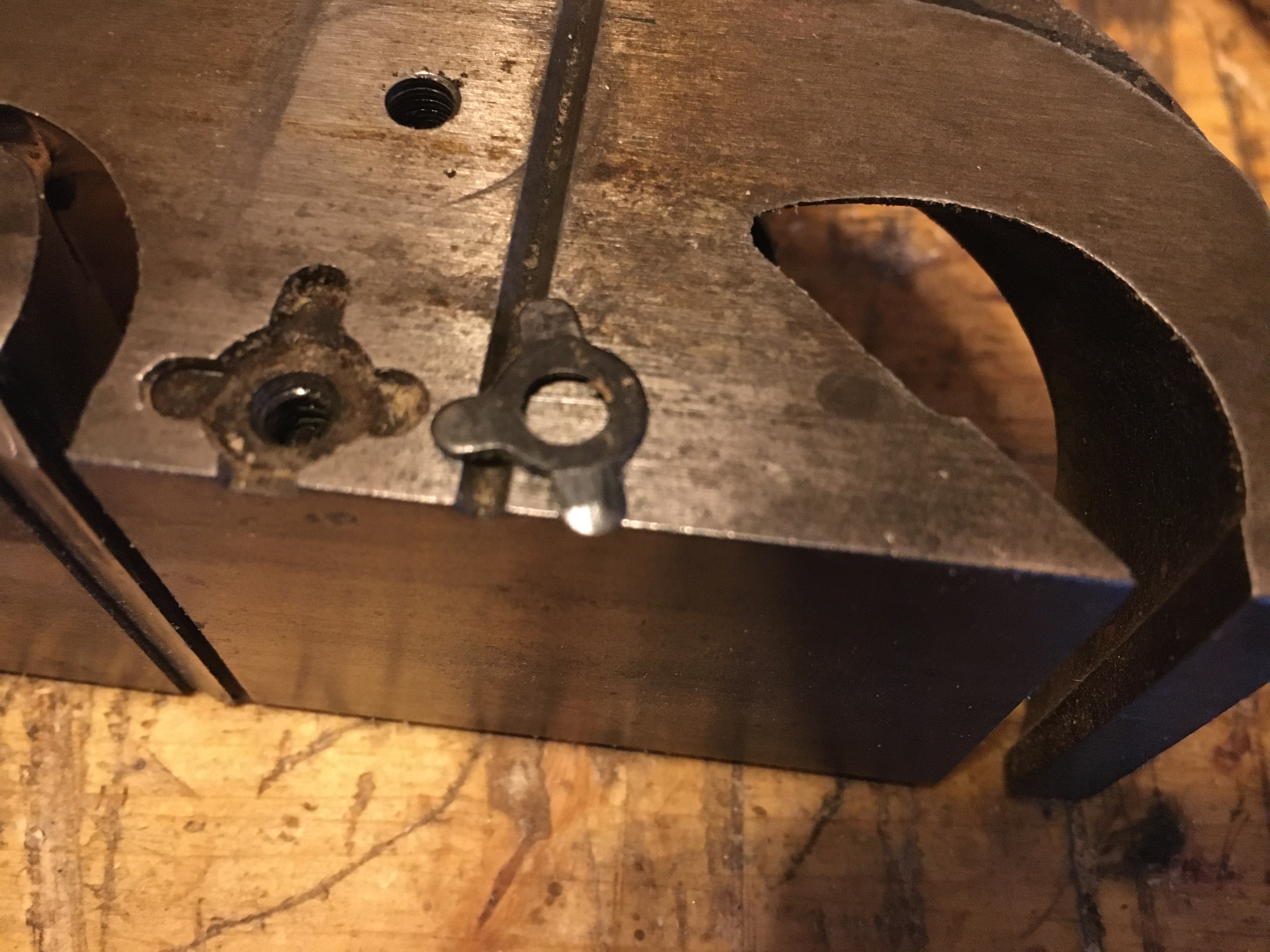
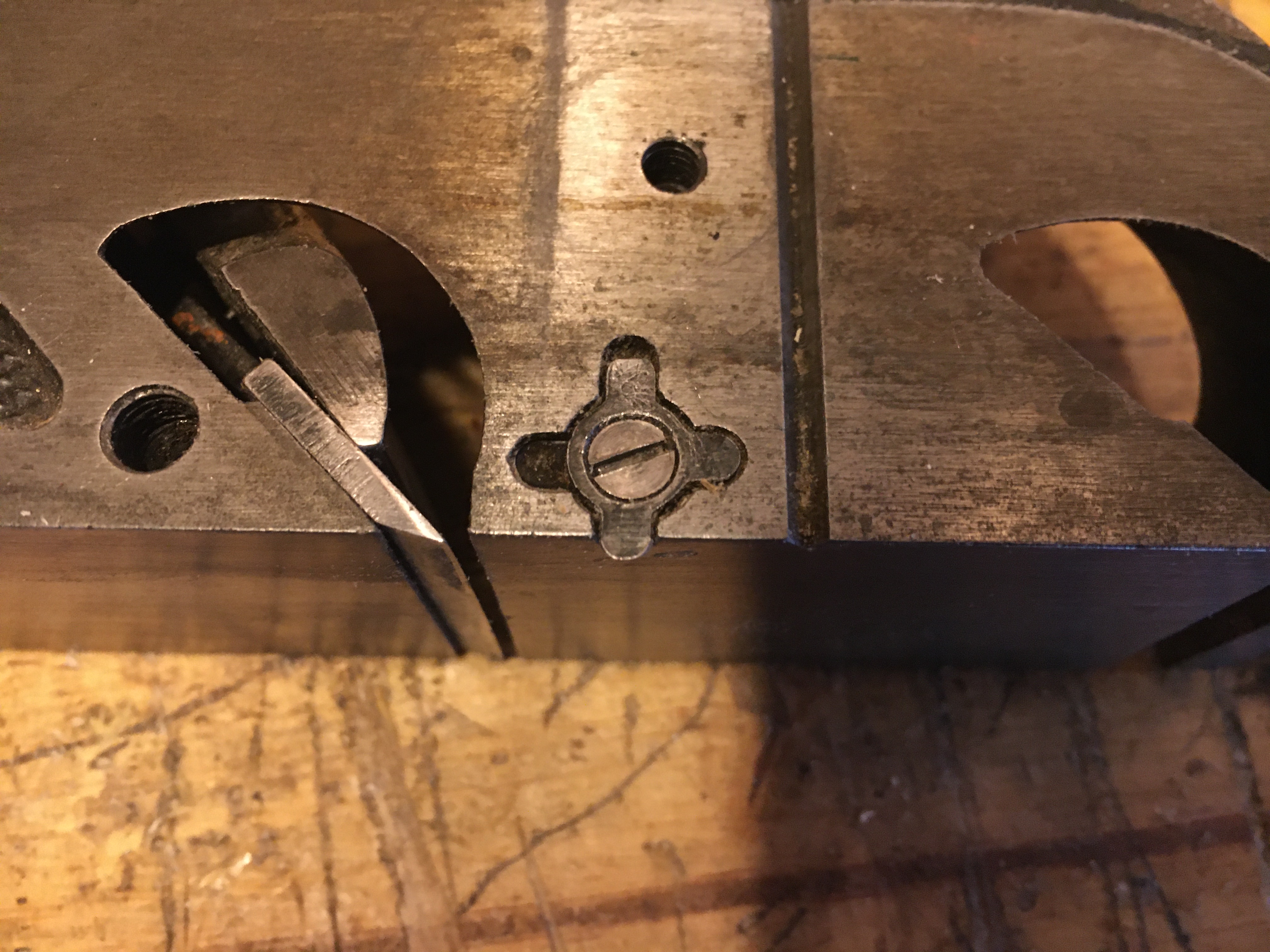 Per utilizzarla si rimuove la vite e si gira la rotella in modo che uno dei taglienti (che avremo precedentemente affilato con della carta abrasiva avvolta su un pezzetto di legno o con una lima) sporga verso il basso dalla suola della pialla di circa un millimetro. Quindi si blocca in posizione per mezzo della vite. La rotella incisore anticipando l’azione della lama della pialla recide le fibre del legno creando una linea di demarcazione, un microsolco, che facilita la successiva azione della lama della pialla, ovviando così anche al problema dello strappo delle fibre, facilitandone notevolmente l’azione. L’accortezza sarà quella di mantenere affilato il tagliente della rotella e, quando non utilizzata, tenerla avvitata in posizione ritratta così da non perderla, viste le sue dimensioni ridotte.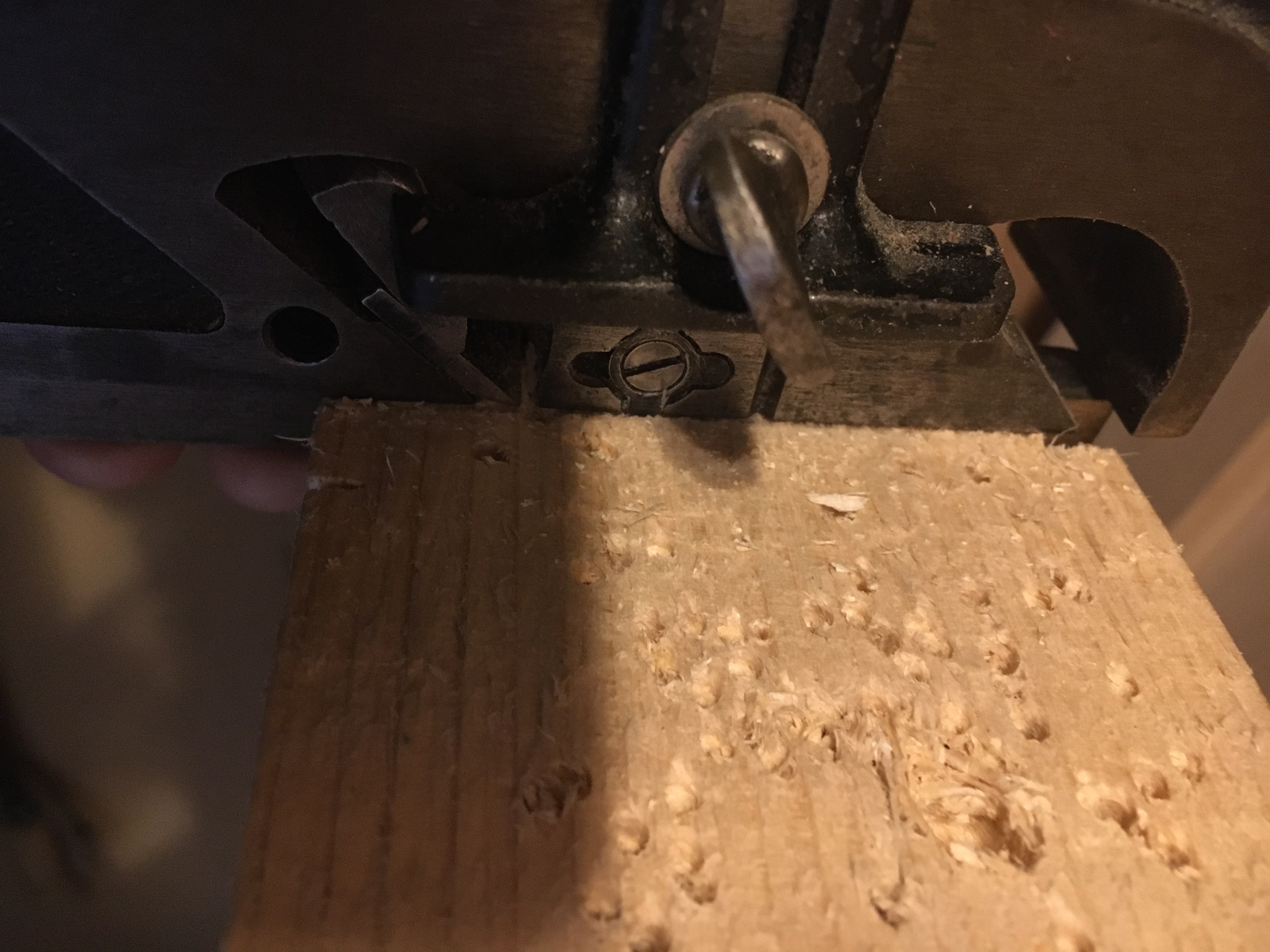
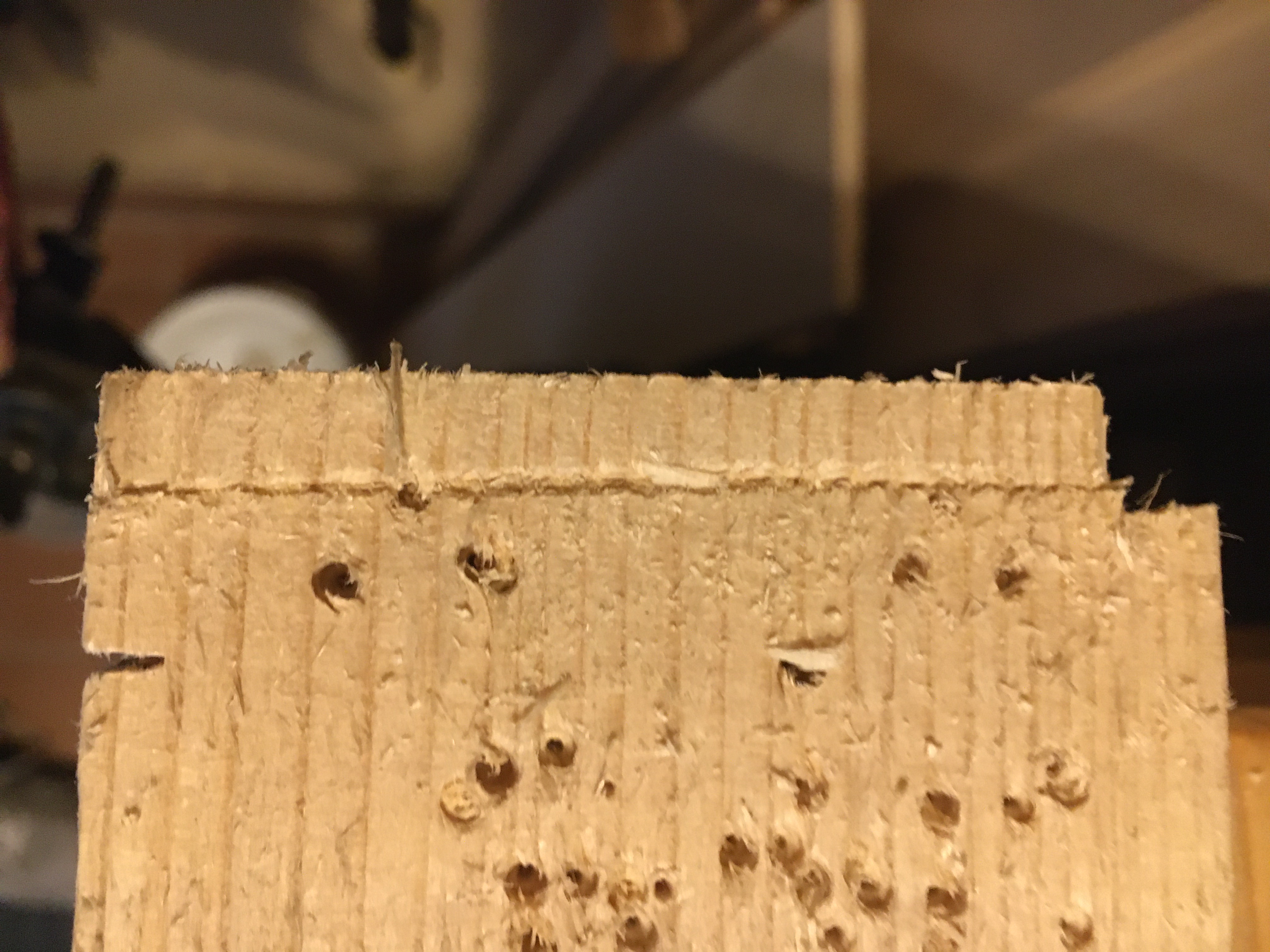
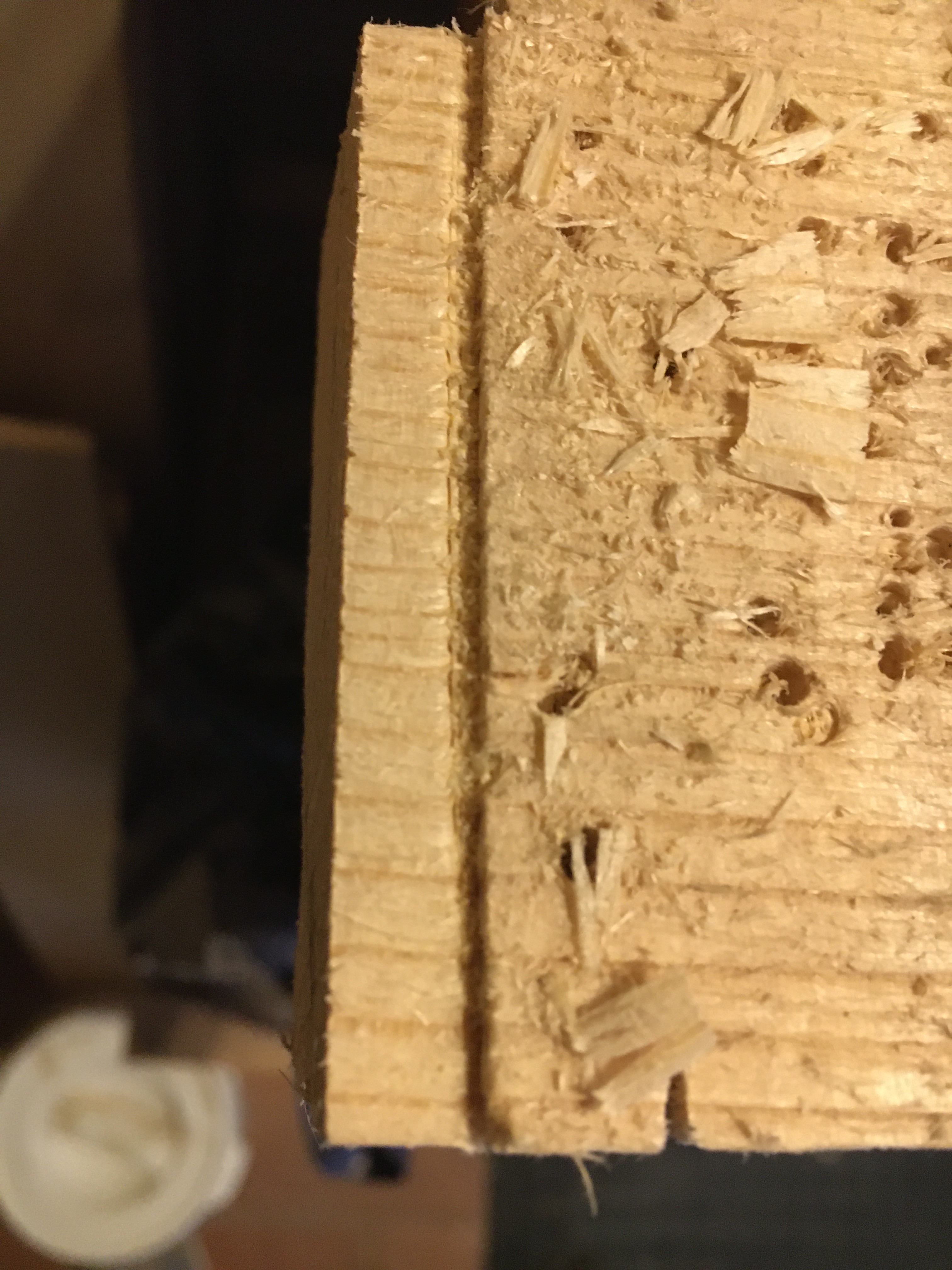 La rotella incisore è di sicura utilità ma lo stesso risultato potremmo comunque ottenerlo recidendo con un coltellino da tracciatura o con una sega a denti fini. La Stanley n.78 può lavorare da ambo i lati del pezzo: dopo averlo girato dovremo provvedere a spostare la guida sull’altro lato ed assicurarci che la lama sia ancora a filo con il fianco della pialla. Ciò risulta utile quando non si riesce a piallare in una direzione, ad esempio quando stiamo piallando controvena. Le raccomandazioni generali sono comunque sempre quelle di utilizzare il più possibile legno con fibra regolare e privo di nodi. Questo ci faciliterà notevolmente il lavoro.L’azione di piallatura è del tutto simile a quella vista per la plough plane. Se si è destrorsi, con la mano sinistra si mantiene adesa la guida parallela al fianco del lato del pezzo da lavorare e con la mano destra si spinge l’utensile. Se usata senza guida, la mano sinistra si appoggia sopra l’utensile, sulla parte anteriore. L’importante è mantenere comunque sempre ben adesa la pialla alla battuta da realizzare, cercando di mantenere l’ortogonalità tra fianco e base. La lama deve essere regolata per rimuovere trucioli fini. L’asportazione del legno infatti deve avvenire poco alla volta così da evitare inceppamenti, strappi del legno ed un inutile sforzo fisico. Partendo dall’estremità del pezzo da lavorare (quella di fronte a noi), si procede a ritroso con piccole passate fino ad arrivare all’altro capo del pezzo, così da ottenere una prima, ben definita, battuta. A seguire si può procedere con lunghe passate partendo questa volta dall’estremità più vicina a noi in un movimento in avanti fino a quando non avremo raggiunto la profondità desiderata o settata con lo stop di profondità, la cui suola, entrando in contatto con il pezzo da lavorare, impedirà di piallare al di sotto del limite prefissato.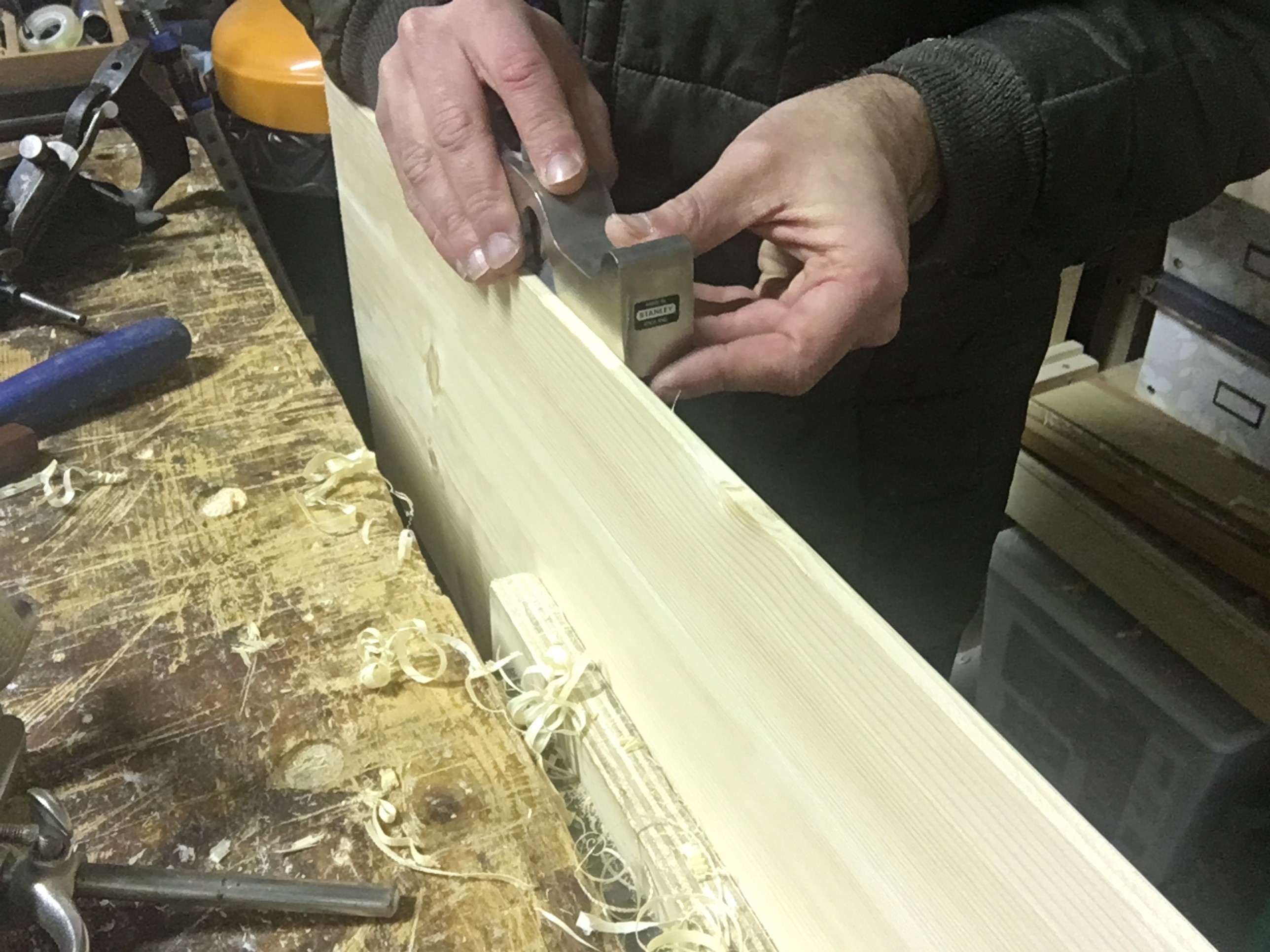
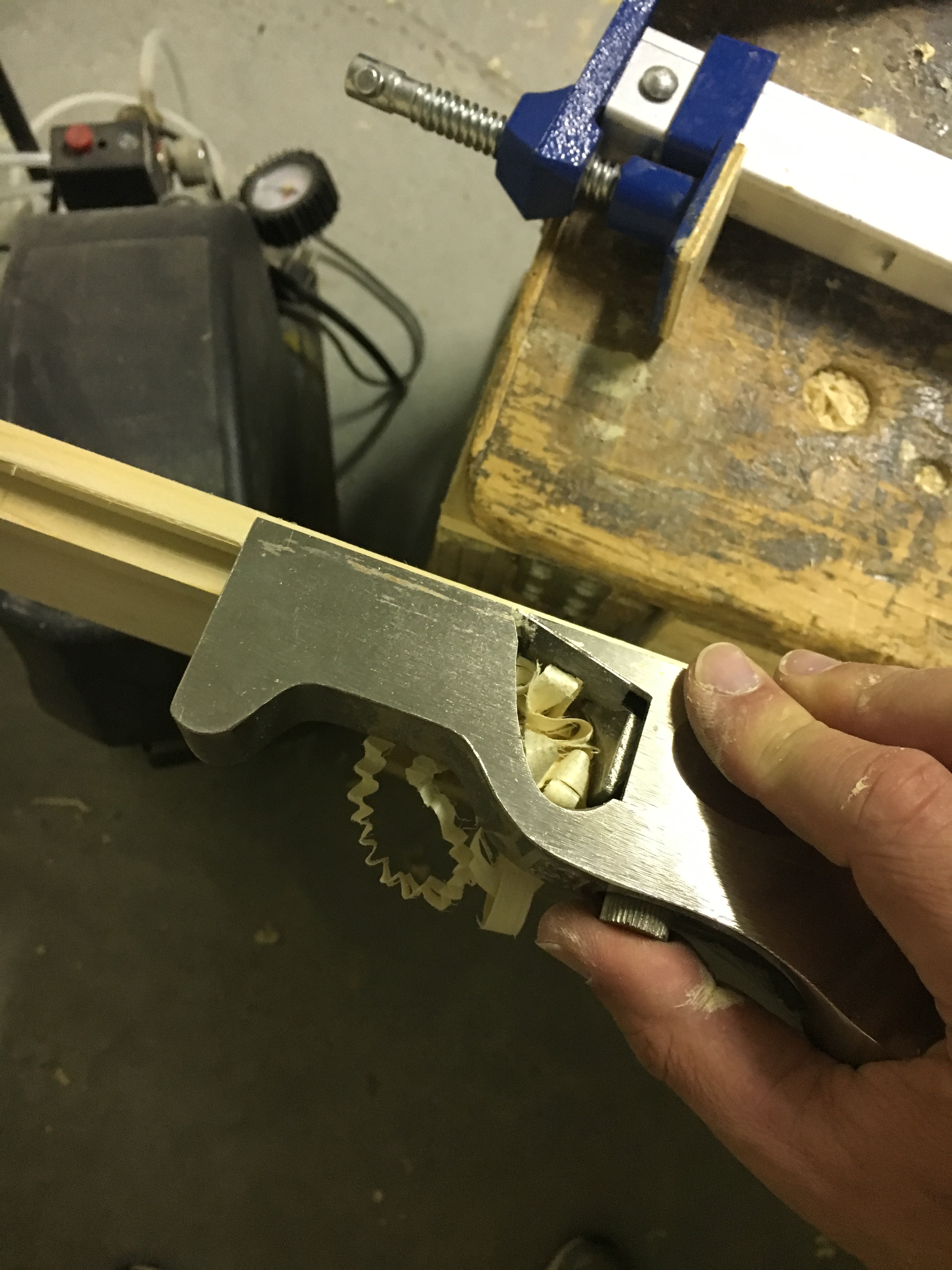 È buona regola controllare frequentemente il lavoro, soprattutto che la battuta stia venendo in squadra con la base e che la lama non stia mangiando il legno della spalla, creando una battuta a scalini. Se così fosse dovremo intervenire subito con l’aiuto di una sponderuola eliminando lo scalino creatosi e ripristinando la perfetta ortogonalità. Molto spesso accade, specialmente se la lama è stata regolata per asportare troppo materiale, che la bocca della pialla si intasi di trucioli e non permetta di continuare a lavorare. Questo può accadere anche se abbiamo settato bene la nostra pialla ed è dovuto alla particolare conformazione della pialla stessa. Armiamoci quindi di pazienza e, con l’ausilio di un cacciavite, rimuoviamo con la sua punta l’ostruzione, avendo l’accortezza di non urtare il tagliente della lama. La Stanley n.78 è in definitiva un utensile indispensabile per creare battute nel legno ma non è certamente l’unico in grado di farlo. Come accennato sopra, infatti, ci sono anche altre tipologie di pialle (specialmente alcune in legno, come ad esempio le moving fillister), e realizzate da altri produttori (come la storica azienda Record) che sono in grado di fare lo stesso lavoro. Se vogliamo acquistarne una possiamo come al solito cercare nel mercato dell’usato su Ebay.co.uk e digitare, ad esempio, Stanley 78 plane. Se ne trovano ancora tante a prezzi contenuti. Il consiglio è sempre quello di verificare le condizioni generali della pialla, in particolare la lunghezza della lama, che ne caratterizza la vita residua, che la suola sia priva di grosse imperfezioni, specialmente vicino alla bocca, e che tutti gli accessori previsti, e di cui abbiamo parlato, siano ancora presenti.
_______________________________________________________________________________________________________
In previous posts we talked about some types of planes that, due to their conformation and specificity of use, fall into the category of special (or special) planes. Among these we have seen the router plane, the scraper plane and the plough plane, the latter falling into the category of grooving planes.
Above are the links.
Another equally important category of planes is that of rebate or rabbet planes. There are many models produced and included in this category. Just to mention the most famous we can remember the Stanley n.93, the Stanley n.90, the Stanley n.78 and the moving fillister, the latter made in wood. All these planes are able to carry out multiple processes but the fundamental ones are essentially two: the making of a rebate along the side of a piece of wood and the adjusting of the shoulders of the tenons in the making of certain types of joints. For this last processing some types of planes are dedicated, such as the Stanley n.93 (shoulder plane) and the Stanley n. 90 (also called bullnose plane, due to its particular shape). Finally, many of these planes are fitted with a skewed blade, mounted at an angle respect to the sole, particularly useful in this type of work. We’ll talk about these planes specifically in future posts.
In this article I wanted instead to talk about the Stanley n.78 (duplex rabbet plane), a plane that, at first glance, reminds us of the plough plane (we have already talked about it),but which is assigned to a different task.
The Stanley n. 78 is in fact used for the making of rebates along the edge of a piece of wood and therefore finds its field of application in the realization of the frames of the windows, of the doors, of the back of the furniture and in any case where a panel or a glass must be subsequently inserted. The rebate width that can be made is less than or equal to the width of the sole of the plane. In the case of the Stanley n.78 the measure of the width of the blade is equal to 3.8 cm. approximately. The rebate can be practiced either along the grain, therefore in the direction of the wood fibers, or cross the grain, by vertically cutting the wood fibers.
In this last process, it is necessary to use the special cutting edge supplied. The blade is inserted in the bevel down position and can be placed both in a more advanced position, in a bullnose plane type configuration (for those operations where a stopped rebate must be made, so not for the entire length of the piece) or in its normal rear position, to achieve full-length stroke of the piece.
The plane has a completely open side and a closed side but which has an opening near the cutting edge. This also facilitates the positioning of the side of the blade in line with the side of the plane, on the side from which we wish to obtain the rebate. The positioning of the blade perfectly flush with the side of the plane (preferably a fraction of a millimeter exposed against the shoulder) will in fact be used to obtain an orthogonal rebate with the base of the piece. It is also essential that the cutting edge of the blade is absolutely parallel to the mouth of the plane. During sharpening of the cutting edge we always pay attention not to round the corners, which must always remain perfectly square, or our work well be compromised.
The blade rests on the frog and is controlled by means of a lever that allows you to increase or decrease the cutting depth. Acting on the lever by moving it upwards, the blade is lowered, moving it downwards the blade rises.
On the back of the blade there are some slots that are used to insert the pin of the lever that adjusts the depth of the blade. The blade stays in place by means of a lever cap, which is in turn locked by means of a central screw and a knurled wheel. This last wheel allows to regulate the pressure exerted on the body of the blade and transfer it, with a lever effect through the central screw, directly into the area near the cutting edge, supporting its rigidity.
The Stanley n.78 is equipped with a parallel side guide, a depth stop and a spur to facilitate the making of cross grain rebates. The plane can still be used, even if with difficulty, even without the aid of the aforementioned accessories, such a shoulder plane.
The parallel guide moves on a metal bar and can be inserted on both sides of the plane, locking in the desired position by means of a wing nut screw.
In reality this guide is perhaps a bit too small in size and therefore, as seen for the plough plane, it is advisable to build a support in hardwood longer than the guide itself, to be screwed, so as to increase the supporting surface. Furthermore, the presence of a single cylindrical guide bar does not help to maintain perfect parallelism during work (for example the Record n.778 plane, very similar to the Stanley n.78, is advisable, having a longer guide and two cylindrical supports).
The depth stop is inserted into the plane body and is kept in position by means of a wing nut screw. The stop can be adjusted up to a maximum of about 1.8 cm. In the case of non-use, or if we do not want to have limits in depth, it is possible to remove it so to have it out if the was during our work.
The spur is a small shaped wheel with three cutters that is screwed to the plane body and to be kept in retracted position if not used. This wheel cuts the fibers of the wood, and thus facilitating the subsequent planing action of the blade. It can be used both for long and cross grain cuts, but its main use is for the cross grain.
To use it, remove the screw and turn the wheel so that one of the cutting edges (which we have previously sharpened with sandpaper wrapped on a piece of wood or with a file) protrudes downwards from the sole of the plane of about one millimeter. Then it locks in place by means of the screw. The spur anticipating the action of the blade of the plane cuts the wood fibers creating a line of demarcation, a micro-groove, which facilitates the subsequent action of the blade of the plane, thus obviating the problem of tear off, greatly facilitating the action. Take care to keep the cutting edge of the spur sharp and, when not in use, keep it screwed in the retracted position so as not to lose it, given its small size.
The spur is certainly useful, but the same result could be obtained using a small knife or a saw with fine teeth. The Stanley n.78 can work on both sides of the piece: after turning it we will have to move the guide on the other side and make sure that the blade is still flush with the side of the plane. This is useful when you are unable to plane in one direction, for example when we are planing against the grain. However, as a general recommendation, I suggest to use wood with regular fiber and without knots. This will greatly facilitate our work.
The planing action is very similar to that seen for the plough plane. If you are right-handed, with your left hand keep the guide parallel to the side of the work and with your right hand push forward the tool. When used without a guide, the left hand rests on the front part of the plane. The important thing is to keep the guide of the plane , trying to maintain the orthogonality between the side and the base. The blade must be set to remove fine shavings. The removal of wood must take place little by little so as to avoid jamming, tearing of the wood and unnecessary physical effort. Starting from the end of the piece to be worked (the one in front of us), we proceed backwards with short passes to reach the other end of the piece, so as to obtain a well-defined first rebate. Then you can proceed with long passes starting from the end closest to us in a forward movement until we reach the desired depth, set with the depth stop. The sole of the depth stop, touching the piece to work, will prevent planing below the set limit.
It is a good rule to check the work frequently, trying to obtain a crisp and perpendicular intersection paying attentino that the blade is not eating the wood of the shoulder, creating some steps as we go on working. If this were the case, we will have to use a shoulder plane, eliminating the step created and restoring perfect orthogonality. Very often it happens, especially if the blade has been adjusted to remove too much material, that the mouth of the plane is clogged with shavings and does not allow it to continue working. This can happen even if we have set our plane well and it is due to the particular shape of the plane itself. With patience and, with the aid of a screwdriver, remove the shavings with its tip, being careful not to hit the cutting edge of the blade. The Stanley n.78 is an indispensable tool for creating rebates in wood but it is certainly not the only one capable of doing so. As mentioned above, there are also other types of planes (especially some made of wood, such as moving fillisters), and made by other manufacturers (such as the historic Record company) who does the same job. If we want to buy one we can as usual search the used market on Ebay.co.uk and type, for example, Stanley 78 plane. There are still many at low prices. The advice is always to check the general condition of the plane, in particular the length of the blade, which characterizes its residual life, that the sole is free of large imperfections, especially near the mouth, and that all the accessories provided, and we talked about, are still present.


 CREAROBI
Lascia un commento