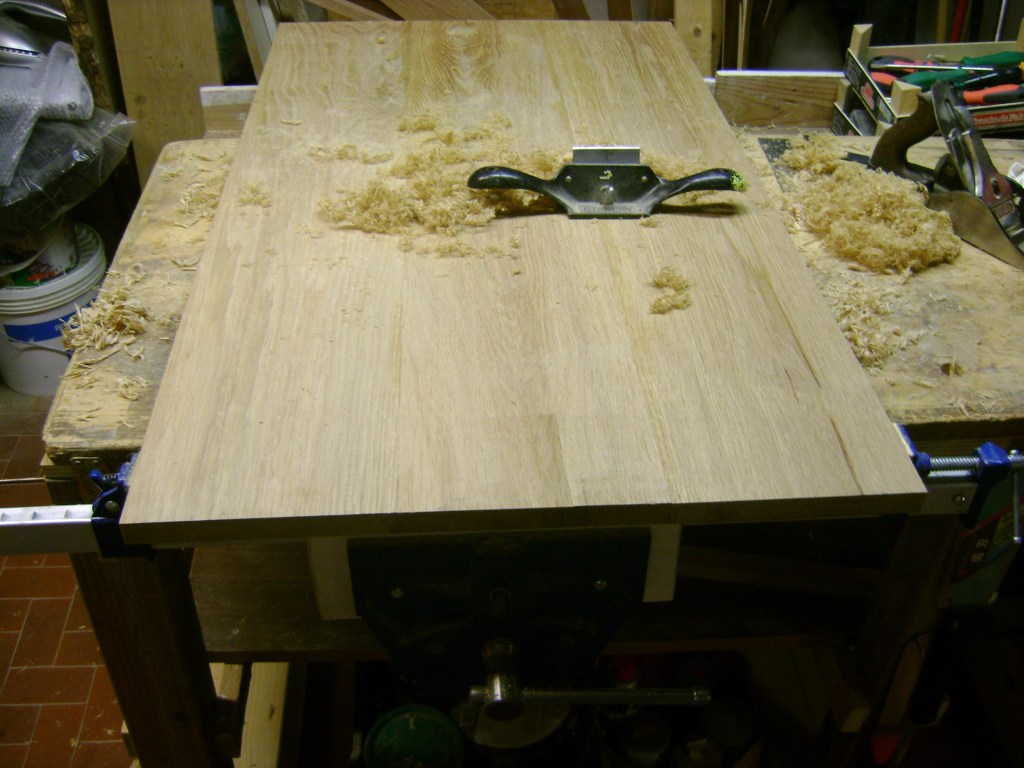
Il legno e la sua lavorazione manuale. Proprietà tecnologiche, fisiche e meccaniche dei legnami. / Wood and woodworking by hand. Technological, physical and mechanical properties of woods.
English translation at the end of the article
Prosegue il viaggio all’interno della materia legno. In questo articolo vorrei trattare sommariamente di alcuni aspetti “strutturali” del legno. Per chi non avesse letto i precedenti articoli, in fondo al post inserisco i link.
Buona lettura.
Una volta acquistato il legname necessario alla realizzazione del manufatto, il falegname si troverà ad affrontare la lavorazione vera e propria. Nel proprio laboratorio il falegname è circondato da svariati utensili con i quali
trasformare rigidi pezzi di legno in mobili e accessori di svariate forme e colori. Da adesso in poi il falegname, lavorando il legno con gli attrezzi a sua disposizione, incontrerà nuove difficoltà a seconda della lavorazione e del prodotto finale che vorrà realizzare. Dovrà segare, tagliare, fendere, piallare, scartavetrare, verniciare e molto altro ancora. Il grado di difficoltà riscontrabile in tutte queste lavorazioni dipende essenzialmente dalle proprietà tecnologiche, meccaniche e fisiche delle varie tipologie di legname.
In natura non esiste un’essenza uguale all’altra e questo implica un continuo processo di adattamento da parte dell’artigiano che dovrà di volta in volta scegliere il modus operandi più adeguato e che meglio si presta ad assecondarne le diverse caratteristiche intrinseche. Di conseguenza dovrà cambiare tecnica di lavorazione a seconda che si tratti di legni duri o legni dolci, se in presenza di nodi e fibre irregolari, sacche di resina e fessurazioni e tenere in debita considerazione il grado di fendibilità, di taglio, di porosità e quant’altro.
Generalmente un legno con fibre regolari e parallele risulta di più facile lavorazione rispetto ad un legno con fibre contorte e con tanti nodi. In quest’ultimo caso risulta fondamentale la perfetta preparazione degli utensili, siano essi seghe, pialle, rasiere, scalpelli o quant’altro che dovranno essere affilati alla perfezione. Nella pratica la loro affilatura su pietra o con altri sistemi è di basilare importanza per la riuscita di qualsiasi operazione di taglio. Un utensile non affilato provoca solo danni, perdite di tempo e spreco di energie oltre a generare frustrazione in chi lavora. Di questo e di molto altro l’artigiano dovrà tener conto nella lavorazione del legno.
Nel legno possiamo rintracciare le seguenti proprietà, così come elencate da Pieresca G. nel suo libro “Il legno e l’arte di costruire mobili e serramenti”(1983).
Proprietà tecnologiche: possono riassumersi nella fendibilità, attitudine al taglio, flessibilità, grado di pulimento e plasticità.
Proprietà fisiologiche: riguardano la porosità, densità e peso specifico, igroscopia, omogeneità, ritiro e dilatazione, aspetto, colore e odore.
Proprietà meccaniche: riguardano la trazione, la compressione, la flessione, il taglio e la torsione.
Proprietà elettriche.
In questo post faró una breve descrizione di queste proprietà cercando di far capire come queste influiscano sulla lavorazione manuale.
A) Fendibilità
Trattasi della maggiore o minore attitudine del legno a spaccarsi nel senso delle fibre. I legni con fibra lunga, regolare e senza nodi o fessurazioni, avranno un grado di fendibilità maggiore. La sezionatura avverrà in modo pulito e senza strappi. Si è soliti misurare la fendibilità con l’ausilio di un cuneo di legno di modo che, attraverso il solo effetto della pressione esercitata, non sia in grado di tagliare le fibre ma soltanto di scinderle. Il grado di fendibilità varierà a seconda dell’essenza che si sta lavorando. Per esempio sarà minore in legni nervosi come il Ciliegio, maggiore nel legno di Abete di prima qualità. Conoscere il grado con cui il legno si spacca è di particolare utilità per il falegname. Dovendo sezionare parti di tavolame questo gli permetterà di scegliere se e come dividere il legno, permettendogli di limitare le possibilità di errore.
B) Attitudine al taglio
L’attitudine al taglio misura il grado di taglio del legno, quindi la sua maggiore o minore facilità ad essere reciso con i normali strumenti da taglio in possesso del falegname. A differenza della fendibilità, che afferisce alla scissione delle fibre e viene misurata con il cuneo di legno, l’attitudine al taglio viene misurata con seghe, scalpelli, sgorbie e pialle che recidono le fibre, spezzandole. Il taglio può avvenire lungo vena, traverso vena o di testa. Il taglio lungo vena risulta di gran lunga il più agevole perché segue l’andamento delle venature. Il taglio traverso vena è più difficoltoso del taglio lungo vena dovendo agire trasversalmente alle fibre. Il taglio di testa, infine, risulta il più ostico in assoluto in quanto si lavora su fasci di fibre. In quest’ultimo caso, se non opportunamente sostenuto in uscita da un pezzo di legno martire, lo strappo delle fibre è molto probabile, anche utilizzando lame affilate alla perfezione. Per il taglio lungo vena si possono utilizzare sia seghe occidentali che seghe orientali. La differenza è rinvenibile nello spessore della lama, nella stradatura dei denti e per il movimento di taglio: a spingere per le occidentali a tirare per le orientali. Le seghe comunemente usate per il taglio lungo vena sono denominate “ripsaw” e si caratterizzano per la stradatura dei denti allineata. Per i tagli traverso vena vale la stessa distinzione fatta sopra, le seghe utilizzate sono denominate “crosscut saw” e presentano una stradatura dei denti alternata. Anche per gli scalpelli e le lame delle pialle è necessario variare il grado di affilatura a seconda che si lavori il legno nel senso delle fibre, traverso fibra o di testa. In quest’ultimo caso ad esempio, se stiamo piallando, non si produrranno trucioli ma solo segatura. La pratica dimostra che i legni teneri sono più facili da tagliare dei legni duri.
C) Flessibilità
Tutte le tipologie di legno presentano, in misura variabile, un certo grado di flessibilità dovuto alla qualità delle fibre.
La flessibilità del legno è quindi la capacità dello stesso di mantenere una determinata forma dopo l’applicazione di una forza mediante l’utilizzo di uno dei vari metodi di curvatura. Entro certi limiti il legno può essere temporaneamente piegato senza particolari problemi e questo grazie alla sua elasticità. Tuttavia, senza l’ausilio di tecniche specifiche, gradualmente tenderà a riassumere la sua forma originaria. L’ausilio di forme e controforme entro le quali piegare il pezzo è quasi sempre obbligatorio. Solitamente il legno, per essere piegato, deve possedere un grado di umidità inferiore al 30%. In questi casi si può applicare la piegatura con apporto di calore attraverso il sistema del tubo di ferro riscaldato, del phon o con il classico forno a microonde. La piegatura può avvenire con un certo grado di facilità anche quando il legno è particolarmente fresco, ma presenta la controindicazione di un’alta percentuale di ritorno alla forma originale. Altre tecniche di piegatura sono la laminazione a freddo e la tecnica della scanalatura del lato concavo. La piegatura a vapore rimane comunque di gran lunga la tecnica più efficace e quindi maggiormente utilizzata. L’operazione di piegatura, qualunque sia il sistema utilizzato, andrebbe condotta con estrema cautela in quanto esiste sempre il pericolo che le fibre del legno, sottoposte a compressione e dilatazione, possano spezzarsi. Esistono legni che si flettono più facilmente di altri e questa loro caratteristica li rende più adatti ad essere utilizzati come materie prime per determinate realizzazioni, come ad esempio sedie, archi ed imbarcazioni, ovvero manufatti che debbano sopportare particolari forze di compressione. Il Faggio, ad esempio, è caratterizzato dalla fibra molto corta e lo rende particolarmente apprezzato per la realizzazione di utensili da cucina, manici ed impugnature di utensili, per sistemi di giunzione, taglieri e piani di lavoro, cioè per tutti gli usi dove è richiesta resistenza agli urti e una buona dose di elasticità. La conoscenza del grado di flessibilità è di fondamentale importanza per l’artigiano particolarmente quando questi debba realizzare manufatti dalle forme estremamente morbide e sinuose.
D) Grado di pulimento
Il grado di pulimento indica quanto il legno possa essere levigato allo scopo di esaltarne i toni e le caratteristiche delle venature ed al fine di ottenere al tatto una gradevole sensazione di setosità. In effetti, riuscire a mettere in risalto il colore ed i giochi delle venature del legno si traduce in una maggiore bellezza complessiva del manufatto finale. Questa proprietà è strettamente correlata con la fase di finitura nella quale il falegname utilizzerà utensili come le rasiere, lime, cartavetrata e lana d’acciaio allo scopo di eliminare le imperfezioni lasciate dalla piallatura manuale e da una segagione approssimativa. Successivamente applicherà turapori, mordente, cera, gommalacca, olio di lino, smalto e quant’altro al fine di rifinire il manufatto e farne risaltare morbidezza e lucentezza.
Un manufatto pulito è in definitiva un manufatto lucidato a dovere, morbido al tatto, quasi vellutato.
I legni duri e semiduri ed in genere le essenze tropicali offrono un grado di pulimento maggiore, ma anche i legni dolci possono offrire talora risultati soddisfacenti in termini di lucidatura, presentando però lo svantaggio di una certa difficoltà nella fase della stesura della finitura dovuta all’alto potere assorbente dato proprio dalla loro tenerezza e porosità.
E) Plasticità
La plasticità del legno è relativamente bassa e si misura, così come per la flessibilità, attraverso l’utilizzo dello stampo e del controstampo inducendo la compressione delle fibre.
Tali stampi devono possedere forme addolcite così da evitare la troncatura delle fibre.
La proprietà della plasticità è molto importante in ambito industriale, ad esempio per le lavorazioni di stampaggio del legno, ma praticamente irrilevante per i lavori di falegnameria generale.
F) Porosità
La porosità del legno dipende dal numero di vasi presenti nel legno stesso. Maggiore è il numero dei vasi e maggiore risulterà il grado di porosità. Sono preferibili legni con una porosità non troppo elevata che non permetterebbe una finitura ed una lucidatura adeguata. Le sostanze liquide sarebbero infatti continuamente assorbite dai vasi del legno provocando rigonfiamenti, dilatazioni e ritiri determinando la compromissione della qualità finale del manufatto. I legni teneri e con minor presenza di resina sono generalmente più porosi dei legni duri e con maggior presenza di resina. Nella pratica della verniciatura il legno di testa si imbeve maggiormente rispetto al legno del piano longitudinale. La conoscenza del grado di porosità, così come il saper prevedere il comportamento del legno quando trattato con sostanze liquide, è di basilare importanza per il falegname.
G) Densità e peso specifico
La densità del legno è data dal grado di compattezza delle fibre e dalla grandezza dei vasi. Un legno che presenta vasi piccoli e fibre molto compatte presenterà anche un elevato grado di densità. La densità è molto simile alla porosità del legno e molto spesso vengono trattate allo stesso modo. In effetti per il lavoro del falegname la distinzione fatta a livello teorico poco influisce all’atto pratico sul processo di lavorazione, implicando nel concreto le stesse difficoltà evidenziate trattando della porosità del legno. È appena il caso di sottolineare, per quanto di interesse ai fini pratici, che il grado di densità, oltre a variare a seconda della tipologia di legno, può differire anche all’interno della stessa pianta ed addirittura dello stesso pezzo di legno. Questo dipenderà dalla posizione che il legno aveva nel tronco al momento del taglio, se nel durame, nell’alburno, all’apice della pianta, ecc.
Il peso specifico è dato dal rapporto tra un dato volume di materia ed un uguale volume di acqua distillata a 14,5 C°. Come è facile intuire il peso specifico del legno può divergere significativamente a seconda del momento in cui viene fatta la rilevazione. In legni freschi e appena tagliati, dove la presenza di acqua è maggiore, si avrà un peso specifico molto superiore a quello che si può rilevare in un legno stagionato ed essiccato. Al di là dell’interesse per il valore intrinseco del peso specifico quello che qui è utile notare è che il legno assorbe e rilascia umidità in continuazione comportandosi all’atto pratico come una spugna. Questa continua relazione tra legno, acqua ed aria verrà approfondita nei post a seguire. A titolo di informazione, solo per citare alcune essenze conosciute, legni come Gelso, Leccio e Rovere presentano pesi specifici elevati in confronto all’Abete, al Larice ed al Tiglio (rilevati in media ed in condizioni di umido e di secco).
H) Igroscopia
L’igroscopia è una proprietà fisiologica direttamente correlata alla densità ed al peso specifico. Con tale nome si è soliti indicare il potere che il legno possiede di assorbire ed espellere umidità. Come detto il legno si interfaccia continuamente con l’ambiente in cui si trova ed attraverso l’aria assorbe e rilascia umidità. Questo continuo interscambio con l’esterno genera movimenti nel legno, anche di grossa entità, creando instabilità e rotture finanche nel manufatto ultimato e messo a dimora. L’artigiano dovrebbe scegliere accuratamente il legno da lavorare e, una volta scartato quel legno che non offre determinate garanzie di stabilità, procedere con cautela nella sua lavorazione, specialmente nella fase degli incastri, che non dovrebbero essere mai troppo serrati ma prevedere sempre un po’di spazio per gli immancabili movimenti stagionali. Anche nel prendere le misure il falegname dovrebbe sempre tener di conto dei movimenti del legno dovuti all’umidità e regolarsi quindi di conseguenza. Nello stesso laboratorio il falegname dovrebbe creare le condizioni per una buona aerazione ed un grado di umidità accettabile. Il legno rimane vivo anche dopo che il mobile è stato ultimato e quindi la scelta del legno da lavorare deve necessariamente essere fatta anche in ragione della destinazione ultima dello stesso.
I) Omogeneità
Per omogeneità del legno si intende il grado di uniformità delle fibre e degli anelli e deriva dalla densità della sua struttura dipendendo in buona sostanza dal ritmo di crescita della pianta. Osservando un tronco, la quasi impossibilità di distinguere gli anelli di crescita primaverili da quelli autunnali rivela la presenza di un alto grado di omogeneità. Per contro in un legno particolarmente eterogeneo gli anelli saranno ben distinguibili e saranno quindi individuabili le zone più tenere e chiare alternate ad altre più dure e di colore più scuro.
Un legno che presenta un alto grado di omogeneità si presterà meglio alla lavorazione di levigatura e finitura, ed è quindi preferibile ad un legno che presenta una spiccata eterogeneità. In un legno eterogeneo le zone tenere si restringono più delle zone dure, creando avvallamenti ed ondulazioni, non visibili ad occhio nudo ma percepibili al tatto.
L) Ritiro e dilatazione
La proprietà di ritirarsi e dilatarsi dà origine a movimenti della massa legnosa che il falegname deve tenere in debita considerazione quando procede alla lavorazione manuale. Per gestire tale criticità occorre procedere con oculatezza fin dalla scelta del legname e tenere in giusto conto l’umidità dell’ambiente, la temperatura, l’esposizione ai raggi solari ecc. Come detto, l’ambiente esterno influisce continuamente sul legno generandone perenni aggiustamenti dovuti in prevalenza all’assorbimento ed all’espulsione dell’umidità. Il fenomeno dei movimenti del legno è di fondamentale importanza per il lavoratore del legno ed è per questo che l’argomento verrà trattato ed approfondito successivamente inserendolo in un post dedicato.
M) Proprietà meccaniche
Queste proprietà vengono trattate assieme in quanto interessano relativamente poco il lavoro del falegname. In effetti queste riguardano la resistenza del legno a sforzi come la trazione, la compressione, la flessione, il taglio e la torsione, qualità che, se il manufatto è realizzato a regola d’arte rispettando i canoni di costruzione come tenone e mortasa, coda di rondine e giunzioni varie, non dovrebbero influire sull’armonicità e tenuta dell’opera ultimata. Al contrario tali proprietà interessano notevolmente quei settori dove il legno deve essere sottoposto a sforzi considerevoli come ad esempio nel settore edile, quello ferroviario, ecc. In generale può dirsi che la resistenza del legno dipende dal tipo di essenza, se forte o dolce, dalla compattezza e lunghezza delle fibre, dalla zona del tronco dove è stato estratto, ecc. I legni duri ovviamente sono più resistenti dei legni dolci.
Nello specifico solo la flessione ed il taglio possono interessare, anche se marginalmente, il lavoro del falegname. La flessione va tenuta in considerazione per calcolare i problemi di tenuta di un piano di una certa lunghezza come ad esempio i ripiani degli scaffali o degli armadi o di una mensola. La proprietà di taglio è da valutare per calcolare lo sforzo necessario durante la lavorazione manuale che è variabile a seconda che si abbia a che fare con essenze dure come il Carpino o tenere come l’Abete.
N) Proprietà conduttive
Il legno, stante la presenza in percentuale variabile di umidità, è in generale un pessimo conduttore di elettricità. Proprio per questa sua qualità viene spesso utilizzato come isolante in determinate lavorazioni. Quest’ultima viene gradualmente meno se il legno è trattato con vernici o se l’umidità presente si riduce drasticamente. Allo stesso tempo risulta un pessimo conduttore di calore e quindi un ottimo materiale isolante sia dal freddo che dal caldo. Talune moderne costruzioni edificate secondo i parametri di risparmio energetico prevedono cappotti di legno proprio con lo scopo di isolare l’abitazione dalle escursioni termiche. Il legno, come più volte ribadito parlando della sua struttura, possiede sempre una certa quantità di umidità. È quindi per sua natura un materiale particolarmente sensibile all’acqua ed all’umidità ed anche se trattato con idonei procedimenti chimici non ne è mai possibile l’impermeabilizzazione in maniera definitiva. Il legno è infine un pessimo conduttore sonoro ma il discorso cambia ovviamente quando esso viene impiegato per la costruzione di casse armoniche e di strumenti musicali in genere. In definitiva possiamo dire che le proprietà conduttive poco hanno a che fare con la falegnameria generale interessando principalmente altri settori (come quello edile) dove il legno viene impiegato come materiale da costruzione.
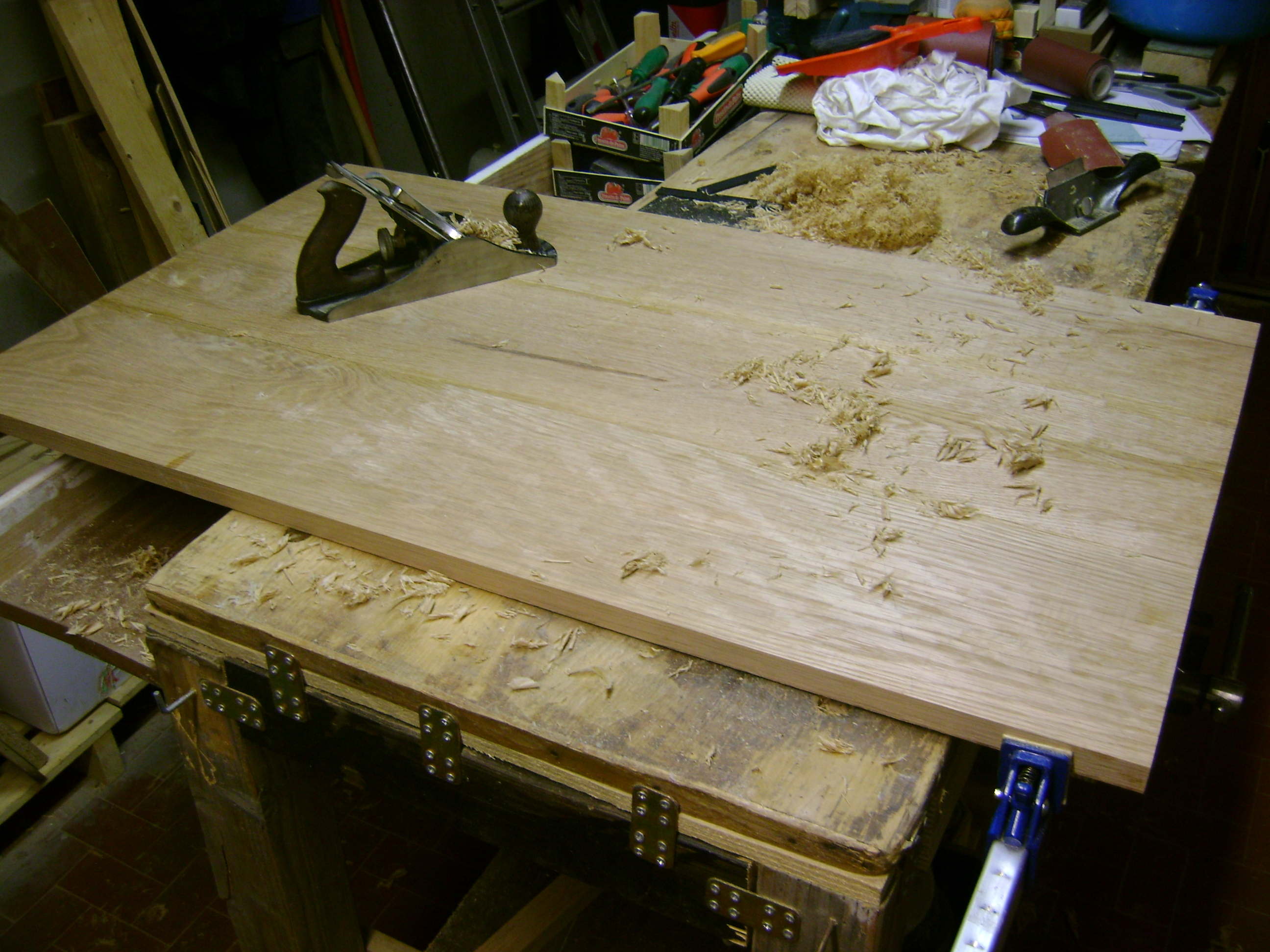
In questo articolo abbiamo passato in rassegna le principali proprietà del legno e le implicazioni che queste possono avere durante la sua lavorazione manuale. In misura variabile quasi tutte le caratteristiche sopraelencate entrano in gioco durante il lavoro di un falegname e la loro conoscenza aiuta l’artigiano a scegliere il legno più adatto all’opera che intende realizzare. Conoscere la flessibilità è utile per determinate lavorazioni come ad esempio la realizzazione di strumenti musicali. L’attitudine al taglio è importante in fase di scelta dell’attrezzatura più consona alla lavorazione del legno. Caratteristiche come l’ igroscopia, densità e peso specifico sono indispensabili per saper prevedere i ritiri e le espansioni del legno. E’ buona regola, una volta acquistato il legname, farlo riposare qualche giorno nel laboratorio per farlo acclimatare e assestare con l’umidità presente nell’ambiente. In seguito, anche a lavorazione in corso, sarebbe buona norma dopo qualsiasi taglio non utilizzarlo subito ma lasciar distendere le fibre recise così da poterlo impiegare negli incastri nella sua misura ottimale. Da quanto sin qui detto si deduce che il legno, per effetto dell’umidità, varia non solo relativamente al suo peso ma anche riguardo alle sue dimensioni. Sarebbe un grave errore sottovalutare questo fenomeno così importante quanto inevitabile. Non di rado, specialmente nei vecchi mobili, è possibile notare incastri che si sono aperti o cassetti che non chiudono più bene o zampe di un tavolo di diversa lunghezza o piani imbarcati.
In un prossimo capitolo parleremo in modo specifico dei movimenti del legno, una problematica a mio parere che necessita di particolare approfondimento. Abbiamo analizzato le patologie, le malformazioni della pianta e le sue proprietà, adesso tratteremo dell’abbattimento, stagionatura, essiccazione e conservazione del legno.
———————————————————————————————————————————-
The journey inside the wood is going on. In this article I will briefly deal with some “structural” aspects of the wood. For those who have not read the previous articles, I put the links at the end of this post.
Enjoy the reading.
Once purchased the wood the woodworker will deal with the real work. In the workshop the woodworker surrounded by a variety of tools will create from pieces of wood nice furniture and accessories of various shapes and colors. From now on, the woodworker, working the wood with the hand tools, will meet new difficulties, depending on the process and the final product that wants to achieve. He will be engaged in sawing, cutting, slitting, planing, sanding, varnishing and much more. The degree of difficult found in all these processes essentially depends on the technological, mechanical and physical properties of the various types of wood.
In nature there is no essence equal to another and this means a continuous process of adaptation by the woodworker who will have, from time to time, to choose the modus operandi more appropriate and that better lends itself to meeting its various intrinsic features. As a result will have to change processing technique depending on whether it’s hard or soft woods, if in presence of knots and irregular fiber, resin pockets and cracks and take into account the degree of fendibility, cutting, porosity and so on.
Generally, a wood with regular and parallel fibers is easier to work compared to a wood with twisted fibers and with many knots. In this last case it is essential to have hand tools in perfect working order, whether they are saws, planes, scrapers, chisels and so on and they must be sharpened to perfection. In practice, their sharpening with stones or other systems is essential for the success of any cutting operation. A dull tool only causes damage, loss of time and waste of energy generating frustration in those who work. This, and much more, the woodworker will have to take into account in working with wood.
In wood we can find the following properties, so as listed by G. Pieresca in his book “The wood and the art of building furniture and doors” (1983).
Technological properties: can be summarized in fendibility, cutting, flexibility, polishing degree and plasticity.
Physiological properties: concern the porosity, density and specific gravity, hygroscopic, homogeneity, shrinkage and expansion, appearance, color and smell.
Mechanical properties: concern traction, compression, bending, cutting and twisting.
Electric properties.
In this post there is a brief description of these properties trying to understand how these affect the hand woodworking.
A) Fendibility
This refers to the greater or lesser capacity of the wood to crack in the direction of the fibers. The wood fiber with long, regular and without knots or cracks, will have a greater degree of fendibility. The sizing will be clean and without tear out. Usually we measure the fendibility with the aid of a wooden wedge so that, through the sole effect of the pressure exerted, is not able to cut the fibers but only divide them. The degree of fendibility will vary depending of the wood that you are working. For example it will be less in nervous woods such as cherry, more in first quality fir. Knowing the point to which the wood split is interesting for the woodworker. Having to section parts of the wood will allow to choose whether and how to split the wood, avoiding errors.
B) Attitude to the cut
The attitude to cut measures the degree of cutting wood, hence its more difficult or easier to be cut with conventional cutting tools owned by the woodworker. Unlike fendibility which is related to the splitting of the fibers and is measured with the wooden wedge, the attitude to the cutting is measured with saws, chisels, gouges and planes that sever the fibers, breaking them. The cut can be along the grain, cross grain or end grain. The cut along the grain is by far the easiest because it follows the grain. The crosscutting is more difficult because it cuts along the grain having to act pependicular to the fibers. The end grain cutting, finally, is the most difficult as it works on the head fiber. In this latter case, if not properly supported in output with a sacrificial piece of wood, the tearing of the fibers is very common, even using perfect sharpened blades. For cutting along the grain you can use both western or eastern saws. The difference is in the thickness of the blade, in the saw set of the teeth and in the cutting movement: a push stroke movement for western saws and a pull stroke movement for eastern saws. The saws commonly used for cutting along the grain are called ripsaw and they are characterized by a minimal saw set and teeth aligned. For cross cutting it applies the same distinction made above, but them saws used are called crosscut saw and have an accentuated saw set. Even for chiselmand planes blade is necessary to vary the sharpening degree depending on whether we work the wood long grain, cross grain or end grain. For example, in this last case, a plane will produce no shavings but only dust. Practice shows that softwoods are easier to cut than hardwoods.
C) Flexibility
All types of wood presents a certain degree of flexibility due to the quality of the fibers. The flexibility of the wood is the ability of the same wood to maintain a certain shape after the application of a force applied with one of the various methods of curvature. Within certain limits, the wood can temporarily be curved without any problems and this is due to its elasticity. However, without the using of specific techniques, gradually the wood tends to resume its original shape. THe aid of forms and controforme within which bending the piece is almost always required. Usually the wood to be bent, must have a degree of moisture less than 30%. In these cases you can apply the bending with the supply of heat through the heated iron tube system, of the dryer or with the classic microwave oven. The bending is easy to obtain even when the wood is particularly fresh, but presents the inconvenient of a high percentage of return to its original shape. Other bending techniques are the cold rolling and the technique of the concave side of the groove. The steam bending remains by far the most efficient and most utilized. The bending operation, whatever the system used, should be carried out with extreme caution as there is always the danger that the wood fibers, subjected to compression and expansion, can break off. There are woods that will flex more easily than others, and this characteristic makes them more suitable to be used as raw materials for certain furniture, such as chairs, arches and craft materials, or artifacts that should withstand specific compressive forces. The beech, for example, is characterized by very short fibers and makes it particularly appreciated for the realization of kitchen tools, handles and handles of tools, for joining systems, cutting boards and worktops and for all uses where is request impact resistance and a good elasticity. Knowledge of the degree of flexibility is important for the woodworker particularly when he has to realize furniture with extremely soft and sinuous shapes.
D) Degree of polishing
The degree of polishing indicates how the wood can be sanded in order to enhance the tones and the characteristics of the grains and in order to get to the touch a pleasant feeling of silkness. In fact, being able to highlight the color of the wood grain translates into a greater overall beauty of the final product. This property is closely correlated with the finishing phase in which the woodworker will use tools such as scrapers, files, sandpaper and steel wool in order to eliminate the imperfections left by the hand planing and rough sawing. Subsequently will apply sanding sealer, stain, wax, shellac, linseed oil, varnish and so on in order to refine the artifact and bring out softness and shine. A clean and smooth handwork is ultimately a properly polished artefact, soft to the touch, almost velvet. Hard and semi-hard wood and typically tropical essences offer a higher degree of polish, but also softwoods can sometimes give satisfactory results in terms of polishing, but presenting the disadvantage of a certain difficulty in the preparation phase of the finish due to high absorbency given by their tenderness and porosity.
E) Plasticity
The plasticity of the wood is relatively low and is measured, as for flexibility, through the use of the mold and the countermold inducing the compression of the fibers. These molds must possess softened forms so to avoid the break of the fibers. The property of the plasticity is very important in industrial applications, for example for molding processing of the wood, but irrelevant for general woodworking.
F) Porosity
The porosity of the wood depends on the number of vessels in the wood itself. More is the number of vessels and more is the degree of porosity. Wood is preferred with a porosity not too high that would not allow a good finish and an adequate polishing. The liquid substances would in fact continuously be absorbed by the wood vessels causing swelling, expansion and shrinkage so resulting in a bad quality of the final handwork. The softwoods, with less presence of resin, are generally more porous than hardwoods that are with a greater presence of resin. In varnishing the head of the wood absorbe more respect to the longitudinal plane of wood. The knowledge of the degree of porosity, and how the wood change when treated with liquid substances, is very important for the woodworker.
G) Density and specific weight
The density of the wood is given by the degree of compactness of the fibers and the size of the vessels. A wood that presents small vessels and very compact fibers also presents a high degree of density. The density is very similar to the porosity of the wood and very often they are treated in the same way. Indeed, for the woodworker this little difference is not important and has no affects in his practical work, implying the same difficulty in the concrete highlighted by treating the porosity of the wood. It’s necessary to point out, as much of interest for all practical purposes, that the degree of density, may vary depending on the type of wood, differ inside the same tree and even in the same piece of wood. This will depend to the position that the wood had in the tree when cut, in the heartwood, in the sapwood, at the top of the tree, etc.
The specific weight is given by the ratio between a given volume of material and an equal volume of distilled water at 14.5 C°. It’s easy to see that the specific weight of the wood can diverge significantly depending on the time in which the detection is made. In fresh and freshly cut woods, where the presence of water is greater, we will have a much higher specific weight than we can detect in a weathered and dried wood. The important thing to keep in mind is that wood absorbs and releases moisture at any time and act in practice like a sponge. We’ll see in a future post this continuous relationship between wood, water and air. For the information, and to name just a few species, woods such as mulberry, holm, and oak have high specific weight compared to spruce, larch and the lime tree (seen in the media and in wet and dry conditions).
H) hygroscopic
The hygroscopic is a physiological property directly related to the density and specific weight. With such a name is used to indicate the power that the wood has to absorb and release moisture. As said, the continous exchange with the wood environment in which it is located and through the air, it absorbs and releases moisture. This constant interchange with the’External generates movements in the wood, also of large entitiestoCreating instabilityto and breakages even in the completed article and planted. THE’craftsman should carefully choose the wood to work with and, once discarded that wood does not offer certain guarantees stabilityto, Proceed with caution in its processing, especially in the phase of the joints, which should never be too tight but always predict a bit’of space for the inevitable seasonal movements. Even in taking the measures the carpenter should always take into account the movements of the wood due to’humidityto and then adjust accordingly. In the same laboratory the carpenter should create the conditions for a good aeration and a degree of humidityto acceptable. The wood remains alive even after the cabinetis It has been completed, and then the choice of wood to be machined must necessarily also be made by reason of the ultimate destination of the same.
I) homogeneity
Homogeneity of wood refers to the degree of uniformity of the fibers and of the rings and is derived from the density of its structure depending in good substance from the growth rate of the plant. Observing a trunk, the near impossibility to distinguish the spring growth rings by autumnal ones reveals the presence of a high degree of homogeneity. By contrast, in a particularly heterogeneous wood, rings will be clearly distinguishable and will therefore be more identifiable areas, soft and clear, alternate with other, harder and darker. A wood that presents a high degree of homogeneity is best for sanding and finishing, and is therefore preferable to a wood that has more heterogeneity. In a heterogeneous wood zones shrink more than in hard areas, creating depressions and undulations, not visible to the naked eye but perceptible to the touch.
L) Pick-up and expansion
The property to retire and expand relates to movements of the wood mass that the woodworker must take into account when he is working with hand tools. To handle such critical issue he has to work with caution since the choice of wood and take into consideration the degree of moisture in the place where he is working, the temperature, the exposure to sunlight, etc. As mentioned, the external environment affects continuously the wood causing adjustments due mainly to the absorption and expulsion of the humidity. The wood movements is very important for the woodworker and that’s why I’ll talk about that in a future dedicated post.
M) Mechanical properties
These properties are treaten together because are of lesser importance for the woodworker. In fact, these relate to the resistance of wood to efforts such as traction, compression, bending, cutting and twisting, quality that, if the handwork is well made respecting the rules of joinery as mortise and tenon, dovetail and other joints, should not affect the harmonicity and capacity of the work. On the other hand such properties greatly affect those sectors where the wood must be subjected to considerable efforts such as in the industry constructions, rail, etc. In general we can say that the strength of the wood depends on the type of essence, whether strong or soft, by the compactness and length of the fibers, from the trunk area where the wood was extracted, etc. Hardwoods are obviously more durable than softwoods.
Indeed only the bending and cutting may be of interest, even if only marginal. the woodworker. Bending must be taken into consideration to calculate the capacity problems of a plan of a certain length such as shelves or the shelves of the cabinet or a shelf. The cutting is to be evaluated to calculate the effort required during the handwork, that is variable, depending if we are working with hardwoods as hornbeam or softwood like fir.
N) Conductive properties
The wood, because of the presence in a variable percentage of humidity, is in general, a poor conductor of electricity. Because of this quality it is often used as an insulator in certain processes. This property is less if the wood is treated with paint or if the humidity is drastically reduced. At the same time it is a poor conductor of heat and therefore an excellent insulating material both from the cold and from the heat. Certain modern buildings built according to the energy saving parameters provide wooden coats with the purpose of isolating the buildings from thermal excursions. The wood, as said, has always a certain amount of humidity. Because its nature the wood is a particularly sensitive material to water and humidity and even if treated with suitable chemical processes it can never be waterproofing permanently. The wood is finally a bad sound conductor but the situation is different of course when it is used for the construction of harmonic speakers and musical instruments in general. In conclusion we can say that the conductive properties have little to do with the general woodwork, mainly affecting other sectors (such as construction) where the wood is used as construction material.
In this article we reviewed the main properties of wood and the implications it may have during its handwork. In varying degrees almost all the characteristics listed above come into play during the work of a woodworker and their knowledge helps the woodworker to choose the most suitable wood to work with. Knowing the flexibility is very important for certain processes such as the making of musical instruments. The attitude to the cutting is important when choosing the most suitable hand tool for woodworking. Properties such as hygroscopic, density and specific weight are essential to being able to predict the shrinkage and expansion of the wood. It’s a good rule, once you purchase the timber, to let it rest a few days in the workshop to do acclimatise and settle with humidity present in environment. As a result, even at the current machining process, it would be a good idea not to use immediately the rough sawn wood, but let the wood distend the severed fibers so that it can be employed in the joints in its optimal extent. So it can be deduced that the wood, as a result of humidity varies not only with respect to its weight but also with regard to its size. It would be a serious mistake to underestimate this phenomenon so important and inevitable. Not infrequently, especially in old furniture, you may notice loosen joints, drawers that do not close, legs of a table of different length or curved tables.
In a future post I will talk specifically of wood movement, an issue in my opinion that needs special focus. We analyzed the illnesses, malformations of the plant and its properties. Now we will talk about the cutting of the trees, seasoning, drying and preservation of wood.


 CREAROBI
Lascia un commento