CONSIGLI PER L’ACQUISTO DI UNA PIALLA / SUGGESTIONS ABOUT BUYING A PLANE
English translation at the end of the article
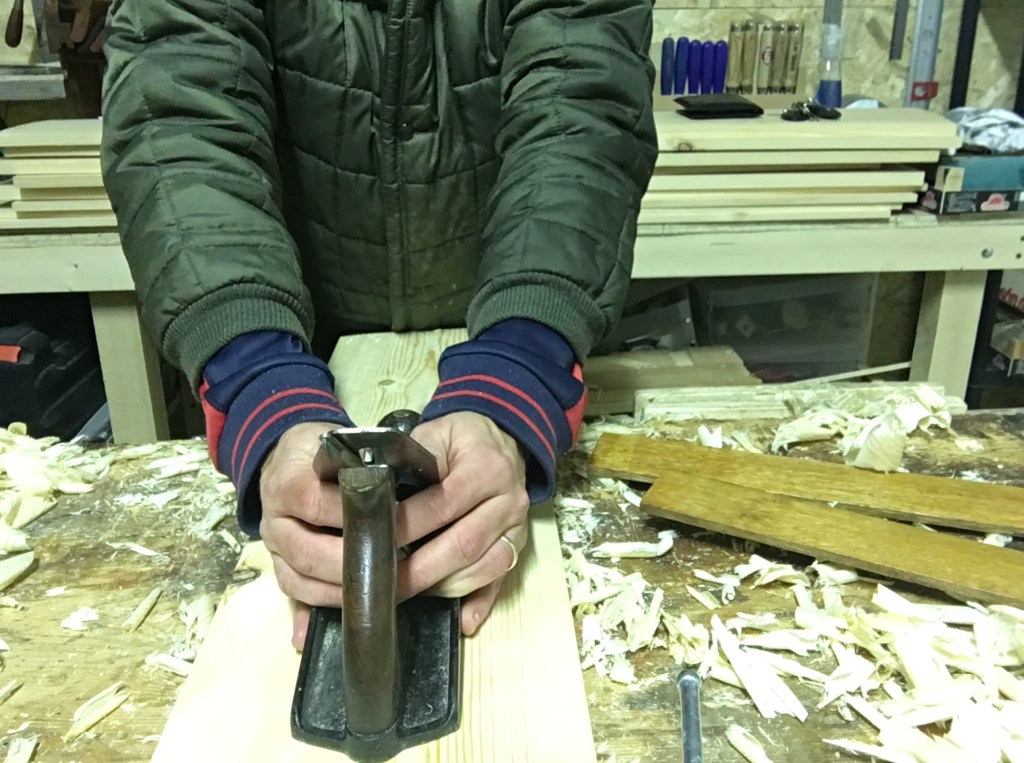
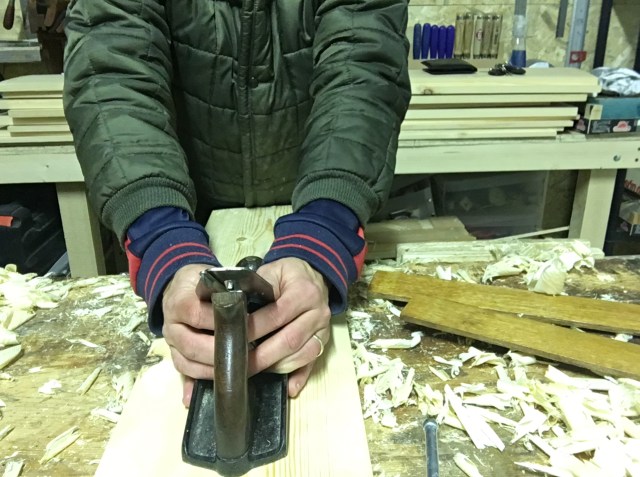
Tra le tante lavorazioni manuali la piallatura è quella che preferisco di gran lunga e dalla quale traggo le maggiori soddisfazioni. Ma non è stato sempre così. Soprattutto all’inizio ho commesso tanti errori molti dei quali dovuti all’imperizia ma soprattutto alla troppa fretta di voler raggiungere il risultato finale. Specialmente con questo tipo di utensile ho
scoperto a mie spese che è fondamentale, prima di qualsiasi altra cosa, entrare in possesso di alcune nozioni di base sulla sua struttura, il suo funzionamento e le dinamiche che ne governano l’ utilizzo. Rimango tutt’ora convinto che per un principiante la pialla non sia un utensile semplice da manovrare. Il suo utilizzo infatti non risulta di immediata comprensione così come può esserlo ad esempio quello di un sega o di uno scalpello. Per questo torno a sottolineare quanto sia consigliabile prendersi un pò di tempo per approfondire le sue caratteristiche basilari così da non rimanere scottati dopo il suo primo utilizzo.
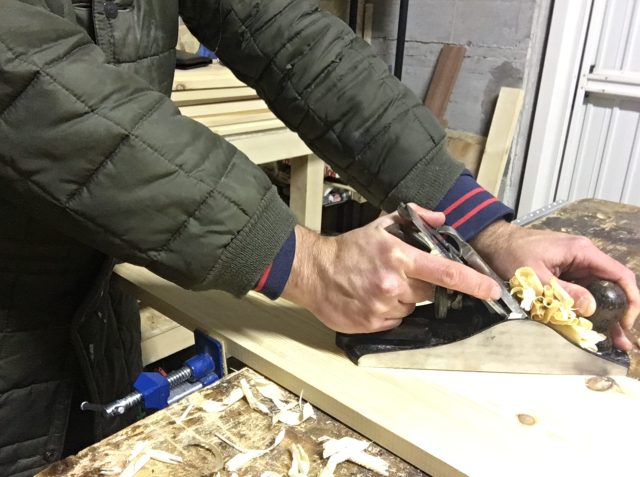
Se la pialla è di scarsa qualità o presenta talune imperfezioni nella sua struttura queste inficeranno gravemente il nostro lavoro. Persino acquistando una pialla del tutto nuova questa necessiterà comunque di taluni accorgimenti che ne permettano l’utilizzo in modo pieno e soddisfacente. Molto spesso si tratta di minimi interventi, come ad esempio la riaffilatura del tagliente.
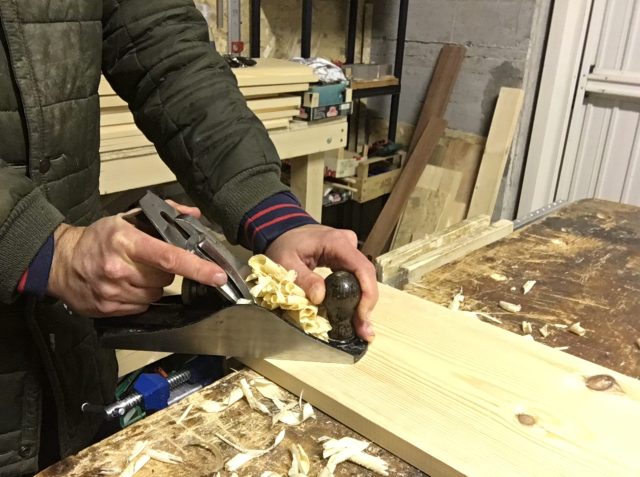
Le pialle usate, le c.d. pialle vintage, necessitano quasi sempre di interventi più o meno incisivi e in generale di maggiori cure, soprattutto quelle appena acquistate. È proprio in questa prima fase che bisogna porre in essere tutta una serie di interventi (che vedremo in un post dedicato) che permettano di farle lavorare a dovere. In questo articolo vorrei quindi sottoporre all’attenzione di chi legge alcune considerazioni, elementi utili che possano fornire spunti di riflessione nella scelta prima e nell’acquisto poi, di una pialla, nuova o usata che sia.
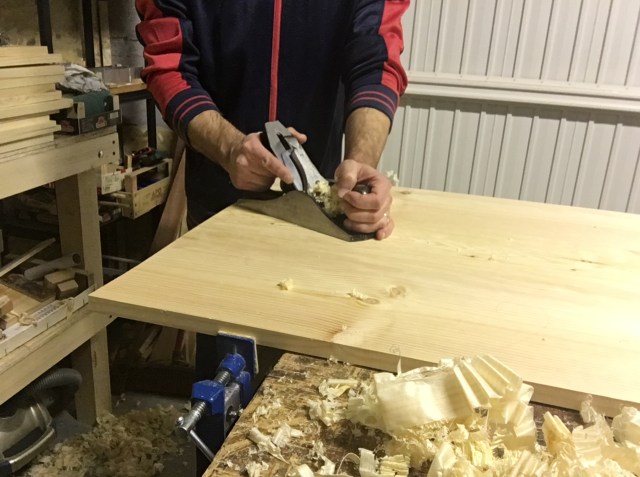
Anzitutto cosa e dove cercare una volta presa la decisione di acquistare una pialla in metallo? Premetto che, come detto in un precedente post, come primo modello opterei per una numero 4 o una numero 5 (ma anche una 4 e 1/2 andrebbe bene). Se decidiamo per una pialla nuova di fabbrica eviterei decisamente quelle da pochi euro proposte nei vari brico e/o vendute on line. Questo perchè il materiale utilizzato e la qualità costruttiva di queste pialle super economiche non sempre risulta soddisfacente e comunque sicuramente non all’altezza del tipo di lavorazione alla quale dobbiamo giustamente ambire. Spesso, affinchè possano lavorare efficacemente, è necessario porre in essere tutta una serie di accorgimenti tali che, alla resa dei conti, non ne risulta conveniente, in ordine di tempo e fatica profusa, il loro acquisto. Inoltre, essendo queste pialle di bassa qualità e molto economiche, non sono destinate a durare nel tempo, e risulta quindi superfluo sottolineare che il loro già scarso valore è destinato praticamente ad azzerarsi. Lo stesso, come vedremo, non accade con le pialle di qualità, soprattutto per quelle vintage.
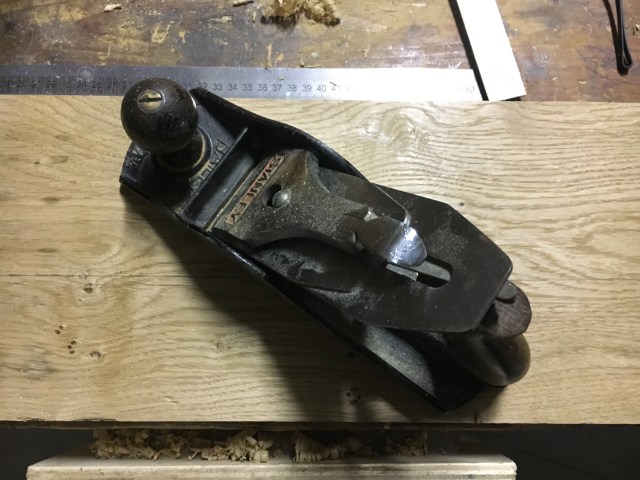
Detto questo, sul mercato esistono molti prodotti di media ed alta qualità che valgono tutti i soldi investiti per il loro acquisto. Per questa tipologia di pialle, non possedendole e non avendo mai avuto il piacere di provarle, posso solo riportare quanto di buono ho potuto leggere sui vari forum italiani e stranieri dedicati alla materia. Indico quindi di seguito le marche più famose e delle quali ho sentito parlare in termini assolutamente lodevoli.
Lie Nielsen
https://www.lie-Nielsen.com/nodes/4063/handplanes
Veritas
http://www.veritastools.com/Products/ProductList.aspx?cat=44
Qiangsheng
http://www.rutlands.co.uk/sp+woodworking-hand-tools-hand-planes-smoothing-planes-qiangsheng-luban-no-4-smoothing-plane-bedrock-pattern-rutlands+dk1180
Altri siti commerciali dove si possono trovare le pialle di cui sopra sono:
http://www.rma-tools.it;
http://www.axminster.co.uk;
http://www.fine-tools.com;
http://www.dictum.com.
I prezzi del nuovo sono abbastanza alti ma bisogna considerare che si acquista un utensile assolutamente indispensabile nella lavorazione del legno, di alta qualità, destinato a durare decenni ed a mantenere alto nel tempo sia il suo valore economico che il suo grado di rivendibilità.

Personalmente prediligo l’acquisto di pialle usate (le c.d. pialle vintage). I motivi sono molteplici e cercherò di esprimerli sommariamente.
Le pialle usate costano meno di quelle nuove e, secondo chi scrive, sono anche di migliore qualità, specialmente se scegliamo tra i marchi più blasonati come ad esempio Stanley, Record, I Sorby e Woden. Storicamente sono da prediligere le pialle made in UK o made in USA, nazioni che vantano una storia pluricentenaria nella produzione di utensili manuali per falegnameria.
Queste pialle necessitano quasi sempre di sostanziosi interventi di restauro, operazione che per molti potrebbe sembrare ardua ma che, secondo il sottoscritto, difficoltosa non è e può solo che arrecare benefici. Infatti il dover restaurare una pialla porta l’utilizzatore ad entrare in stretto contatto con essa, dovendola smontare pezzo dopo pezzo, provvedere alla sua pulizia, al suo restauro ed al successivo riassemblaggio. Così facendo avremo conosciuto com’è fatta una pialla, la sua struttura intrinseca, quali meccanismi la fanno funzionare, e tanto altro ancora. L’ operazione di restauro, inoltre, infonde in noi l’innegabile soddisfazione di essere riusciti a riportare agli antichi splendori un utensile altrimenti destinato all’oblio, l’aver ricondotto alla piena operatività un oggetto donandogli altre centinaia di anni di vita e permettendone così il passaggio alle generazioni future. Le pialle costruite in UK ed in USA, specialmente quelle prodotte prima della fine della seconda guerra mondiale, sono di fattura ineguagliabile, sia per la qualità dei materiali adoperati che per la tecnica costruttiva utilizzata. Sono arrivate a noi dopo decenni di utilizzo quotidiano e questo ne testimonia la bontà realizzativa. Piccoli capolavori di ingegneria tutt’oggi impiegata nei modelli moderni, in una fattezza rimasta pressochè inalterata.
Inserisco di seguito un elenco di modelli di pialla che, a detta degli esperti del settore ed a mio modestissimo parere, rappresentano il meglio di quanto mai realizzato. Tra i produttori di questi modelli solo Stanley è tutt’ora in attività e, seppur produca ancora buoni utensili, non raggiunge più gli standard qualitativi del passato, soprattutto per ciò che riguarda le pialle.
Stanley;
Record;
I Sorby;
Woden.
I marchi di cui sopra sono acquistabili su http://www.ebay.co.uk o su http://www.ebay.com inserendo nel campo ricerca la dicitura della marca (Stanley, Record..), il numero del modello (4, 4 1/2, 5..) ed il nome plane (pialla, in inglese). Su internet esistono anche altri siti specializzati e dedicati alla vendita di utensili manuali ma spesso il loro prezzo è particolarmente elevato. I marchi Stanley e Record sono i più diffusi, molto più rari gli altri due.
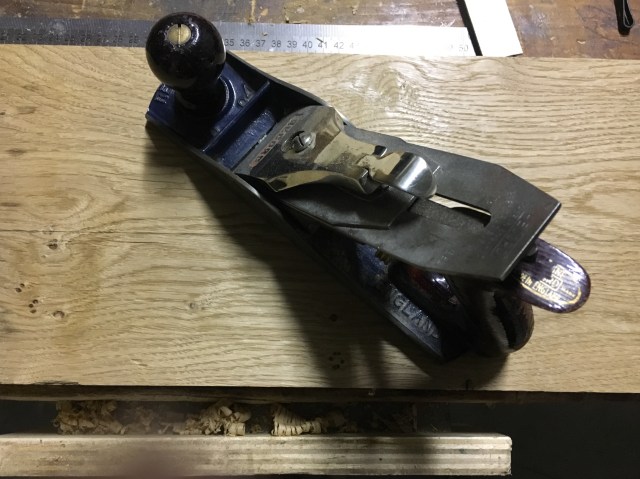
Cosa dobbiamo guardare in una pialla usata prima di procedere al suo acquisto? Rivolgendoci al mercato di Ebay (di gran lunga il sito con il maggior numero di articoli disponibili) purtroppo non avremo la possibilità di vedere di persona l’oggetto nè tantomeno provarlo. Quindi dovremo giocoforza affidarci alle foto inserite nell’annuncio ed alla buona fede e conoscenza tecnica dell’utensile da parte del venditore. È fondamentale in questi casi leggere attentamente la descrizione fornita diffidando di quelle troppo generiche ed osservare bene le foto, meglio se ne sono state inserite più di una, perchè spesso denotano trasparenza e sicurezza della bontà di ciò che viene venduto. Se la descrizione e le foto non sono dettagliate o non ci soddisfano in qualche misura lasciando in sospeso degli interrogativi è buona regola interpellare il venditore ponendogli delle domande.
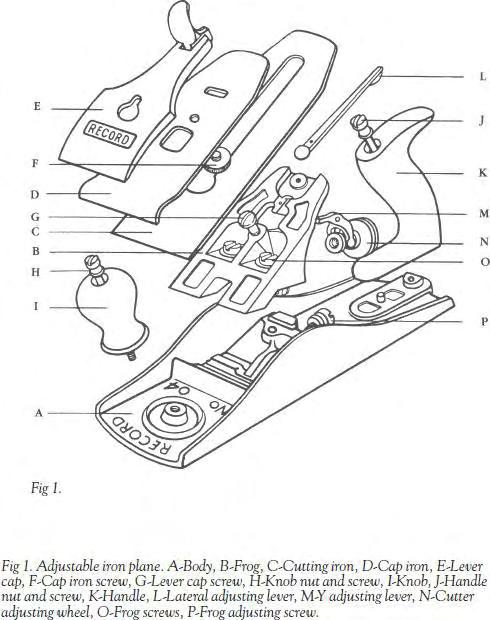
Meglio cercare pialle prodotte antecedentemente alla seconda guerra mondiale, marcate Stanley o Record. Verificare con attenzione se tutte le parti della pialla sono presenti. La mancanza anche di una sola vite può successivamente creare problemi per la difficoltà di reperimento ed onerosità di spedizione rapportata al suo oggettivo valore. In questo caso può aiutare, almeno i primi tempi, avere a portata di mano un esploso della struttura di una pialla così da poterlo confrontare ed attualizzare. Nella figura 1 tratta dal libro The Essential Woodworker di Robert Wearing è raffigurata la struttura di una Record n.4 confrontabile con l’originale nella foto subito sopra (per comodità ho inserito anche una traduzione in italiano). Una volta verificato che la pialla sia completa nelle sue parti possiamo controllare la qualità e la vita residua della lama. Una lama originale e con tanta vita residua (verificabile guardando la lunghezza del ferro) è sicuramente da preferire. Le condizioni dei manici sono importanti, soprattutto la loro solidità e tenuta. Meglio se sono in legno e se non danneggiati o scheggiati. Queste piccole imperfezioni non inficiano solitamente la dinamica della pialla ma la successiva opera di sistemazione, se si decide di effettuarla e seppur non difficoltosa, richiederà comunque del tempo da dedicare. Sovente si rende necessario procedere al loro smontaggio e accorciare la vite che passa all’interno così da garantirne una rinnovata tenuta. Un elemento fondamentale da verificare con accuratezza invece è la condizione della suola e dei fianchi del corpo pialla. Devono essere assolutamente privi di fratture, crepe o spaccature, specialmente vicino alla bocca da dove fuoriesce la lama. In generale, poi, bisogna accertarsi delle buone condizioni del controferro, del lever cap, della vite di profondità (meglio se in ottone) e della leva laterale. Da preferire inoltre le pialle che presentano un frog pieno. In linea di massima, se i pezzi sono tutti presenti, gli eventuali difetti (con l’eccezione dei danni alla suola di cui dicevo prima) possono essere facilmente risolvibili con un pò di pazienza e tempo a disposizione. L’affilatura del tagliente e del controferro è sempre da mettere in conto, così come la spianatura della suola e dei fianchi del corpo pialla. La mancanza di vernice (japanning) dal corpo pialla, i manici da riprendere e la presenza di tanta ruggine sono la normalità in questo tipo di pialle e secondo me ne denotano addirittura la buona qualità, perchè dimostrano che sono state utilizzate a pieno regime per molto tempo (ruggine compresa).
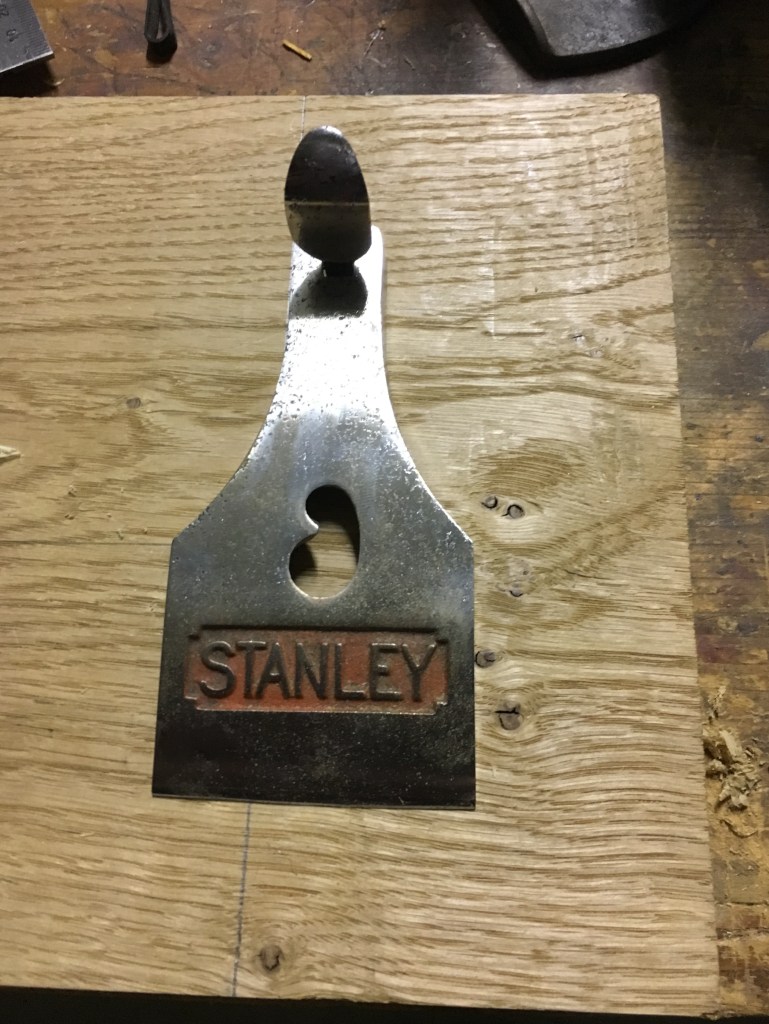
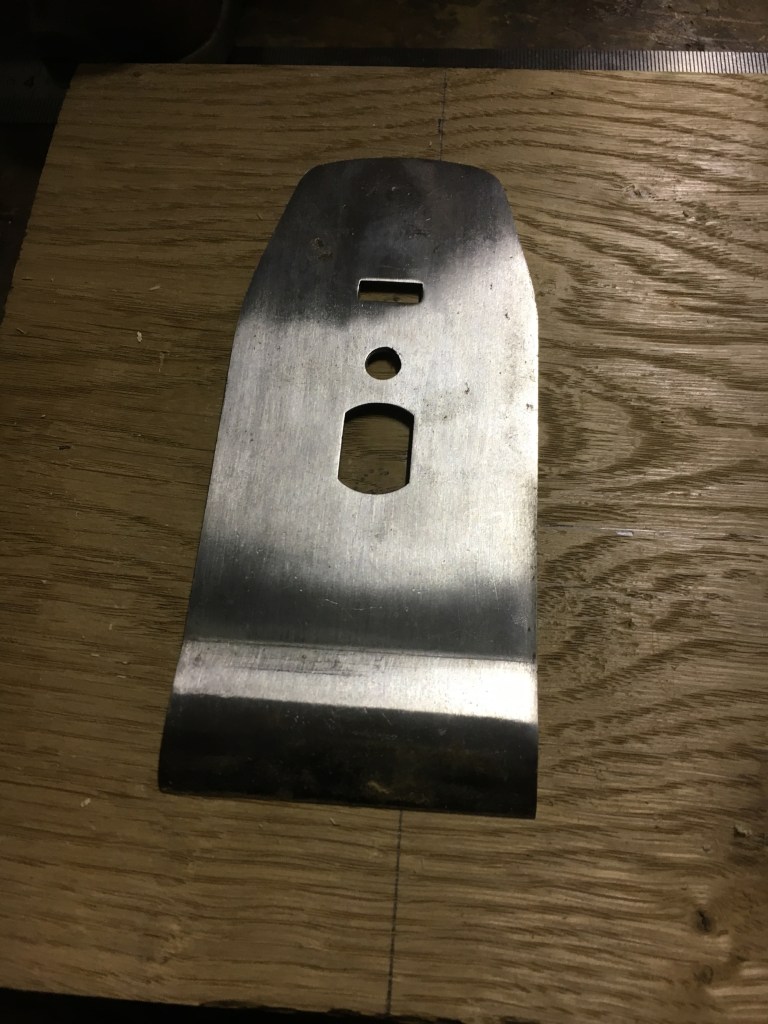
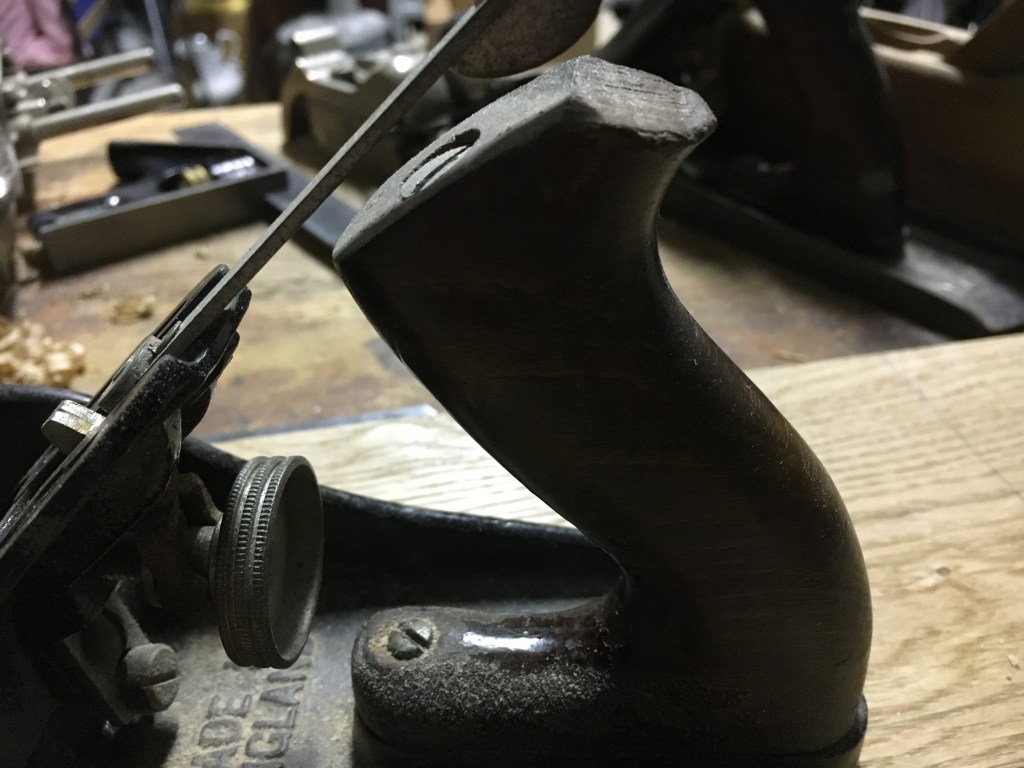
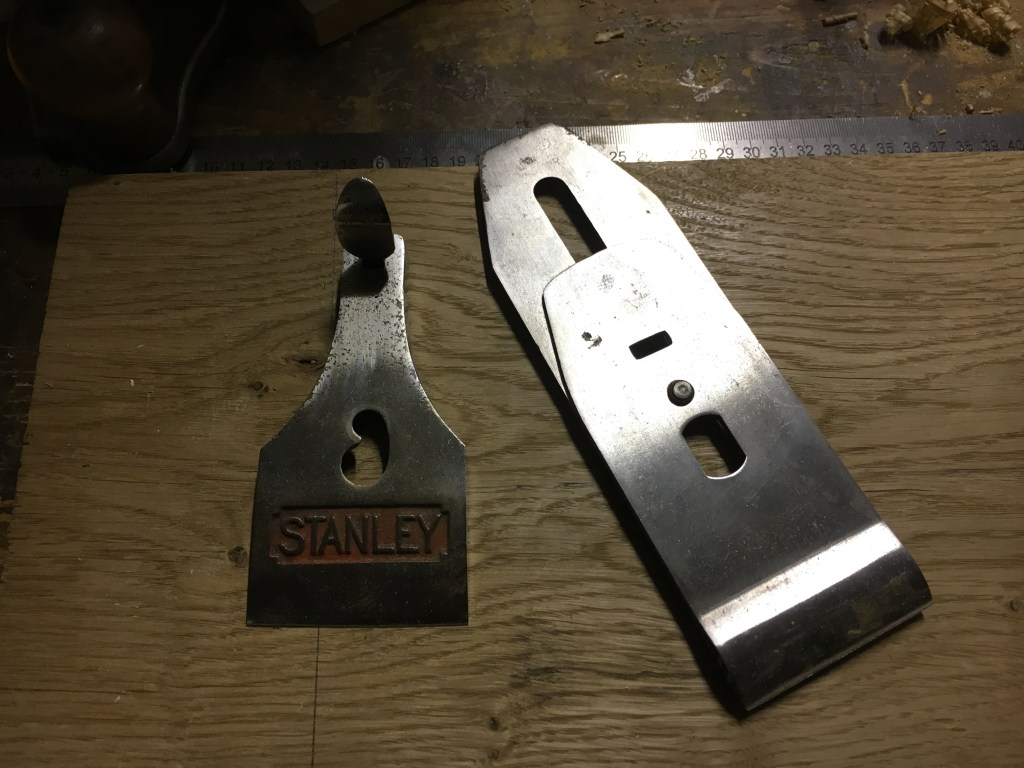
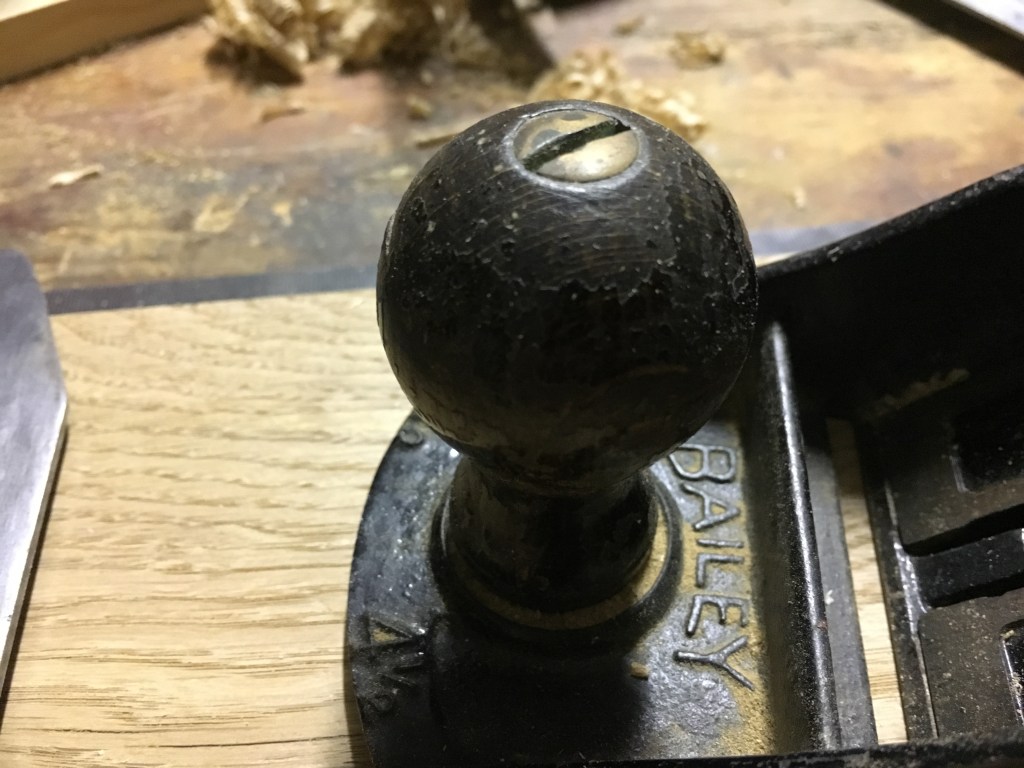
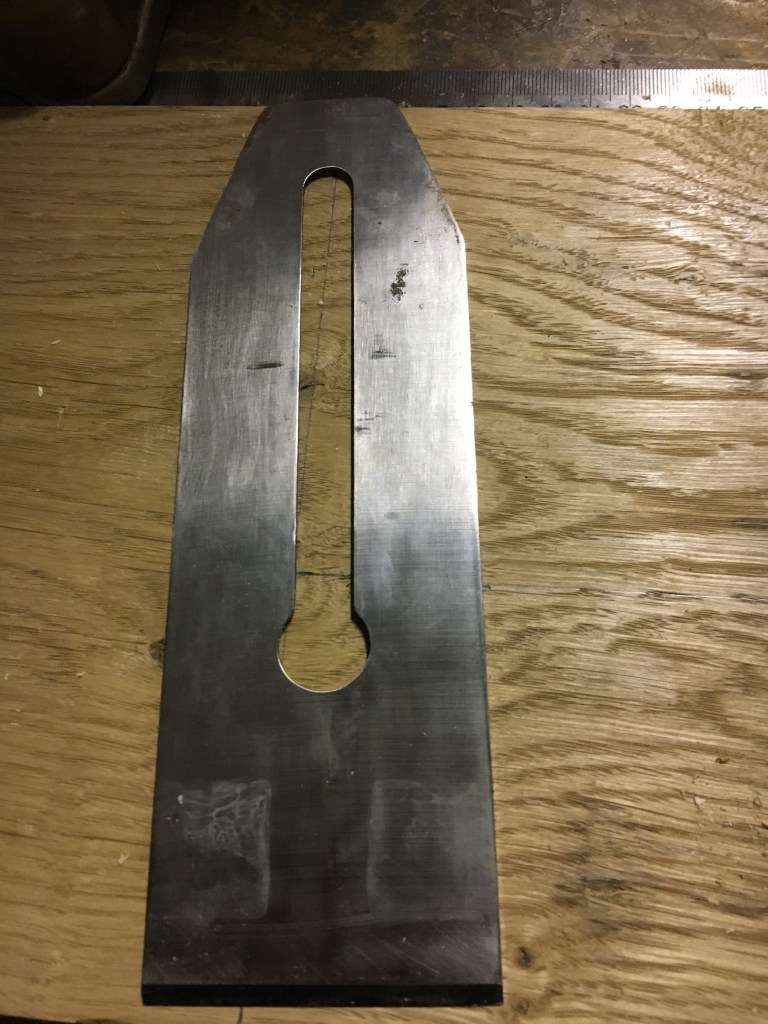
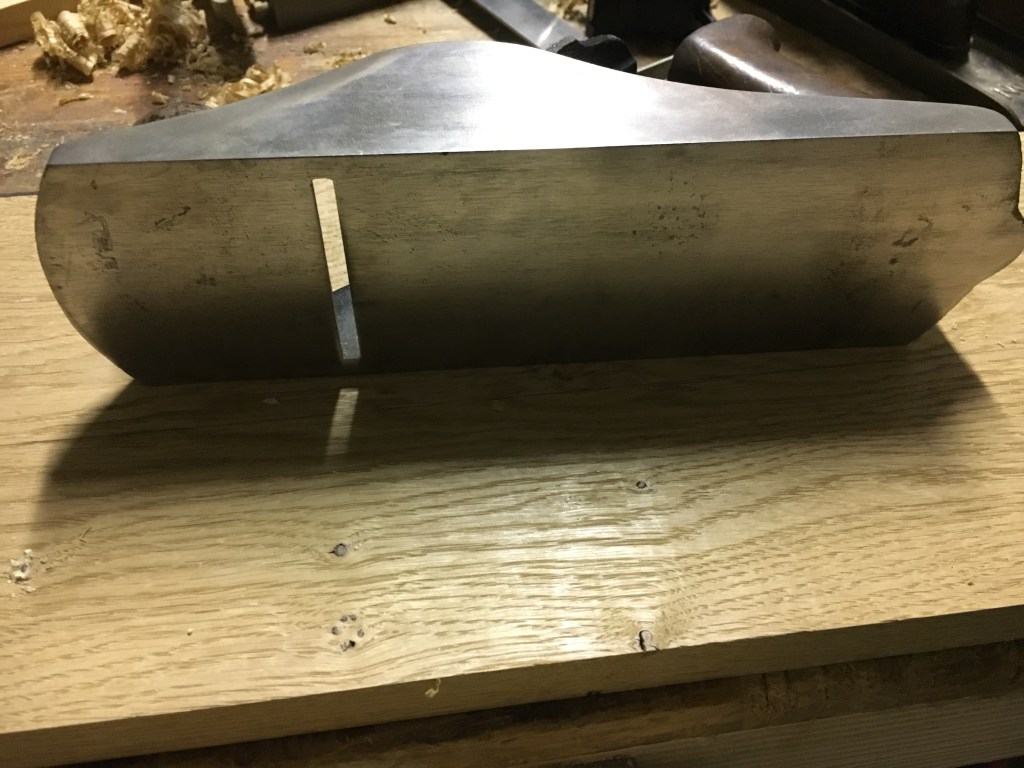
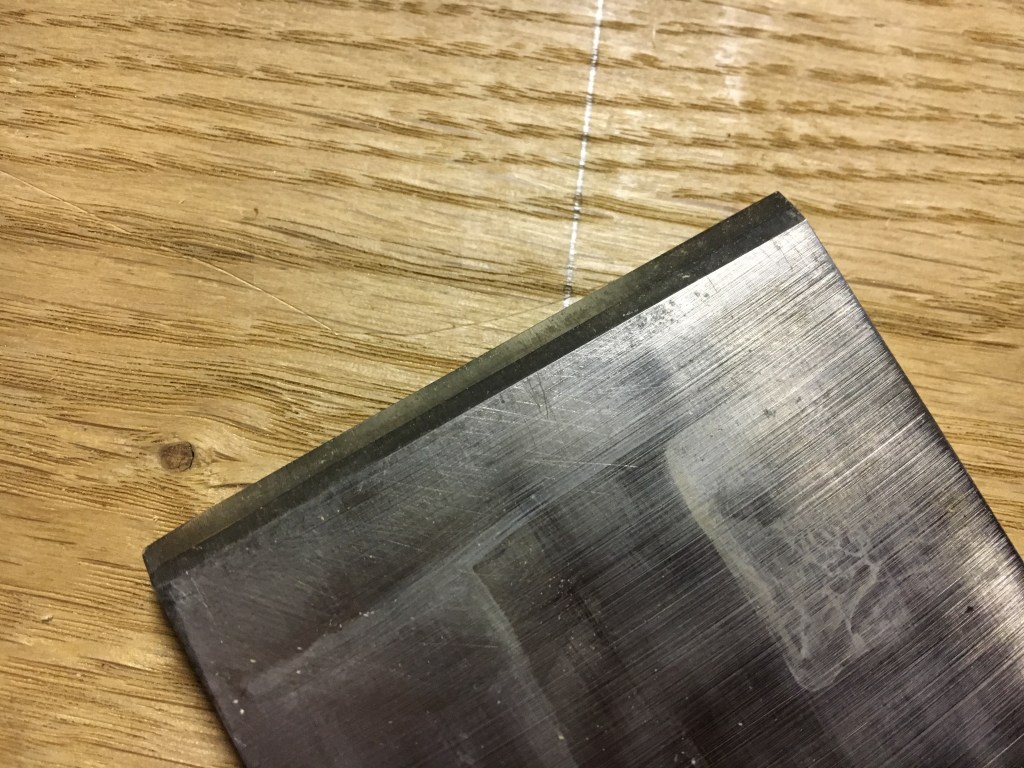
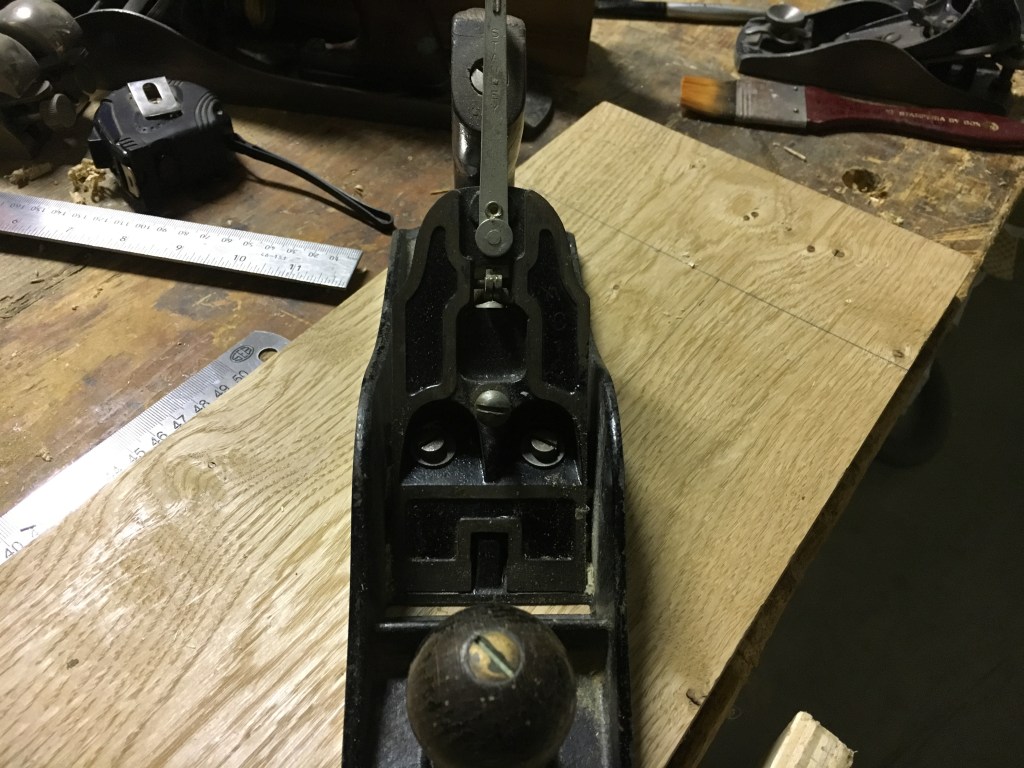
Nota: per una descrizione degli elementi raffigurati cliccare sulle foto.
Spesso il prezzo delle pialle vintage, specialmente quelle messe all’asta, è abbastanza basso. Questo dipende principalmente dalla marca e modello della pialla ma anche dalle sue condizioni generali. Una pialla già restaurata verrà venduta ad un prezzo superiore ad una pialla che necessita di consistenti interventi di restauro. Il prezzo però non dovrebbe mai essere troppo basso in quanto questo potrebbe nascondere difetti non evidenziati dal venditore. Generalmente diffido di quegli annunci con una sola foto e con descrizioni troppo generiche e stringate a meno che non sia assolutamente convinto da altri fattori della bontà dell’oggetto. Un occhio sempre alle spese ed alla forma di spedizione. Spesso le spese per l’Italia sono oggettivamente alte e talvolta la spedizione non è tracciata. Inoltre bisogna sempre tener conto che gli utensili manuali per la lavorazione del legno (e le pialle non fanno eccezione), come accennato, sono difficilmente acquistabili in Italia. L’ acquisto su Ebay inglese porta con sè il problema del cambio sfavorevole euro – sterlina ma per contro ha spese di spedizione accettabili. L’ acquisto su Ebay americano ha come aspetto positivo il cambio favorevole euro – dollaro ed un generale livellamento dei prezzi verso il basso. Purtroppo le spese di spedizione e i dazi doganali ne rendono spesso proibitiva l’ importazione, senza contare che ultimamente la nuova normativa sull’ importazione dagli USA ha istituito notevoli vincoli all’entrata di determinate categorie merceologiche nel nostro paese.
Il consiglio che posso dare, prima di procedere all acquisto, è quello di non farsi prendere dalla voglia di comprare tutto e subito. Acquistare il poco che serve per il lavoro da fare e soprattutto non fermarsi al primo articolo trovato per la fretta di concludere, questo anche a costo di farsi scappare l’acquisto. Verificare sempre con calma le tante aste disponibili, farsi un idea dei prezzi di mercato, controllare i feedback degli utenti e l’ affidabilità del venditore anche e soprattutto la sua propensione ad interfacciarsi con voi dopo l’acquisto e la consegna dell’ oggetto. Spesso possiamo avere la sgradita sorpresa, come è successo recentemente a me, di vedersi recapitare un articolo non conforme a quanto descritto, o peggio ancora con danni occulti. La sensibilità e predisposizione del venditore ad ascoltarvi e venirvi incontro nel cercare di risolvere il problema sarà un ulteriore garanzia di tranquillità per compiere sereni il vostro primo passo nel mondo dell’ acquisto delle pialle vintage.
———————————————————————————————————-
In woodworking by hand the action of planing is the one I prefer the most and from which I get the greatest satisfaction. But it has not always been this way. At the beginning I made many mistakes, many of which due to the lack of experience but above all to the hurry of wanting to reach the final result. Especially with this type of tool I discovered at my expense that it is essential, before anything else, to know some basic notions about its structure, its functioning and the dynamics that govern its use. I still believe that for a beginner the plane is not a simple tool to handle. In fact, its use is not as simple as it seems at least not immediately as for example which is the case of saws or chisels. This is why I return to say how it is important to take some time to deepen its basic characteristics so as not to get discourage after its first use.If the plane is of poor quality or has some imperfections in its structure these will seriously affect our work. Even if you buy a brand new plane this will still require some adjustments that will allow its use in a full and satisfactory way. Very often these are minimal adjustments, such as the sharpening of the cutting edge.The planes used, the so called vintage planes,many times require more or less incisive, and in general, greater care, especially those newly purchased. It is in this first step that we need to put in place a whole series of adjustments (we will see them in a future dedicated post) that will allow them to work properly. In this article I would like to bring to the attention of the reader some considerations, useful elements that can provide interesting information about the choice before and in the purchase then, of a new or used plane. First of all what and where to look after the decision to buy a metal plane? I state that, as said in a previous post, as a first model I would suggest a number 4 or a number 5 (but also a 4 and a 1/2 would be fine). If we decide for a brand new plane I would definitely avoid those cheap planes that we can buy in some brico and / or sold online. This is because the material used and the construction quality of these super-economic planes is not always satisfactory and certainly not up to the type of processing to which we must rightly aspire. Often, so that they can work effectively, it is necessary to put in place a whole series of tricks such that, at the end, it is not by far convenient, in order of time and work, their purchase. Moreover, since these planes are of low quality and very cheap, they are not destined to last over time, and therefore there is no need to say that their low value will go to zero in a little time. The same, as we will see, does not happen with quality planes, especially for vintage ones. That said, there are many medium and high quality products on the market that are worth all the money invested for their purchase. For this type of planes, not owning them and having never had the pleasure to try them, I can only report what good I could read on the various Italian and foreign forums dedicated to the subject. Therefore I indicate below the most famous brands and of which I have heard in absolutely commendable terms.
Lie Nielsen https://www.lie-Nielsen.com/nodes/4063/handplanes Veritas http://www.veritastools.com/Products/ProductList.aspx?cat=44
Qiangsheng http://www.rutlands.co.uk/sp+woodworking-hand-tools-hand-planes-smoothing-planes-qiangsheng-luban-no-4-smoothing-plane-bedrock-pattern-rutlands+dk1180
Other commercial sites where you can find the above planes are: http://www.rma-tools.it;
http://www.axminster.co.uk;
http://www.fine-tools.com;
http://www.dictum.com.
The prices of new planes are quite expensive but we have to consider that you buy an absolutely essential tool in our woodworking of high quality, destined to last decades and to maintain over time both its value and its degree of resale. Personally I prefer the purchase of used planes (the so-called vintage planes). The reasons are many and I will try to express them summarily.
The used planes cost less than new ones and, according to the writer, are also of better quality, especially if we choose among the most famous brands such as Stanley, Record, I Sorby and Woden. Historically, planes made in the UK or made in the USA are preferred, nations that boast a centuries-old history in the production of hand tools for woodworking.
These planes almost always require substantial restoration work, an operation which for many may seem difficult but which, according to me, is not difficult and can only bring benefits. In fact, the need to restore a plane leads the user to get in close contact with it, having to dismantle it piece by piece, provide for its cleaning, its restoration and subsequent reassembly. In doing so we will discover how a plane is made, its intrinsic structure, which mechanisms make it work, and so much more. Moreover, the restoration operation instills in us the undeniable satisfaction of being able to bring back to the ancient glories a tool otherwise destined to oblivion, to have brought an object back to full working order giving it another hundred years of life and thus allowing it the transition to future generations. The planes built in the UK and in the USA, especially those produced before the end of the Second World War, are incomparable, both for the quality of the materials used and for the construction technique used. They have come to us after decades of daily use and this prove their great quality. Small engineering masterpieces still used in modern models, a design remained almost unchanged. Below I present a list of planes that, according to famous woodworkers and in my humble opinion, represent the best of what ever made. Among the producers of these models only Stanley is still in business and, although it still produces good quality tools, does not meet the quality standards of the past, especially for what concerns the planes.What should we look at in a used plane before proceeding with its purchase? Taking a look at the Ebay market (by far the site with the largest number of items available) unfortunately we will not have the opportunity to see the object in person or even try it. So we will have to rely on the photos included in the announcement and on the good faith and technical knowledge about the tool by the seller. It is essential in these cases to carefully read the description provided, paying attention of those too general and to look with attention at the photos, better if more than one photos are included, because they often denote transparency and security about the quality of what is sold. If the description and photos are not detailed or do not satisfy us at some level and leave some questions open, it is a good thing to contact the seller asking him questions.
Stanley;
Record;
Sorby;
Woden.
The above brands can be purchased on http://www.ebay.co.uk or on http://www.ebay.com by entering the brand name (Stanley, Record ..) in the search field, the model number (4, 4 1/2, 5 ..) and the plane name. On web there are also other specialized sites dedicated to the sale of hand tools but often their price is particularly high. The Stanley and Record brands are the most widespread, the other two much rarer.Better to look for planes produced before the Second World War, marked Stanley or Record. Check carefully whether all parts of the plane are present. The lack of even one screw can subsequently create problems due to the difficulty of finding them and the convenience of the shipment compared to its value. In this case it can help, at least in the early days, to have an exploded view of the structure of a plane so that it can be compared and updated. In Figure 1 from the book The Essential Woodworker of Robert Wearing it is shown the structure of a Record # 4 comparable with the original in the photo above (for convenience I also included an Italian translation). Once verified that the plane is complete in its parts we can check the quality and the residual life of the blade. An original blade with a lot of residual life (verifiable by looking at the length of the iron) is definitely to be preferred. The conditions of the handles are important, above all their solidity and strength. Better if they are in wood and if not damaged or chipped. These small imperfections usually do not affect the dynamics of the plane but the subsequent work of arrangement, if you decide to make it, and even if not difficult, will still require time to dedicate. Often it is necessary to proceed with their dismantling and shorten the screw that passes inside so as to guarantee a renewed strenght. A very important element to be verified with accuracy is the condition of the sole and the sides of the plane body. They must be absolutely free of fractures, cracks or splits, especially near the mouth from which the blade comes out. In general, then, it is necessary to check the good condition of the cap iron, of the lever cap, of the depth screw (better if made of brass) and of the lateral lever. In addition, the planes that have a full frog should be preferred. We can say without a doubt that, if the pieces are all in place, any defects (with the exception of damage to the sole mentioned above) can be easily resolved with a little patience and time available. The sharpening of the cutting edge and of the cap iron is always to be taken into account, as well as the flattening of the sole and the sides of the plane body. The lack of paint (japanning) from the plane body, the handles to be picked up and the presence of so much rust are the normality in this type of planes and I think they even show the good quality of the plane because they show that they have been used at full capacity for a lot time (including rust).Often the price of vintage planes, especially those for auction on Ebay, is quite low. This depends mainly on the maker and model of the plane but also on its general conditions. A plane already restored will be sold at a higher price than a plane that requires substantial restoration. However, the price should never be too low as this could hide defects not highlighted by the seller. Generally I avoid those ads with a single photo and with too general and short descriptions unless I am absolutely sure by other factors of the goodness of the tool. Always take a look at the cost of shipment and the form of shipping. Often the costs for Italy are quite high and sometimes the shipment is not traced. Furthermore, we must always take into account that hand tools for woodworking (and planes are no exception), as mentioned, are difficult to purchase in Italy. The purchase on English Ebay brings with it the problem of unfavorable euro – pound exchange but on the other hand has acceptable shipping costs. The purchase on the American Ebay has the positive aspect of the favorable euro – dollar exchange rate and a general leveling of prices downwards. Unfortunately, shipping costs and customs duties often make importation prohibitive, not to mention that recently the new legislation on imports from the USA has established significant restrictions on the entry of certain categories of goods in our country.The advice I can give, before proceeding with the purchase, is not to hurry up to buy everything and right now. Take your time think twice and buy first what you really need for the project you are working. Don’t stop at the first item you find for the rush to conclude, this even at the cost of making the purchase run off. Always check and look for the many available auctions, get an idea of the market prices, check the customer feedback and the reliability of the seller also and especially his willingness to interface with you after the purchase and delivery of the item. Often we can have the unwelcome surprise, as happened recently to me, to be delivered an article that is not as described, or worse with hidden damage. The sensitivity and willingness of the seller to listen to you and meet you in trying to solve the problem will be a further guarantee of quiet to make your first step in the world of purchasing your first vintage plane.


 CREAROBI
Lascia un commento