IL LEGNO E LA SUA LAVORAZIONE MANUALE. INTRODUZIONE.SECONDA PARTE / WOOD AND WOODWORKING BY HAND. INTRODUCTION.PART TWO.
English translation at the end of the article
Come anticipato un pò di tempo addietro, esce oggi la seconda parte dell’introduzione a questo racconto che vuol essere un viaggio all’interno del legno abbracciandone le innumerevoli sfaccettature e le tante implicazioni a partire dalla sua intrinseca natura, per passare poi alla trasformazione, alla sua lavorazione e tanto altro ancora. Un viaggio che si preannuncia lungo e spero interessante. Per chi non avesse letto la prima parte può trovarla qui Introduzione. Il legno e la sua lavorazione manuale. Prima parte. Adesso la seconda parte, buon proseguimento.
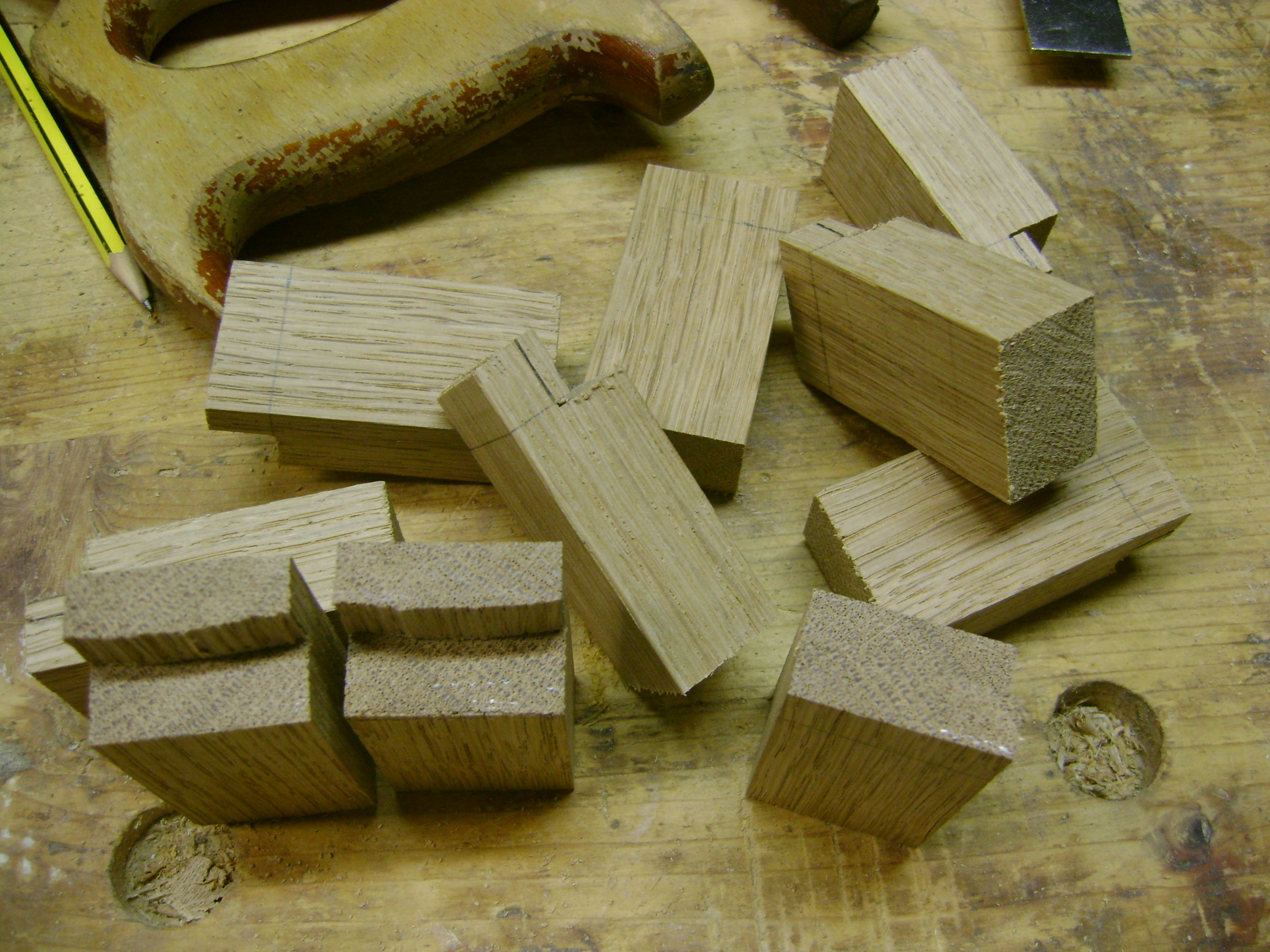
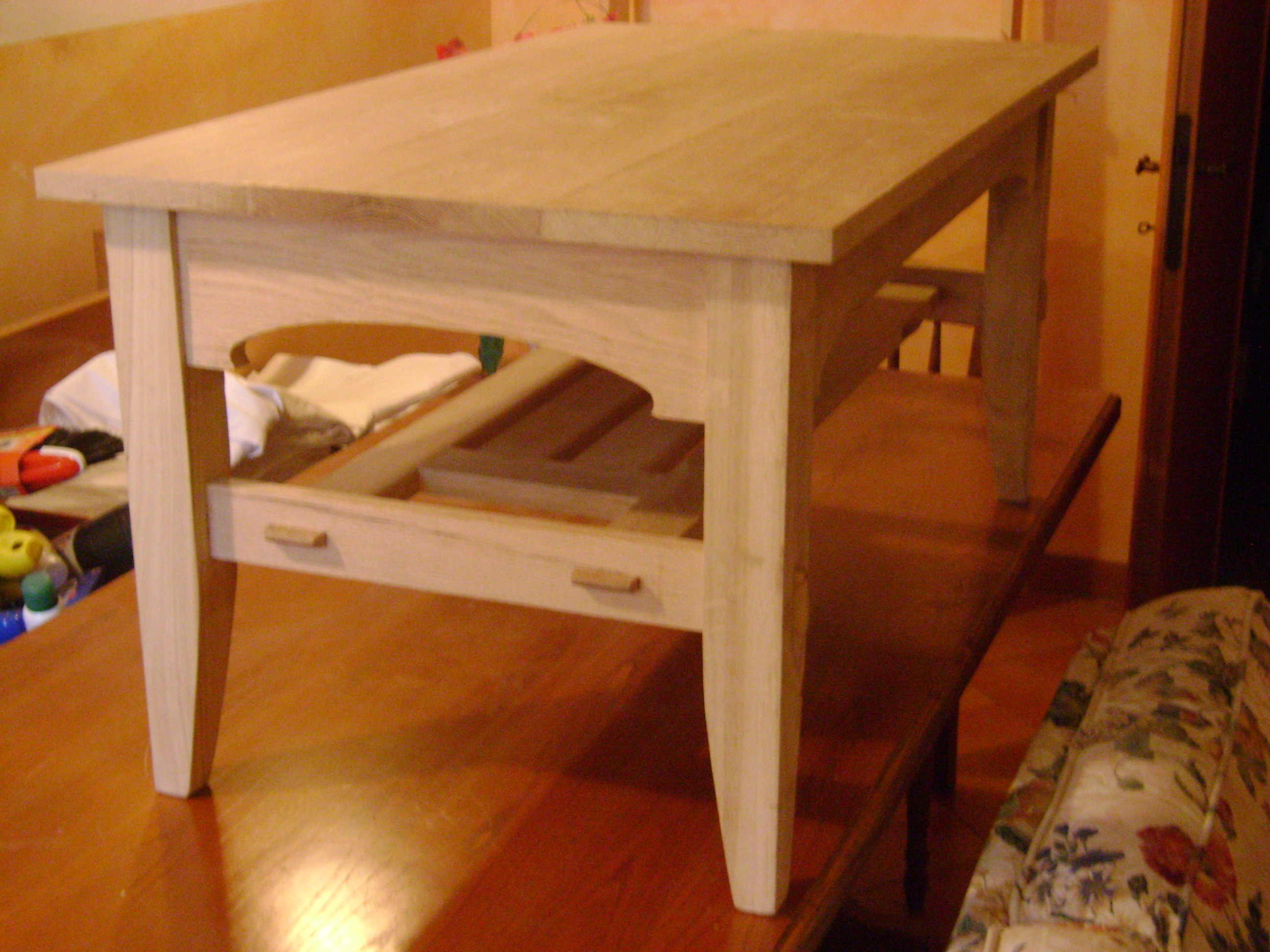
Chi lavora il legno, sia esso un falegname ebanista professionista o il principiante hobbista del fine settimana, sa cosa vuol dire arrovellarsi per una misura presa male, un incastro venuto lasco, un taglio non preciso o una tavola che non si riesce a piallare. Ma sa anche cosa vuol dire gioire nel veder nascere da un semplice pezzo di legno un qualcosa che prima non esisteva, un qualcosa fatto da noi con la nostra passione ed il nostro sudore. In ciò che creiamo si sostanzia la nostra fantasia, la nostra creatività, il nostro lavoro ed il tempo che gli dedichiamo. Niente di comprato e fatto da altri, solo il frutto della nostra dedizione e del nostro ingegno.
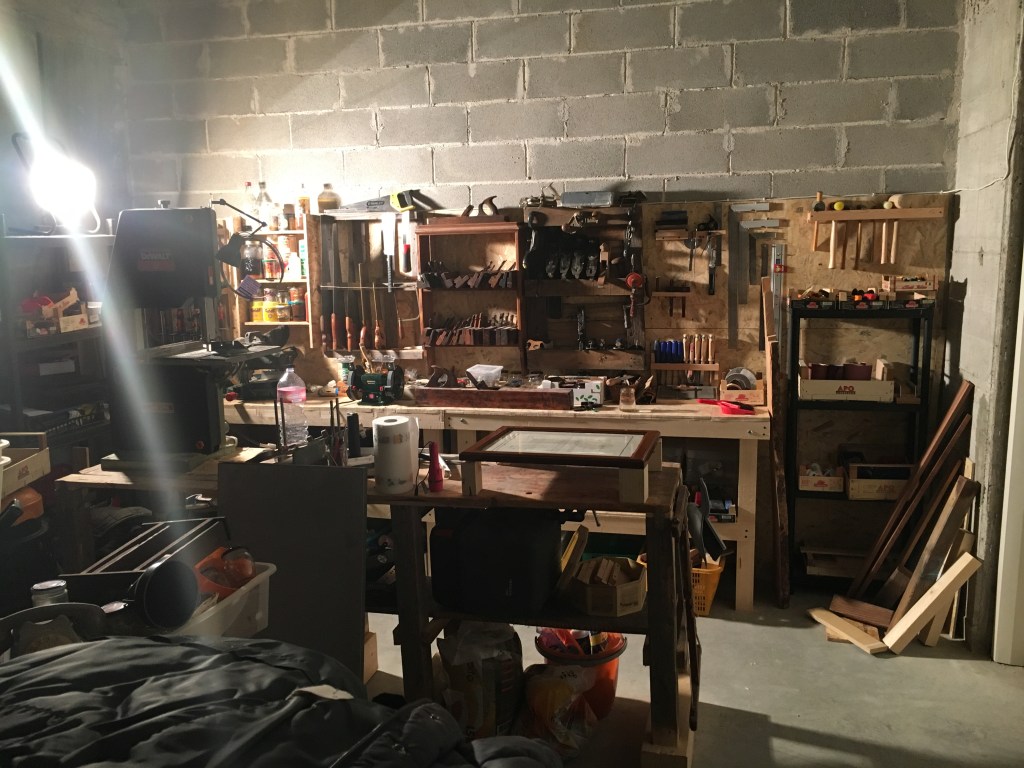
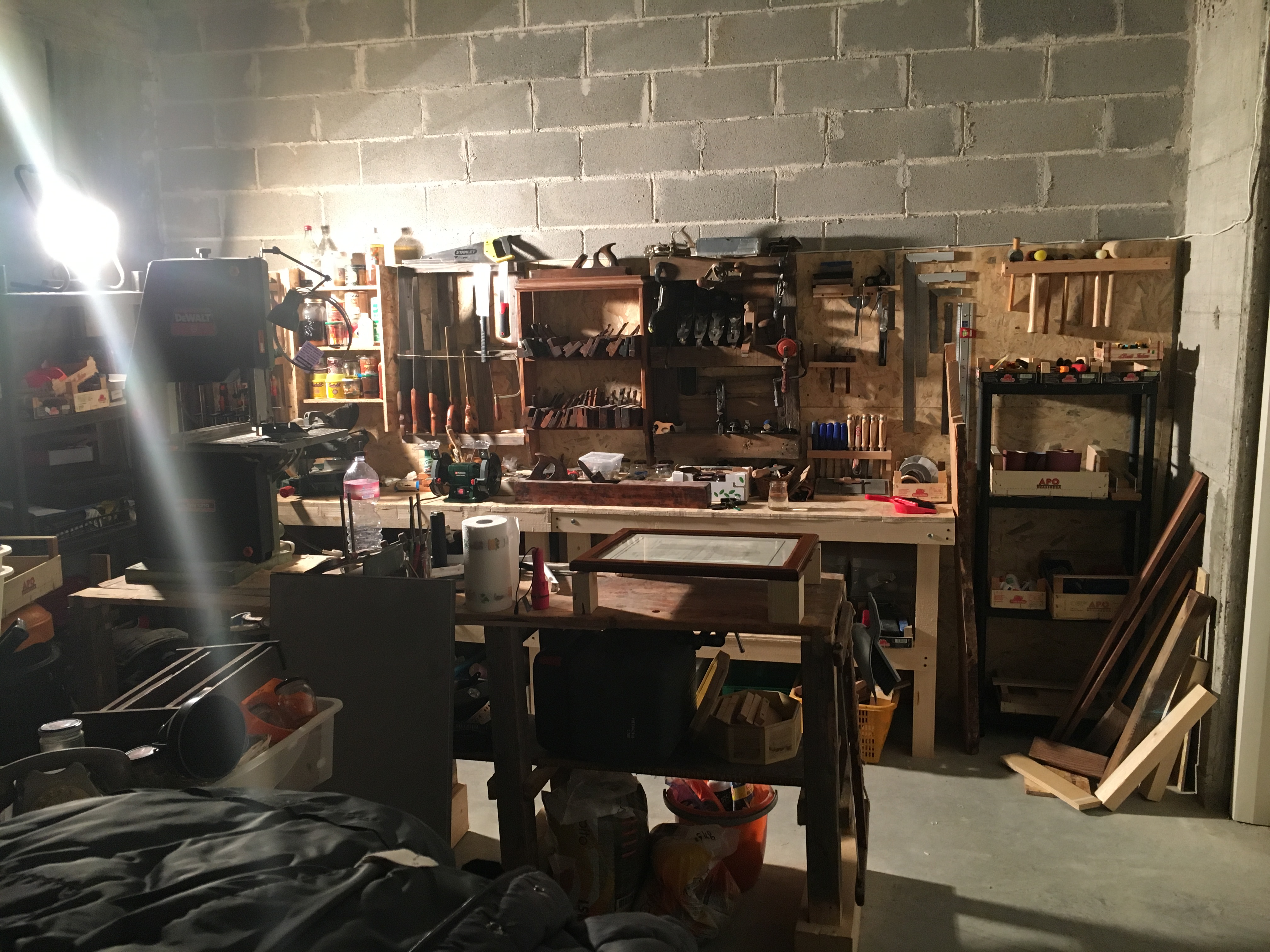
Ecco, la mia passione per la lavorazione manuale del legno, quella che veniva fatta dai falegnami artigiani di una volta utilizzando pialle, seghe, rasiere e scalpelli, è la scintilla che ha acceso in me la voglia di condividere quanto di fantastico c’è dentro a questo “piccolo mondo antico”. In questa breve introduzione ho volontariamente utilizzato una forma un pò sopra le righe e forse fuori dal contesto, in uno stile vagamente romanzato, scritto come una storiella per bambini, immaginando un padre falegname, Giuseppe, ed il figlio apprendista, Paolo, che in un tempo indefinito, entrando una mattina nella loro bottega, parlano di come padroneggiare al meglio lame affilate che modellano forme e creano incastri che si combinano in armoniose forme e rigide sostanze. L’ amore verso questo tipo di lavorazione fatto solo con strumenti manuali nasce da una mia naturale avversione a quanto di tecnologico viene utilizzato oggi in un laboratorio di falegnameria, una sorta di disagio interiore che avverto ogni qualvolta debba forzatamente e mio malgrado utilizzare attrezzature elettriche. Attrezzature di cui sicuramente, per come è strutturato il sistema economico oggigiorno, non si può più assolutamente fare a meno ma che nella sostanza trovo stiano privando di sentimento ed unicitá una professione, quella di falegname, che sta progressivamente sparendo.
Ma per capire perchè tutto questo stia accadendo occorre fare un passo indietro. E’ necessario dapprima conoscere un pò meglio l’oggetto da cui tutto questo ha origine, l’elemento principe attorno al quale tutto ruota, la materia prima per eccellenza: il legno. L’immagine densa di significati del padre e del figlio che si tramandano la professione di falegname e di cui mi sono servito per introdurre l’argomento viene adesso abbandonata sperando sia stata utile, secondo le intenzioni di chi scrive, a suscitare un briciolo di curiositá verso un argomento al quale spesso non viene data l’importanza che merita. Finita questa introduzione la narrazione diventerá impersonale ed un pò tecnica, mantenendo comunque sempre come filo conduttore il legno ed il lavoro del falegname, ma traendo continuamente spunti utili ad approfondire taluni aspetti legati a questo materiale ed alla sua lavorazione. Spero che questa mia esposizione, seppure necessariamente stringata data la vastità della materia, sia riuscita a suscitare un minimo di interesse e possa contribuire a far nascere in chi legge un sentimento di riscoperta verso una delle più nobili materie prime, il legno, ed uno dei più antichi mestieri, quello di falegname.
Buona lettura.
—————————————————————
As I anticipated some time ago, today I write the second part of the introduction to this story that wants to be a journey inside the wood, embracing the many facets and the many implications from its intrinsic nature, then move on to its transformations, processing and much more. A journey that promises to be long and I hope interesting. For those who have not read the first part you can find it here Introduction. Wood and its manual processing. First part. Now the second part, good reading ..
Those who work wood, professional cabinetmaker or a beginner know what it means to rack up for an inaccurate measurement, a loose joint, an inaccurate cut or a board that can not be planed. But he also knows what it means the joy in seeing something that did not exist before, born from a simple piece of wood, something made by us with our passion and our sweat. In what we create, our imagination, our creativity, our work and the time we dedicate to it are substantiated. Nothing bought and made by others, only the fruit of our dedication and our intelligence.
Here, my passion for woodworking by hand the one made by the woodworkers of the past using planes, saws, scrapers and chisels, is the spark that light in me the desire to share what there is of fantastic inside this “little ancient world”. In this brief introduction I was intentionally a little above the lines and perhaps out of context, in a vaguely fictional style, written as a children’s story, imagining a woodworker father, Giuseppe and the son’s apprentice, Paolo, who, in a indefinite time, entering one morning in their shop, talk about how to master sharp blades, moulding forms and create joints that combine in harmonious shapes and hard substances. The love for this type of work made only with hand tools arises in me from my natural adversity to the power tools used today in many if not all workshops, a kind of inner discomfort that I feel whenever I am forced, and in spite of myself, using power equipment. Equipment of which, certainly, as the global market system is structured nowadays, you can not absolutely do without but that in substance I find are depriving of a feeling and uniqueness the woodworkers profession which is gradually disappearing.
But to understand why this is happening, we need to take a step back. First of all it is necessary to know a little better the object from which all this originates, the main element around which everything revolves, the raw material par excellence: the wood. The image full of meanings of the father and son who handed down the woodwork job and which I have used to introduce the post is now abandoned hoping it was useful, according to the intentions of the writer, arousing a shred of curiosity towards a topic that is often not given the importance it deserves. After this introduction, the narration will become impersonal and a little technical, always maintaining as a guiding thread, the wood and the woodworkers, but continually taking useful cues to deepen certain aspects related to this material and its processing. I hope that this series of posts, although necessarily short given to the vastity of the argument, has been useful to arouse a minimum of interest and can contribute to give birth to the reader a feeling of rediscovery towards one of the noblest raw materials, the wood, and one of the oldest jobs, the woodworker.
Enjoy the future readings.


 CREAROBI
Lascia un commento