Il legno e la sua lavorazione manuale. Introduzione. Prima parte / Wood and woodworking by hand. Introduction. Part one
English translation at the end of the article
Parte oggi un ciclo di post che aggiornerò periodicamente.
Vorrei raccontare del legno affrontando taluni aspetti di cui ancora non ho parlato. Quindi non solo utensili, tecniche di lavorazione,
affilatura e progetti ma anche struttura del legno, trasformazione dell’albero dal tronco alla tavola, implicazioni commerciali ecc. Il tutto organizzato sotto forma di libro, diviso in più sezioni, ma che poi alla fine un libro non sarà. Un lavoro che vedrà la luce poco alla volta e che quindi necessariamente dovrò dividere e pubblicare in più parti.
Adesso però è l’ora di iniziare.
———————————————————————————–
Giuseppe mise le sue grandi e nodose mani sulle spalle del figlio e lo guardò dritto negli occhi come se stesse traguardando una tavola di legno e gli disse: “…se ami quello che fai nessuno avrà di che lamentarsi, neppure tu..”.
Il figlio Paolo sul momento non comprese il significato di quelle parole. Solo qualche anno dopo, crescendo nella bottega del padre, ripenso’ a quella frase e ne capì il senso. La passione che viene messa nell’esecuzione di qualsiasi opera trapela dal manufatto ultimato e questo a maggior ragione accade quando si tratta di legno. Nessun altro materiale e’ così multivalente e polifunzionale ed oltremodo così impegnativo nella sua lavorazione quanto il legno stesso.
Il legno è da sempre in un’affascinante analogia con il corpo umano. Perchè, così come accade per ogni essere vivente, il legno nasce, cresce, si ammala, subendo aggressioni più o meno visibili, ed infine muore. Come il tempo della vita lascia segni indelebili sulla pelle di un uomo così succede per il legno. Ed osservandone gli anelli ed il tipo di crescita, il cuore, l’alburno, la corteccia e molto altro ancora, tutto questo ci svelerà quello che è e quello che e’stato. Perchè il legno e’ vivo ed in continuo movimento tanti sono i condizionamenti ai quali e’ soggetto, legati sia alla sua struttura intrinseca, sia alle condizioni ambientali, di stoccaggio e trasformazione a cui e’ continuamente soggetto.
Per Paolo oggi lavorare il legno e’ una professione, certo, gli procura da vivere ma non si tratta solo di questo. Lavorare il legno significa molto di più. Vuol dire considerare la natura, averne cura, vivere spesso a contatto con essa, sviluppare nel tempo un senso di rispetto verso tutto ciò che ci circonda e che forma il carattere nel solco delle tradizioni. E con questo mi vengono in mente quegli artigiani che lavorano ancora oggi il legno così come si faceva centinaia di anni fa utilizzando esclusivamente le attrezzature manuali. E’ solo lavorando in questo modo, riducendo al massimo l’utilizzo delle attrezzature moderne, entrando in contatto con la vera essenza del legno e carpendone tutti i segreti che si sviluppa lo spirito di essere veri artigiani.
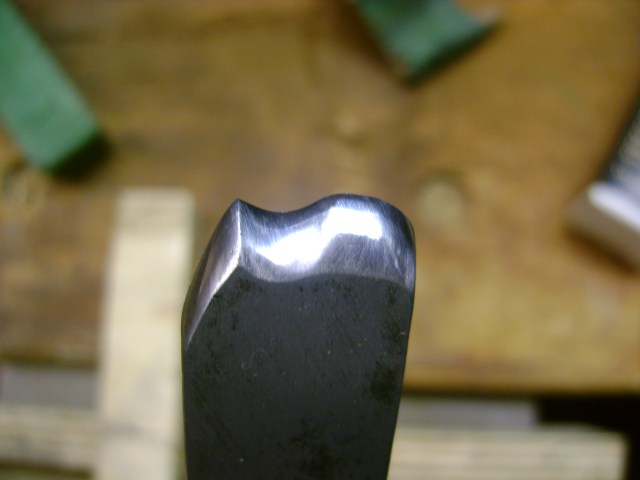
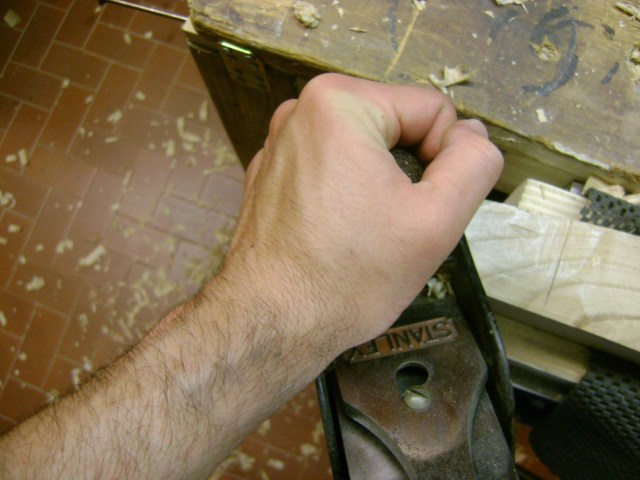
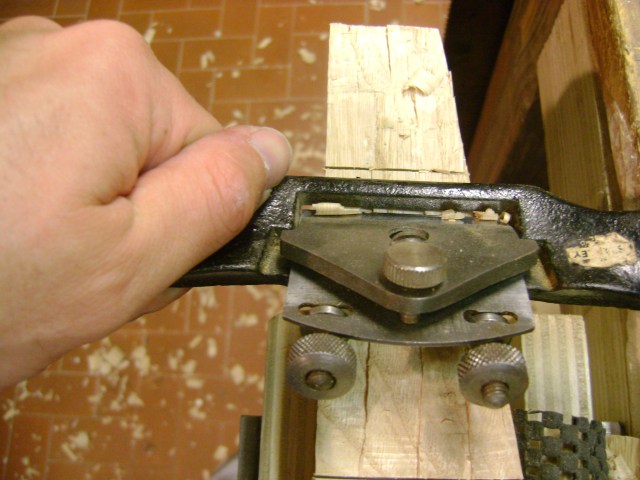
Lavorare il legno, oltre a costanza e volontà e’ anche una questione di cuore e di passione. Mi rendo conto purtroppo che la mia rischia di essere una visione utopica ancorata al passato, voce narrante di una realtà forse nemmeno in quel tempo veramente esistita. Oggigiorno la situazione economica è drasticamente cambiata e nel nuovo contesto è sempre più difficile parlare di valori etici e morali, soprattutto quando si pratica una professione artigianale, come quella del falegname, che sta lentamente sparendo a causa dei moderni cicli produttivi imposti dall’economia di massa.
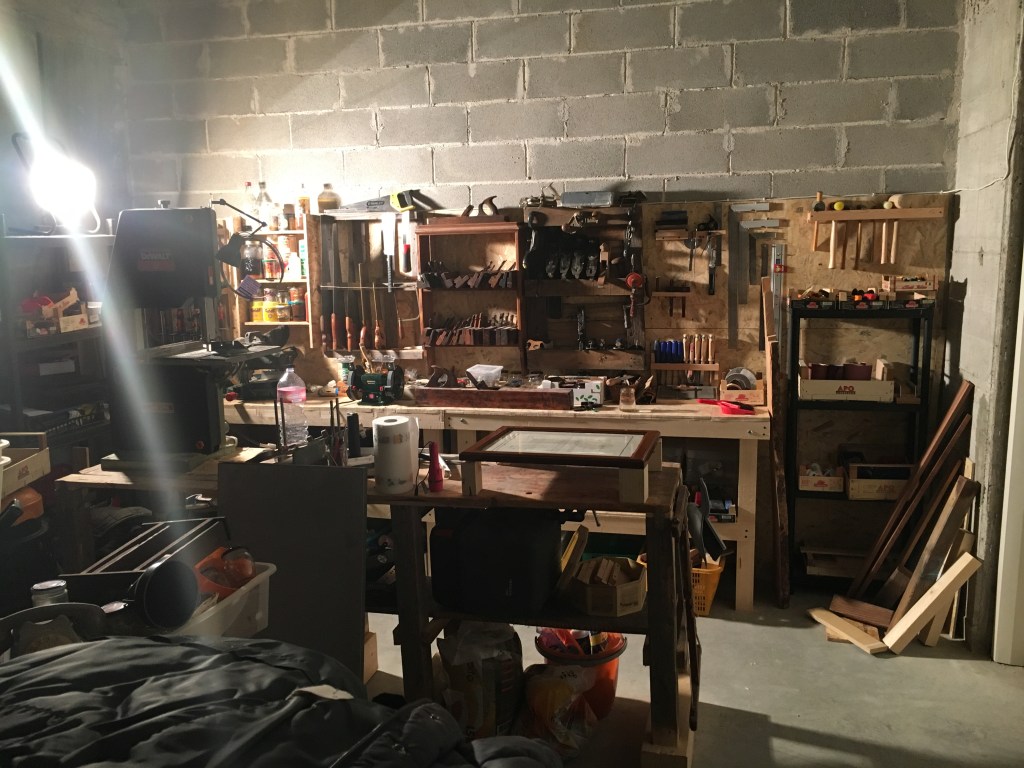
Quindi non mi rimane che immaginarlo, il falegname vecchio stampo che lavorava senza sosta in polverose botteghe con i pavimenti interamente coperti da trucioli e segatura. Un bancone con le morse e dei cani per bloccare i pezzi e tanti utensili manuali appesi alla parete ed un po’ dovunque dove capitava. Giuseppe lavorava così ma spesso non era solo. Il ragazzo apprendista che lavorava con lui, suo figlio Paolo, faceva il lavoro più grossolano, più pesante e monotono, forse anche il più umile, ma buono per imparare il mestiere. Quindi tutto il giorno a piallare e segare grossi pezzi di legno, ad affilare lame di ferri e scalpelli, a pulire quando necessario, ad imparare i rudimenti del mestiere nell’attesa di potersi mettere alla prova su qualche lavoro di qualità. Era la voglia di far bene, di mettersi finalmente in luce, che avrebbe fatto nascere e crescere l’amore per questo lavoro, sviluppando la consapevolezza che tutto quel lavoro prima o poi avrebbe avuto un senso. Farsi venire i calli alle mani a piallare tavole, segare pezzi di legno, maneggiare vastringhe e scalpelli, lime e raspe, scartavetrare all’infinito per creare forme da ciò che prima non esisteva, un manufatto destinato a durare centinaia di anni, a sopravvivere a noi stessi ed al nostro tempo.
…continua
Starting today a series of posts that I will update periodically.
I would like to tell you about some aspects of the wood that I have not treated till now. So not only tools, working techniques, sharpening and projects but also wood structure, tree transformation from trees to table, commercial implications etc. Everything organized just like in a book but not a book. It will be divided in several parts because is a large amount of information covering many aspects of wood and because it’s a work in progress series.
But now it’s time to start.
Giuseppe put his big, knotty hands on his son’s shoulder and looked him straight in his eyes as if he was sighting a wooden board and said, “… if you love what you do, you’ll have to complain, not even you.” .
His son Paolo did not understand the meaning of those words. Only a few years later, growing in his father’s shop, he recalled that phrase and understood the meaning. The passion that is put into the making of any work draws from the finished product, and this is mostly true when it comes to wood. No other material is so multivalent and multifaceted and so challenging in its processing as the wood itself.
Wood has always been in a fascinating analogy with the human body. Because, as is the case for every living thing, the tree is born, grows, becomes sick by having more or less visible aggressions and at the end dies. As the time of life leaves indelible marks on a man’s skin, this is the case for wood. And by observing the rings and the kind of growth, the heart, the sap, the bark, and so much more, all this will reveal what it is and what it has been. Because wood is alive and constantly moving, so many are the conditioning that it is subject to, tied to both its structure and the environmental conditions, storage and transformation it is constantly subject to.
For Paolo’s work today, wood is a job, of course, and he’s earning from it but it’s not everything about that. Working wood means much more. It means to consider nature, to take care of it, to live often in contact with it, to develop over time a sense of respect towards everything that surrounds us and shape our character in the traditions. I refer to those craftsmen who still work the wood today as they did hundreds of years ago using only hand tools. It’s just working this way, reducing the use of machines as much as it’ possible, by getting in touch with the true essence of wood and carving all the secrets that develop the spirit of being real craftsmen.
Working wood, is not only a matter of will and perseverance but also of heart and passion. I unfortunately realize that my faul is to have an utopistic vision anchored to the past, a narrative voice of a reality perhaps perhaps never been in that or any time. Nowadays the economic situation has drastically changed and in the new context it is increasingly difficult to talk about ethical and moral values, especially when practicing an artisan craft such as the one of woodworker especially by hand who is slowly disappearing due to the modern production cycles imposed by the global mass trade.
So I could only imagine it, the old style carpenter who worked in dusty shops with floors entirely covered with shavings and sawdust. A workbench fitted with dogs to lock the pieces and many hand tools hung on the wall and everywhere possible. Giuseppe was working so but often he was not alone. The young apprentice who worked with him, his son Paul, made the more coarse work, heavier and tedious perhaps even the most humble but good to learn the craft. All day long planing and sawing large a pieces of wood, sharpening the blades of iron and chisels, ckeaning when necessary, to learn the craftsmanships, waiting the day to demonstrate the abilities and prove you master your work.
He wanted to do well, to finally put into the light, and working with wood increased the love for this job, developing the ideas that all that work sooner or later would make a sense. Handling handtools, planing boards, sawing large pieces of wood, using spokeshaves and chisels, lime and rasps, sanding all day long to create shapes from what did not exist before, a piece of furniture intended to last for hundreds of years to survive ourselves and to our time.
to be continued…


 CREAROBI
Lascia un commento