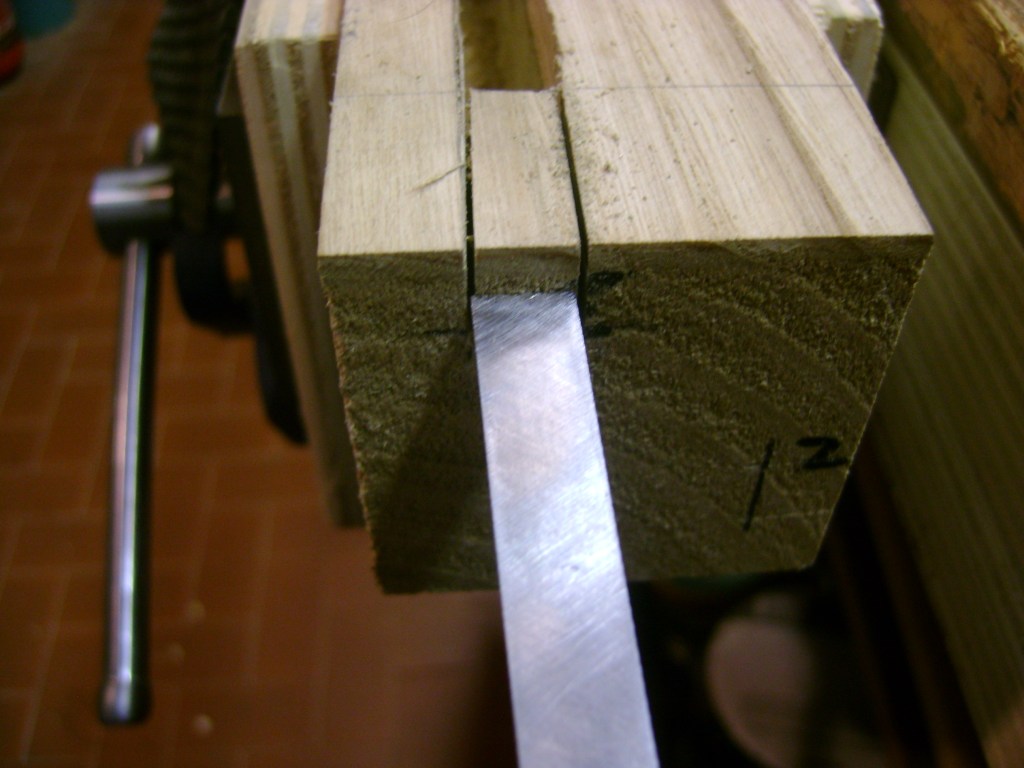
Utilizzo degli Scalpelli / How to use Chisels
English translation at the end of the article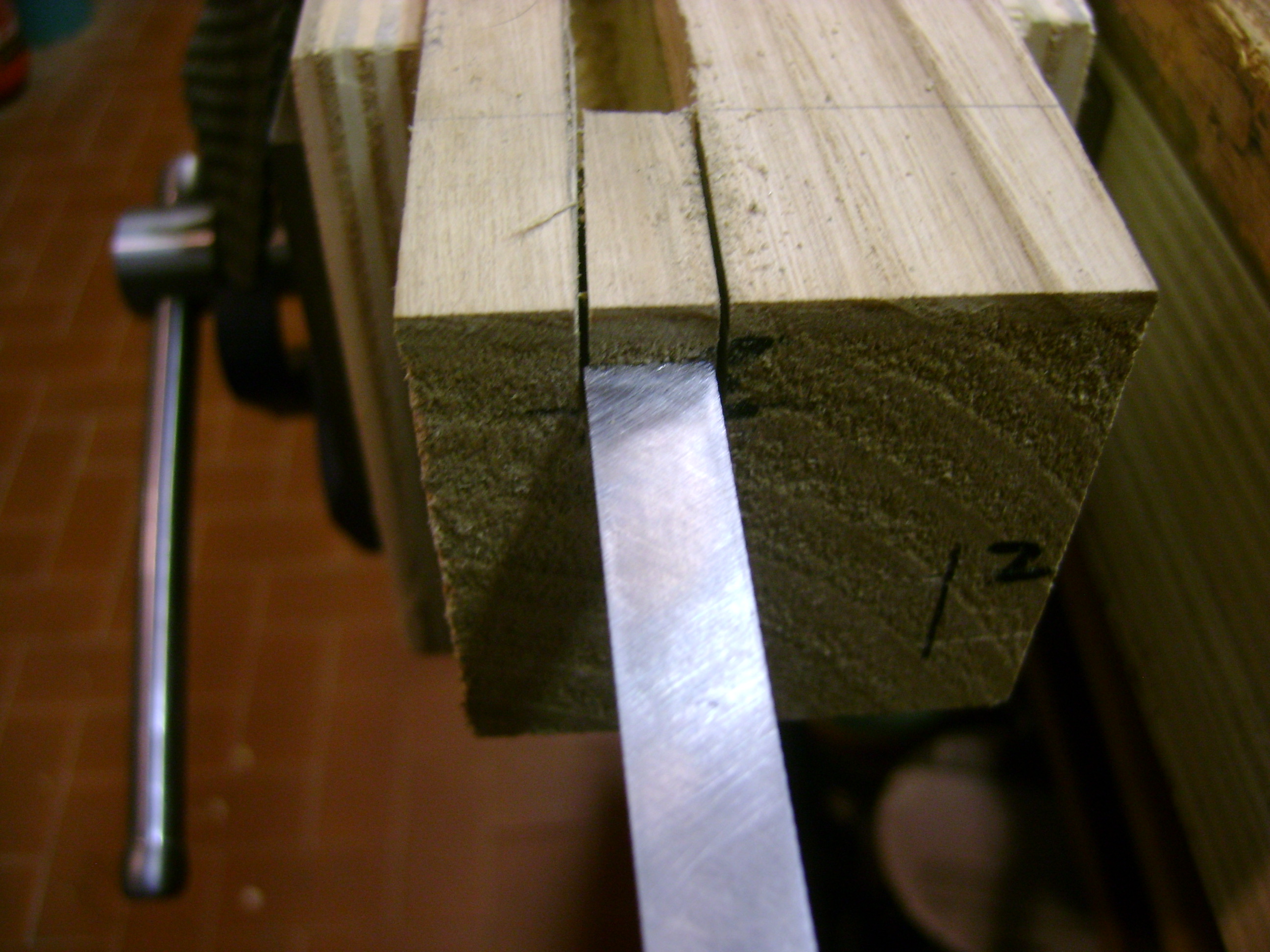
Tra i tanti utensili lo scalpello è quello dal quale sento di aver imparato di più sia per quanto riguarda il saper leggere la venatura del legno sia per la conoscenza di talune caratteristiche intrinseche del legno.
Solitamente lo scalpello viene utilizzato assieme al mazzuolo ma non
di rado, a seconda della lavorazione che dobbiamo effettuare e del tipo di legno che abbiamo per le mani, può bastare o addirittura essere conveniente utilizzare lo scalpello, senza mazzuolo, affidandoci alla sola forza del palmo della mano.
Lo scalpello viene impugnato con una mano e con l’altra viene percosso sulla testa del manico con un martello che può essere di legno o di gomma più o meno dura.
Lo scalpello può essere utilizzato perpendicolarmente alla fibre del legno o trasversalmente ad esse. Può essere mantenuto dritto oppure utilizzato inclinato. Lo si può utilizzare a mano libera con l’ausilio del palmo della mano o percosso da un mazzuolo. Può essere utilizzato usando solo una parte del tagliente anziché tutto, e via discorrendo.
Se stiamo usando lo scalpello a mano libera e’ importante la fase di entrata del tagliente nel legno. Deve avvenire gradualmente e dolcemente stabilendo dapprima un contatto sul legno facendo poca pressione ed aumentando man mano la forza spingendo o dando dei colpetti sulla testa del manico dello scalpello con il palmo della mano. Ci si può aiutare dondolando il tagliente nel legno. Questo aiuterà l’azione di lavoro.
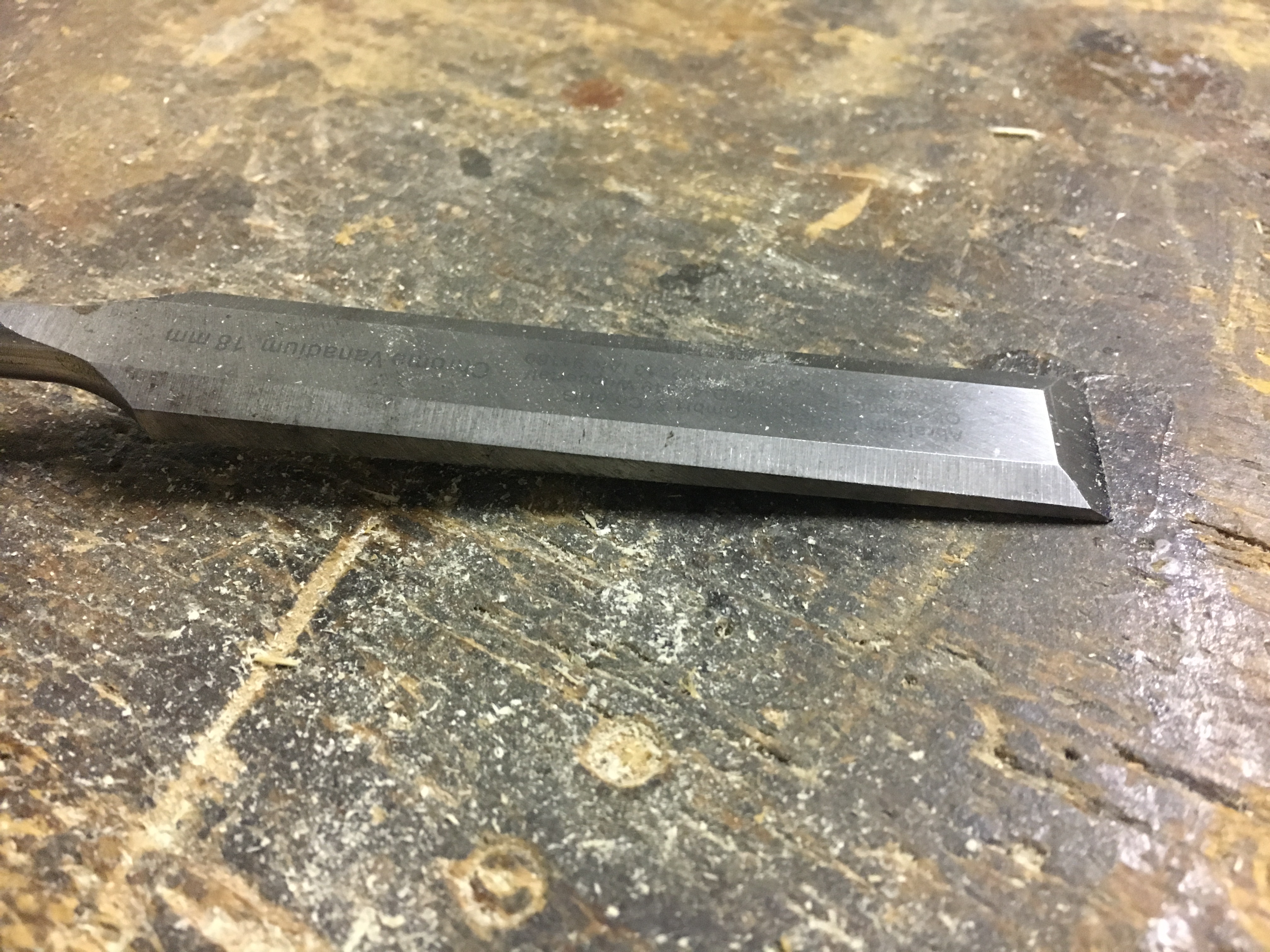
Nella falegnameria amanuense lo scalpello trova svariate applicazioni, tra le quali le più importanti sono lo scavo, il pareggio e la separazione delle fibre del legno.
Vediamo nello specifico queste ed altre lavorazioni possibili utilizzando uno scalpello bevel edge chisel.
Per approfondire e definire una traccia fatta precedentemente con il coltello o con il truschino, lo scalpello viene utilizzato perpendicolarmente e battuto delicatamente con un martello. Questo per evitare che, nella prima fase, colpendo troppo forte, lo scalpello sposti la traccia.
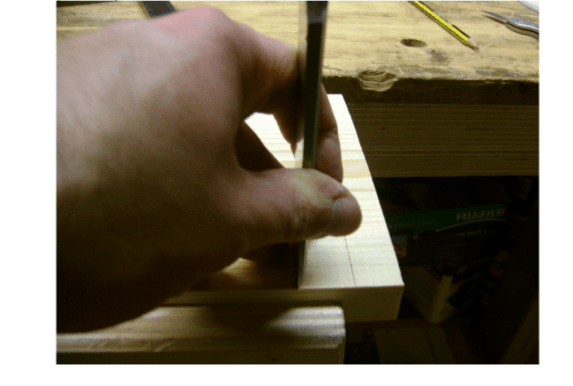
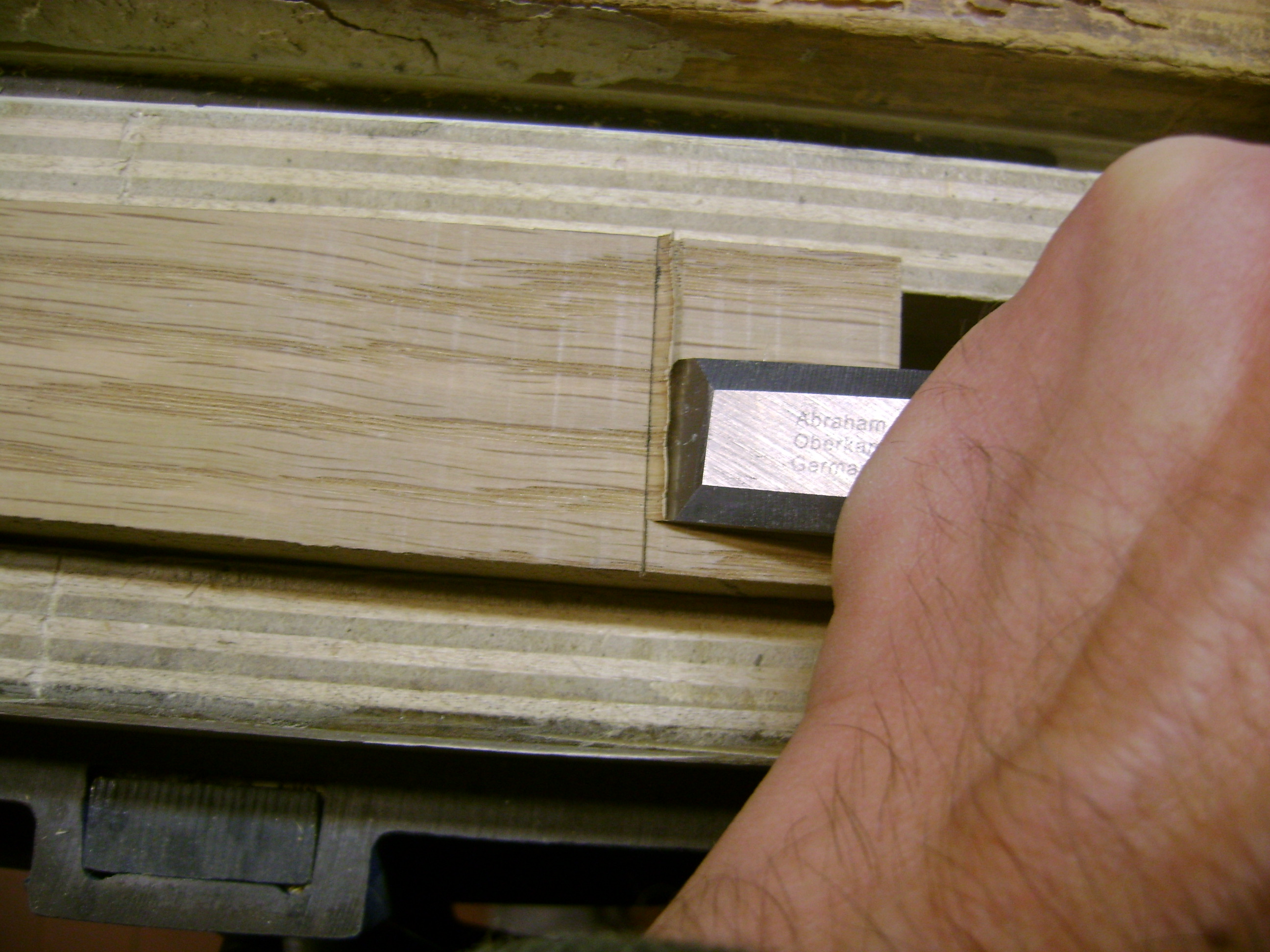 Per creare uno scavo per un incastro lo scalpello viene tenuto inclinato e, se la durezza del legno lo permette, viene utilizzato con le sole mani. Se occorre tenere molto inclinato lo scalpello può essere utile fare in modo che la mano che sta lavorando vada a poggiarsi sul legno così da poter lavorare nel modo più stabile e preciso possibile.
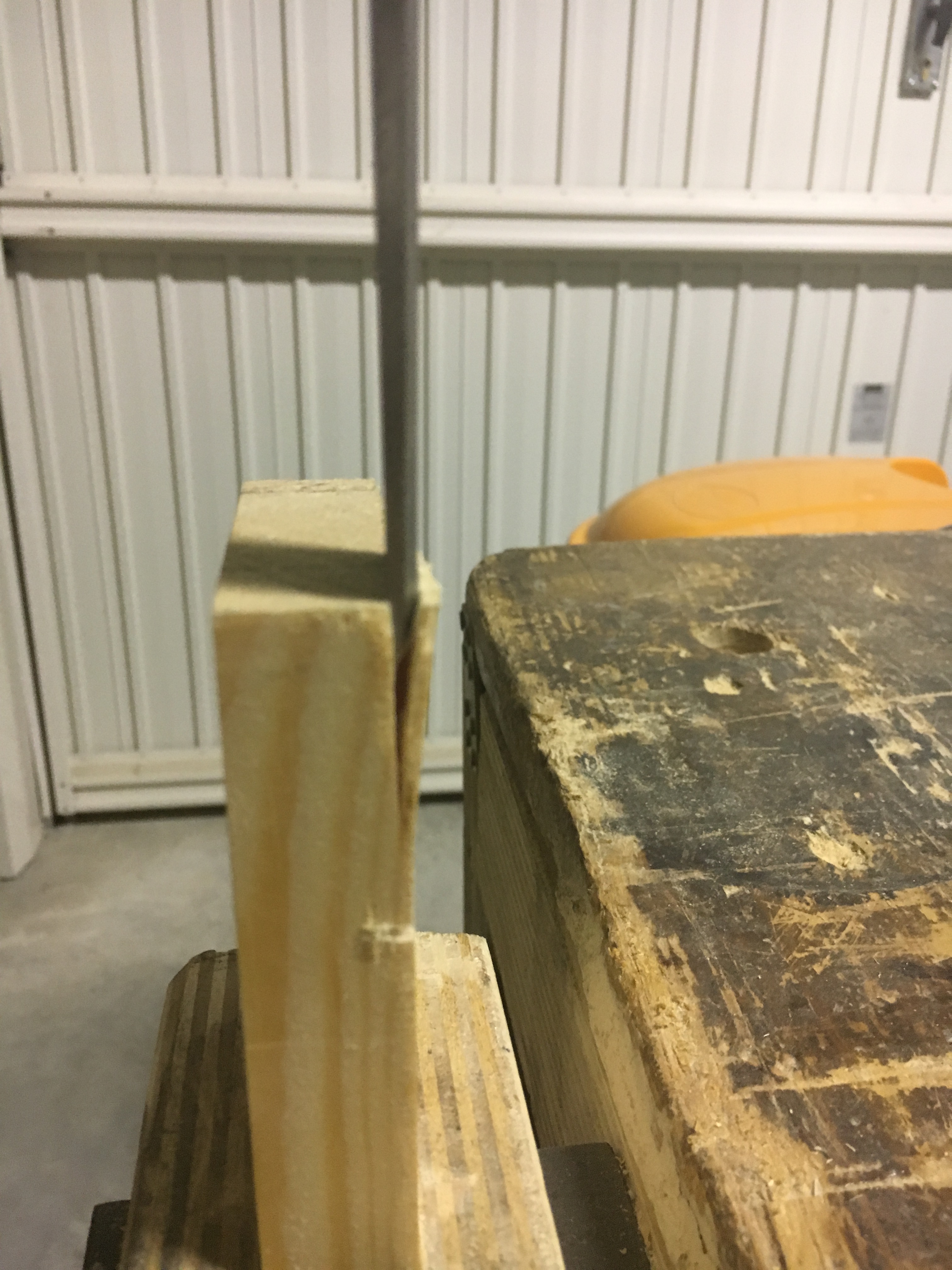
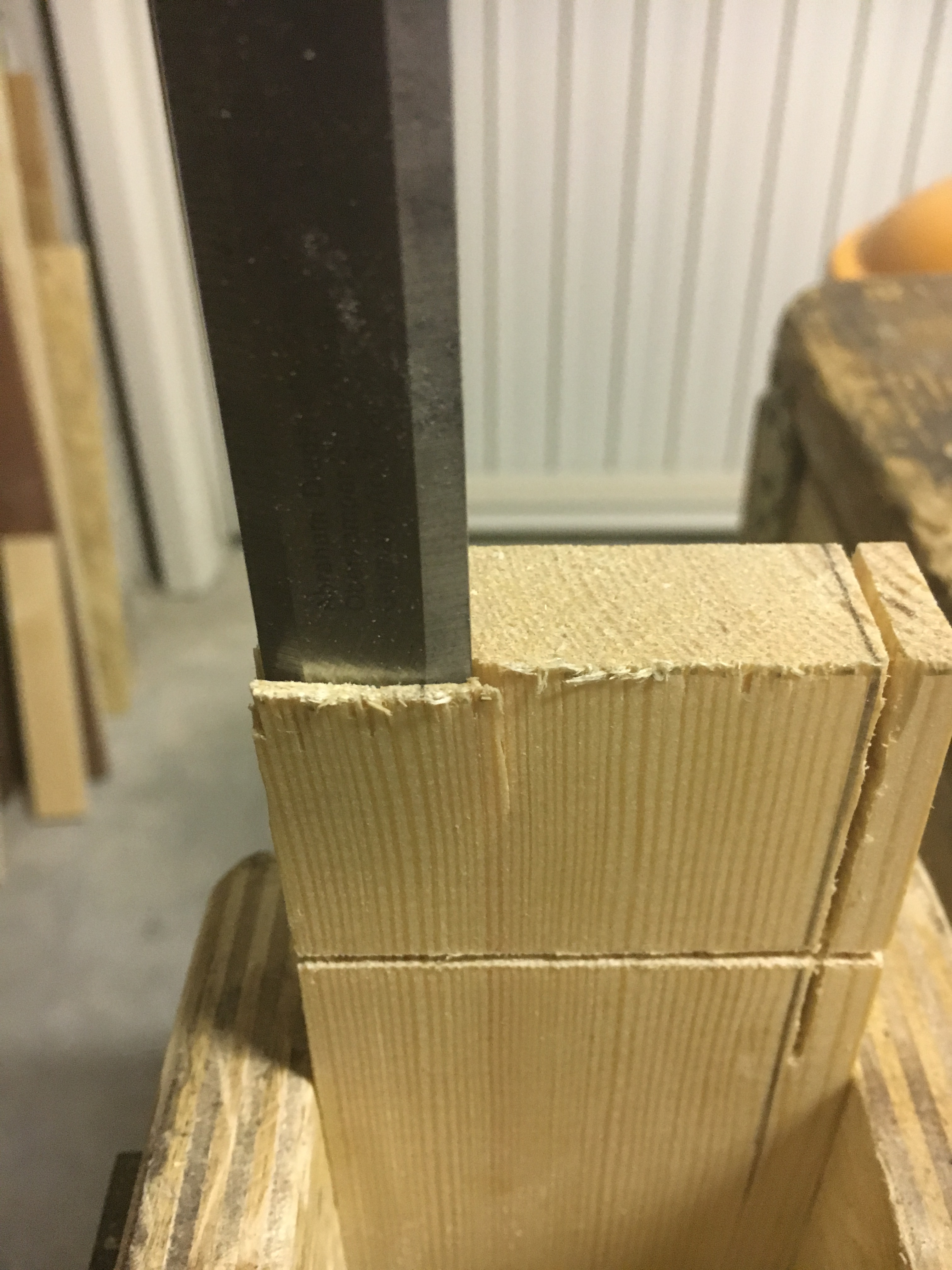
Per rimuovere materiale in fretta sfruttando il senso di venatura del legno lo scalpello può essere utilizzato in posizione perpendicolare alla direzione delle fibre. Questo tipo di lavorazione è utilizzato ad esempio per ricavare velocemente le guance dei tenoni.
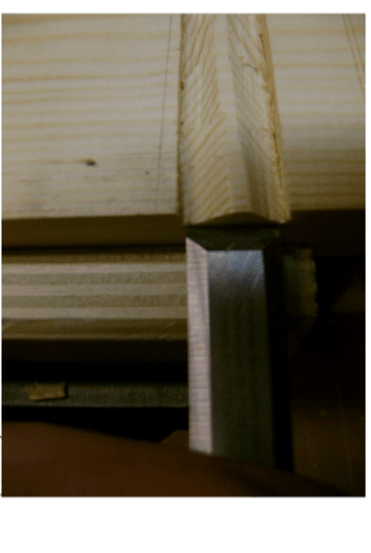
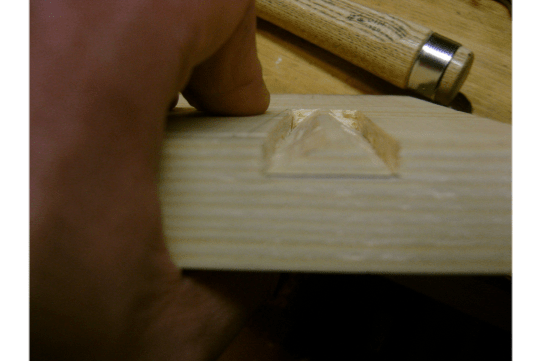
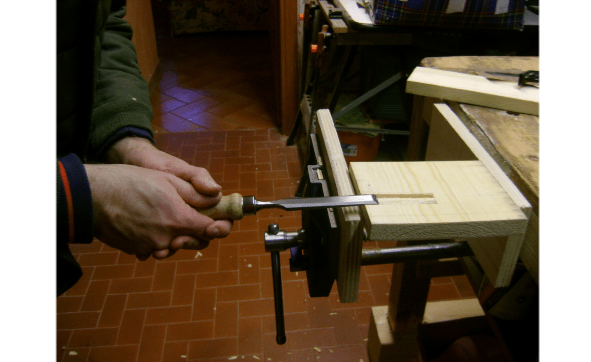
Per rimuovere del legno rimasto da una precedente lavorazione. In questo caso lo scalpello può essere impugnato a due mani e puntato leggermente in alto così da permettere la rimozione dell’eccesso senza strappi nel legno.Questa pratica è utilizzata ad esempio quando dobbiamo rimuovere materiale per creare una mortasa.
Per pulire gli incastri già effettuati, come ad esempio nel caso delle code di rondine, utilizzando lo scalpello a mano libera senza mazzuolo. In questo caso cercheremo di utilizzare le dita della mano libera ponendole direttamente sulla lama vicino al tagliente in modo da direzionare lo scalpello ed avere maggior controllo.
Per rimuovere tanto materiale da un pezzo in lavorazione. Nel caso di scavo di mortase si può utilizzare anche il bedano, comunque sempre con l’ausilio del mazzuolo, assolutamente indispensabile per questo tipo di lavori ed in generale quando e’ necessario scavare in profondità nel legno o per lavori gravosi.
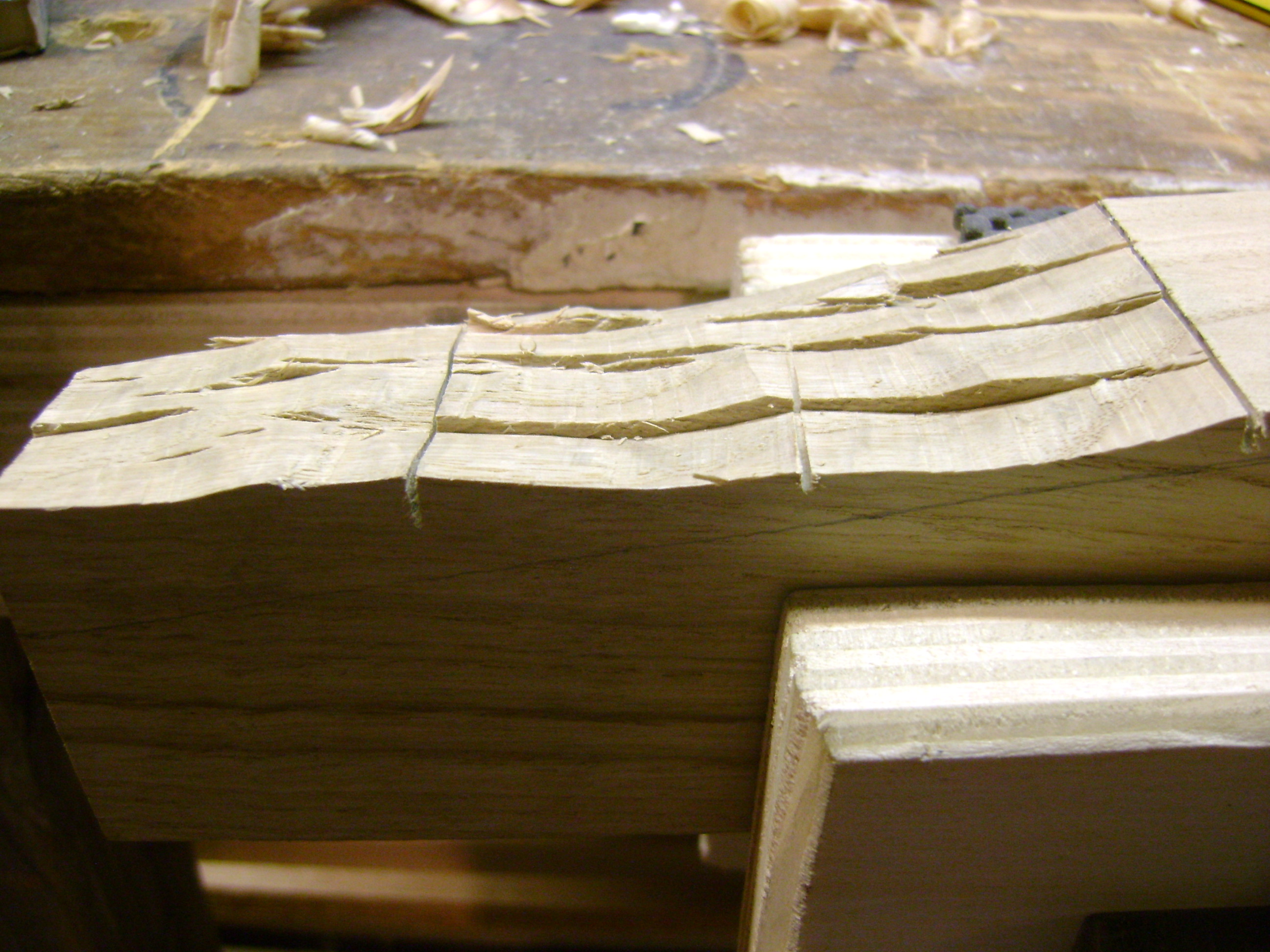
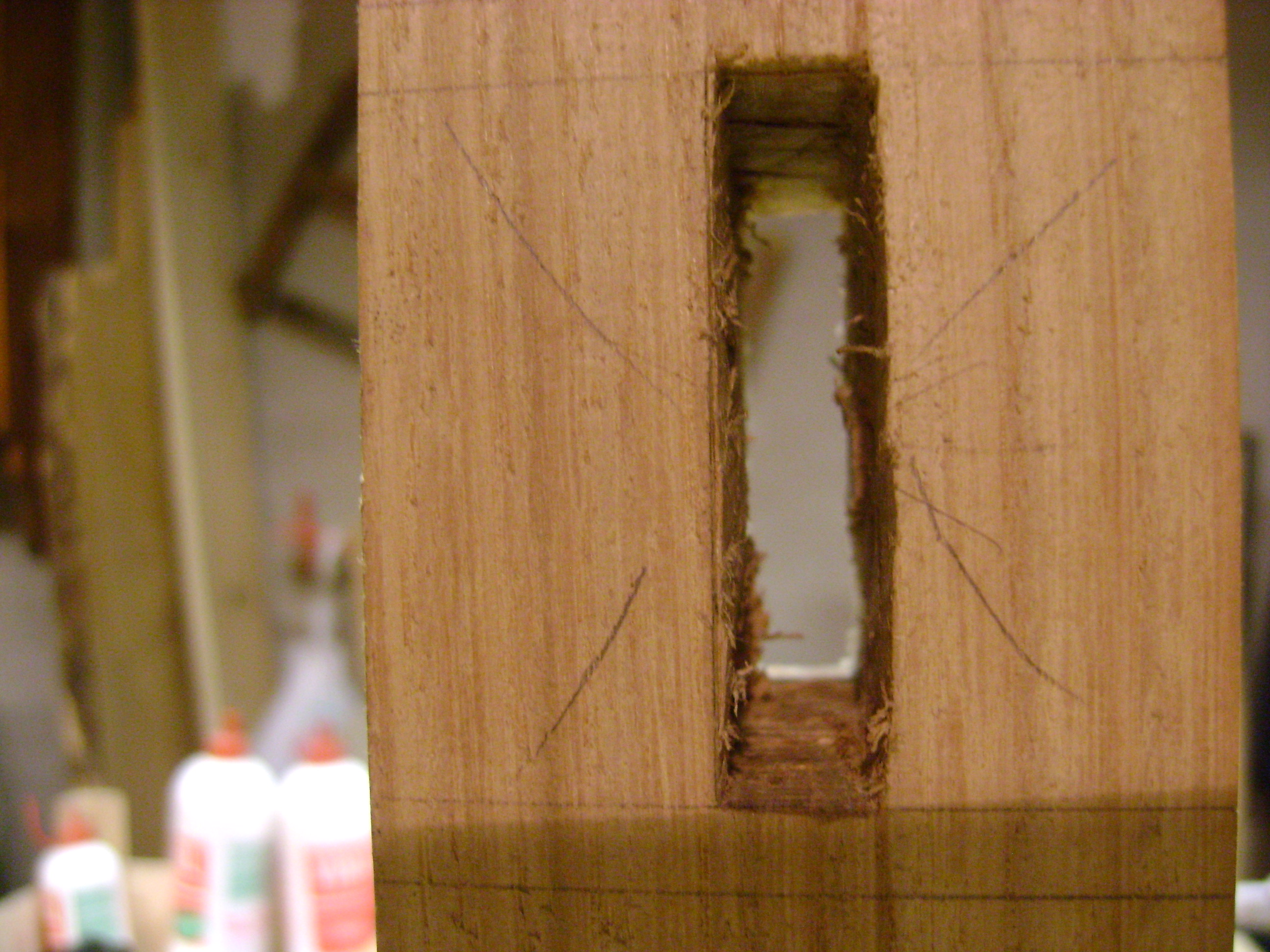
Di nuovo, come detto nel precedente post, vale la raccomandazione di non mettere mai le dita di fronte alla linea di azione del tagliente.
————————————-
Among many tools the chisel is the one I learned the most about reading the grain and knowledge of wood.
Usually the chisel is used together with the mallet, but often, depending on the work we have to make and the type of wood we have in our hands, it may be enough or even convenient to use the chisel without a mallet, relying on the pure strength of the palm and peel of the hand.
The chisel is kept with one hand and with the other we strike on the handle head with a mallet that can be made of wood or more or less hard rubber.
The chisel can be used perpendicular to the wood fiber or transversely to the wood. It can be kept straight or used inclined. You can use a free hand with the help of the palm of your hand or be beaten by a mallet. It can be used with only a part of the cutting edge, rather than all the long cutting edge, and so on.
If we are using free hand chisel it is important the very initial start of the cutting edge into the wood. It must be gradually and gently at first by establishing a contact on the wood with little pressure and by increasing the force by pushing or bumping the chisel handle head with the palm of the hand. You can easy the work by rocking the cutting edge in the wood. This will help your work.
In the handmade joinery, the chisel finds various applications, among which the most important are the chopping, the paring and the splitting of the wood fibers.
We will see clearly these and other possible works using a bevel edge chisel.
To deepen and define a trace made previously with the knife or the marking gauge, the chisel is used perpendicularly and gently tapped with a hammer. This is to prevent the chisel shifting the trace in the first stage by hitting too hard.
To create an imlay for a joinery, the chisel is kept at a certain degree and, if the kind of wood allow it, is used with just the hands. If you need to keep the chisel very inclined, it may be useful to make sure that the hand you are working with is resting on the wood so that you can work as stable and as accurate as possible.
To remove the material quickly, taking advantage of the direction of wood grain, the chisel can be used perpendicular to the direction of the fibers. This type of work is used, for example, to quickly get the cheeks of the tenons.
To remove wood from previous works. In this case, the chisel can be wrapped in two hands and pointed at the top so as to allow the removal of excess without tearing in the wood. This practice is used, for example, when we need to remove material to create a mortise.
To clean the joints that have already been made, such as in the case of dovetails, using the free-hand chisel. In this case we will try to use the fingers of the free hand by placing them directly on the blade near the cutting edge so as to guide the chisel and have more control.
To remove much material from one piece to work. In the case of chopping mortises, the mortise chisel can be used, however always with the aid of the mallet, absolutely needed for this kind of work and in general when it is necessary to chop deep in the wood or heavy work.
Again, as stated in the previous post, it is worth recommending that you never put your fingers in front of the cutting edge.

 CREAROBI
Lascia un commento